For years, health experts have encouraged people to eat at least five portions of fruits and vegetables every day. But new research suggests that the type of produce on your plate could matter just as much as the quantity. Scientists have found that many people may be missing out on key plant compounds linked to heart health, even when they believe they are following a healthy diet.
Highlights
- Researchers say specific fruits and vegetables contain higher levels of beneficial flavanols.
- Many people are not getting enough flavanols despite eating five portions of produce daily.
- Foods such as blueberries, blackberries, plums and green tea were found to be rich sources.
- Flavanols may help support healthy blood vessels and circulation.
- Experts say more research is needed to confirm their impact on preventing heart disease.
Main Story
The Nutrient Many People Are Missing
A new study has raised questions about whether simply hitting the recommended five servings of fruits and vegetables each day is enough to support optimal heart health.
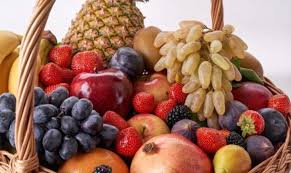
Researchers found that while many people consume the recommended amount of produce, they may still be falling short on flavanols naturally occurring compounds found in certain fruits, vegetables, teas and beans.
Flavanols are known for their antioxidant properties and have been linked to healthier blood vessels, improved circulation and reduced inflammation.
Why Food Choices Matter
The research, which analyzed dietary habits of approximately 30,000 people in the United States and the United Kingdom, found that fewer than one in five participants consumed what scientists consider an ideal daily amount of flavanols.
Using dietary records alongside biological markers found in urine samples, researchers were able to estimate how much of the compound participants were actually absorbing.
The findings suggest that not all fruits and vegetables offer the same nutritional advantages. While one person may be meeting their daily produce targets, they could still be missing nutrients that are abundant in specific foods.
According to the researchers, choosing flavanol-rich foods more frequently could significantly improve intake levels.
The Foods That Ranked Highest
Among the foods identified as strong sources of flavanols were plums, cranberries, blackberries, green tea, broad beans and cherries.
Apples, strawberries, blueberries and pinto beans also contributed meaningful amounts of the nutrient.
Researchers say incorporating a variety of these foods into a balanced diet may help increase flavanol consumption without major dietary changes.
Experts Urge Caution
Despite the promising findings, some health specialists say the evidence linking flavanols directly to reduced rates of heart attacks and strokes remains limited.
While previous studies have shown positive effects on blood pressure and blood vessel function, experts say larger long-term clinical trials are needed before flavanols can be promoted as a proven strategy for preventing cardiovascular disease.
Nutrition scientists also point out that flavanol levels can vary significantly depending on where foods are grown, how they are stored and processed, and even how an individual’s digestive system responds to them.
The Bigger Picture
Heart health organizations continue to recommend a balanced and varied diet as the most reliable approach to reducing cardiovascular risk.
Rather than focusing on a single nutrient, experts encourage people to eat a wide range of fruits, vegetables, whole grains, legumes and healthy fats while maintaining an active lifestyle.
The latest findings add to growing evidence that diversity in food choices may be just as important as meeting daily nutrition targets.
Sometimes better health isn’t about eating more food it’s about choosing the right foods more often.

