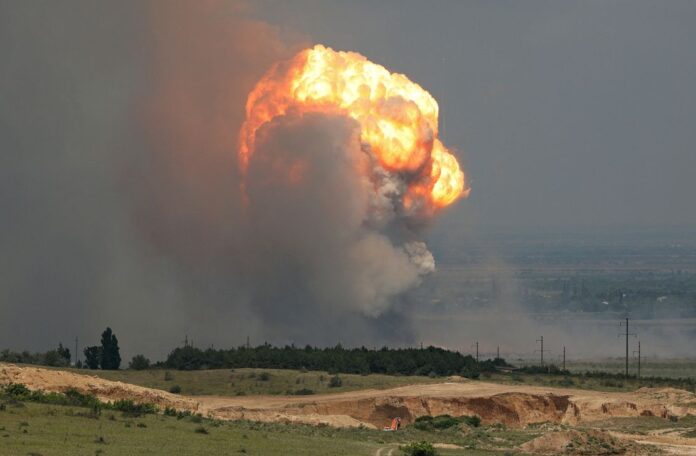
Explosions Rock Middle East as Iran Retaliates to US Strikes
The Middle East has been thrust into fresh uncertainty after Iran launched retaliatory missile attacks following airstrikes by the United States. Multiple explosions were reported across parts of the region, triggering airspace closures, heightened security alerts, and growing global concern over what comes next.
The developments, first reported by CNBC, mark one of the most serious escalations in recent years between Iran and the United States.
Highlights
– Iran launched missiles in response to U.S. airstrikes.
– Explosions were reported in several Middle Eastern locations.
– Regional airspace closures disrupted international travel.
– Oil prices and global markets reacted sharply.
– World leaders are urging restraint to prevent wider conflict.
## What Triggered the Escalation?
The crisis unfolded after coordinated strikes targeted Iranian-linked positions. In response, Tehran fired missiles toward areas hosting American assets in the region. Air defense systems were activated in several Gulf states as authorities warned residents to remain alert.
Countries with strategic military partnerships with Washington, including the UAE and others, heightened security as tensions spiked.
## Civilian and Regional Impact
Reports indicate that at least one casualty was recorded in Abu Dhabi following falling debris from intercepted missiles. Authorities across the region temporarily shut down sections of airspace, leading to flight cancellations and rerouted international travel.
Schools and offices in some affected areas adjusted operations as governments assessed the evolving security situation.
## Global Economic Shockwaves
Beyond the immediate military implications, the escalation has rattled global markets. Oil prices reacted quickly due to fears of supply disruptions in the energy-rich Gulf region. Investors shifted toward safer assets, reflecting concerns about prolonged instability.
For countries already grappling with inflation and rising living costs, further energy market volatility could deepen economic strain.
## Diplomatic Pressure Mounts
International leaders have called for calm, emphasizing the need to avoid a broader regional conflict. Analysts warn that prolonged retaliation could destabilize trade routes and financial markets, especially if tensions expand to include other regional actors.
While both sides have framed their actions as defensive, the coming days will be critical in determining whether diplomatic channels can cool the situation.
## The Bigger Picture
Geopolitical tensions in the Middle East rarely remain contained. With global supply chains already fragile and energy markets sensitive to disruption, the ripple effects of this escalation could extend far beyond the region.
For young professionals and businesses watching from afar, the key question is no longer just about security — it’s about how global economic stability may shift in the weeks ahead.

