
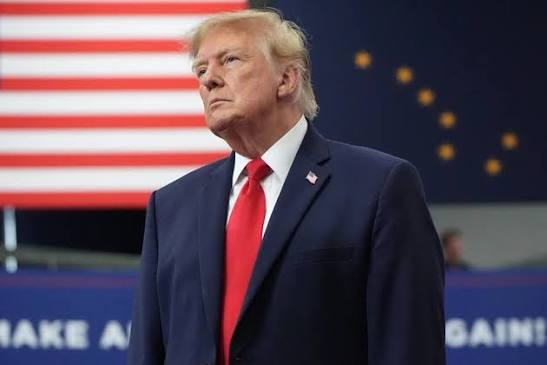
US President Donald Trump has put major new sanctions targeting Russia on hold just days before they were due to take effect, triggering fresh criticism from lawmakers and deepening tensions with Ukrainian President Volodymyr Zelensky. Trump says the decision serves America’s national interests, but Kyiv fears the move could weaken economic pressure on Moscow as Russia continues its war against Ukraine.
Highlights
- Trump has waived key provisions of a sanctions law passed by Congress and signed in September.
- The measures targeted Russian officials, financial institutions, energy exports and countries buying Russian oil and gas.
- Zelensky criticised the decision, warning that the sanctions could have helped pressure Russia to end the war.
- US lawmakers have accused Trump of undermining congressional efforts to hold Moscow accountable.
- The move follows a controversial Russian diesel deal and growing disagreements between Washington and Kyiv.
Main Story
Trump Puts New Russia Sanctions on Hold
President Donald Trump has suspended the implementation of a significant package of Russia-related sanctions, raising questions about Washington’s approach to the war in Ukraine.
The measures were approved by the US Congress and signed into law by Trump in September. However, an executive order issued on Friday, October 16, 2026, waived key provisions shortly before the sanctions were scheduled to take effect on October 18.
Trump justified the move by saying the suspension was in the national interest of the United States. The decision does not automatically remove all existing US sanctions against Russia, but it gives the administration greater flexibility over the new measures.
The legislation was designed to increase economic pressure on Moscow over its invasion of Ukraine, targeting Russian officials, banks and vessels allegedly used to bypass existing restrictions on energy exports.
It also authorised tariffs of up to 100 per cent on imports from major purchasers of Russian oil and gas, including countries such as China and India.
Zelensky Criticises Washington’s Decision
Ukrainian President Volodymyr Zelensky expressed disappointment over the suspension, arguing that the new restrictions could have placed significant pressure on Russia to bring the conflict to an end.
He has repeatedly maintained that limiting Moscow’s access to energy revenue and international financial networks is essential to weakening its ability to sustain the war.
Zelensky also pointed to continuing Russian attacks on Ukrainian energy infrastructure, warning that strikes on power facilities could leave communities facing electricity shortages as winter approaches.
The dispute comes amid increasingly strained relations between Trump and Zelensky, who have publicly disagreed over military assistance, energy policy and the best route towards ending the war.
US Lawmakers Accuse Trump of Weakening Pressure on Moscow
The suspension has triggered criticism from US lawmakers who argue that the administration is undermining legislation intended to restrict Russia’s ability to finance its military campaign.
Democratic Representative Don Beyer accused Trump of abandoning Ukraine’s interests and disregarding Congress’s intentions when it approved the sanctions package.
Russian presidential envoy Kirill Dmitriev, meanwhile, welcomed the decision, describing it as a significant moment for potential economic cooperation between Washington and Moscow.
The contrasting reactions highlight the political divide surrounding the administration’s approach to Russia, with supporters of engagement seeing potential economic benefits while critics warn that easing restrictions could reduce pressure on the Kremlin.
Russian Diesel Deal Adds to the Dispute
The latest decision follows Trump’s announcement of an arrangement to allow Russian diesel supplies into international markets in an effort to ease fuel prices.
The proposal has drawn criticism from Ukrainian officials, who argue that revenue from Russian energy exports could help Moscow sustain its war effort.
The issue is particularly sensitive for the Trump administration as rising energy costs put pressure on American consumers ahead of the November midterm elections.
The diesel arrangement has therefore become more than an energy policy issue, exposing wider disagreements over how Washington should balance domestic economic concerns with its support for Ukraine.
Fresh Attacks Raise Concerns Over Ukraine’s Energy Security
Meanwhile, Ukraine continues to face Russian attacks on its energy infrastructure and other targets.
Ukrainian authorities have reported civilian deaths and injuries in recent strikes, including attacks affecting the southern city of Kherson. Kyiv has warned that damage to power facilities could leave communities vulnerable to outages as colder weather approaches.
The latest developments add urgency to Ukraine’s calls for continued international support, even as diplomatic discussions with US officials remain ongoing.
The dispute over sanctions, energy supplies and military assistance now presents a major challenge for relations between Washington and Kyiv. Whether Trump’s decision creates room for negotiations or further weakens confidence between the allies remains uncertain.
As the war in Ukraine continues, Trump’s decision to ease some sanctions raises a difficult question for the international community: can economic negotiations bring the parties closer to peace without weakening the pressure intended to end the fighting?

