
The United Kingdom has threatened to block Eritrean nationals from entering the country if Eritrea fails to cooperate with the return of migrants who have no legal right to remain in Britain and foreign nationals convicted of crimes. Home Secretary Shabana Mahmood has also announced restrictions affecting Eritrean diplomats, escalating a dispute over deportations as thousands of Eritreans continue to arrive in the UK through small boat crossings.
Highlights
- The UK has threatened a wider entry ban on Eritreans if their government refuses to accept more deportees.
- Eritrean diplomats face travel restrictions outside London, alongside the suspension of fast-track visas for VIPs.
- Eritreans accounted for 18% of small boat arrivals in the year to June, according to figures cited in the report.
- Migration experts warn that many Eritrean asylum seekers cannot legally be returned because their claims for protection succeed.
- The UK government says more cooperation is needed to facilitate the return of people who have no right to remain in Britain.
Main Story
UK Introduces Restrictions on Eritrean Officials
The UK government is tightening its approach to Eritrea after accusing the East African nation of failing to cooperate with efforts to return citizens who have no legal right to remain in Britain, including foreign nationals convicted of offences.
Home Secretary Shabana Mahmood announced that Eritrean diplomats would face restrictions on their movements outside London from Thursday. Under the measures, diplomats will need official permission to travel more than 60 kilometres from the British capital.
The UK has also suspended fast-track visa arrangements for Eritrean VIPs, while Mahmood warned that a broader ban on Eritrean nationals entering Britain could follow if the government in Asmara does not change its position.
Mahmood said Eritrea had been given opportunities to accept the return of people who were not entitled to remain in the UK but had failed to cooperate. She added that the government was prepared to introduce further measures against countries that refused to work with British authorities on deportations.
The Home Office said the diplomatic travel restrictions mirror limitations placed on British officials operating in Eritrea’s capital, Asmara.
Eritreans Account for Significant Share of Small Boat Arrivals
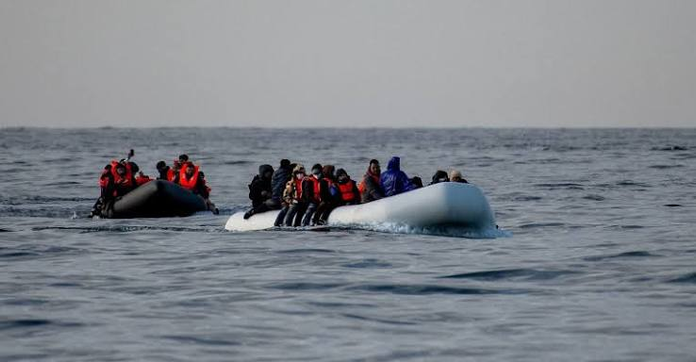
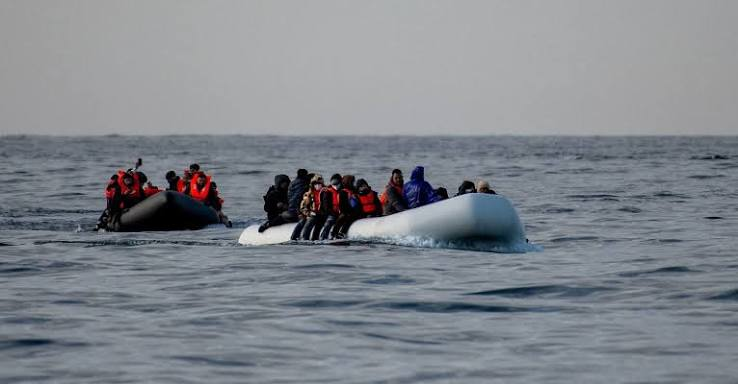
The dispute comes as Eritrean nationals account for a notable proportion of people crossing the English Channel in small boats.
Figures cited from the House of Commons Library show that Eritreans represented 18% of small boat arrivals in the 12 months to June.
During that period, more than 5,800 Eritreans reached the UK through the Channel route. Another 1,300 received visas, most commonly to join relatives who were already living in Britain.
However, the number of people returned directly to Eritrea remained low. Home Office figures show that only seven Eritrean nationals were sent back to the country during the same 12-month period, while another 244 were returned to other countries.
The UK government has accused Eritrean authorities of abruptly withdrawing their cooperation on returns earlier in the year. Eritrea’s embassy in London had been approached for comment, according to the original report.
Migration Expert Questions Effectiveness of Proposed Ban
Despite the government’s tougher position, migration specialists have questioned whether restricting Eritrean nationals would significantly reduce the number of people arriving in Britain or enable more deportations.
Dr Madeleine Sumption, director of the Migration Observatory at the University of Oxford, said Eritrea was among the major countries of origin for people seeking asylum in the UK.
She cited approximately 7,000 asylum applications from Eritreans in the latest year covered by the data, representing around 8% of all applications.
Sumption also highlighted the high rate at which Eritrean asylum claims succeed. According to the figures she discussed, approximately 84% of applications were approved at the initial decision stage, with further cases potentially succeeding on appeal.
This means many Eritreans who seek asylum may qualify for protection and therefore cannot lawfully be returned to their home country.
Although some applications are rejected, the number of people who can ultimately be deported may be lower than the initial refusal figures suggest, particularly when appeals are taken into account.
Why Many Eritreans Seek Protection Abroad
Eritrea has a long history of political restrictions and compulsory military service, factors that have contributed to people leaving the country.
The country has been governed under a one-party system since gaining independence from Ethiopia in 1993 and has not held a national election since independence.
Human rights concerns include restrictions on independent media, the detention of government critics and prolonged compulsory military service. Some Eritreans leave to escape conscription, which can extend for many years.
These circumstances are relevant to asylum decisions because applicants may qualify for international protection if they face persecution or other serious risks upon returning home.
Consequently, a policy intended to increase deportations must take account of individual asylum decisions and legal protections, rather than treating all Eritrean arrivals as a single category.
UK Has Previously Used Visa Restrictions to Pressure Governments
The latest measures follow earlier attempts by Britain to persuade other countries to accept more of their citizens who have been ordered to leave the UK.
The government previously threatened restrictions against Angola, Namibia and the Democratic Republic of Congo (DRC).
Restrictions affecting the DRC were later lifted after the Home Office said cooperation on returns had improved. Angola and Namibia agreed to changes before the threatened measures were implemented.
Sumption noted that the British government may be less willing to impose similar restrictions on countries with larger trade relationships or stronger links to its education and employment sectors.
She pointed to Pakistan and Bangladesh as examples of countries with significant numbers of people who have been refused asylum but not returned. However, she said a broad visa ban affecting those countries could also disrupt international student recruitment and work-related travel.
The comparison highlights the balancing act facing British authorities as they seek to enforce immigration decisions without causing wider diplomatic or economic consequences.
Small Boat Arrivals Decline as Deportations Increase
The UK government says its wider immigration enforcement efforts are continuing.
Home Office figures cited in the report show that more than 20,400 people had arrived in Britain by small boat since the beginning of the year, a decline of 40% compared with the same period last year.
Meanwhile, more than 40,600 returns and deportations were recorded between July 2025 and June 2026, an increase of 8% year on year. Fewer than 6,000 of those returned had been convicted of criminal offences.
The figures illustrate the distinction between people arriving irregularly, people seeking asylum and those who have been refused permission to remain. These groups overlap in some cases but are not legally interchangeable.
Whether the new restrictions will persuade Eritrea to resume cooperation remains uncertain. For now, the dispute places immigration enforcement, asylum protections and diplomatic relations at the centre of Britain’s efforts to manage migration.
As governments tighten immigration controls, the challenge remains finding a balance between enforcing the law, maintaining diplomatic relations and protecting people who have a legitimate claim to safety.

