
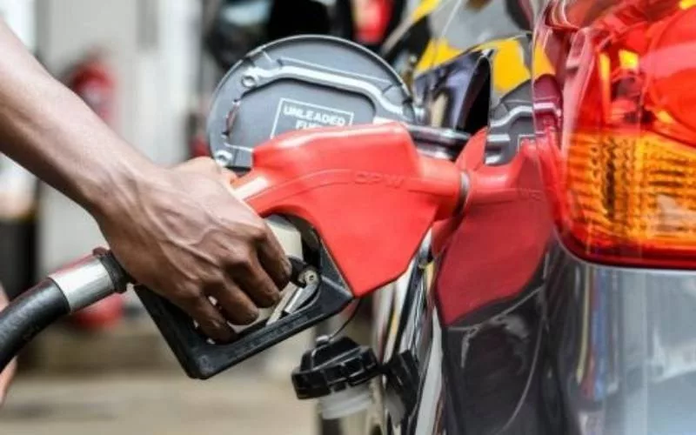
Kenyan households and businesses are bracing for another financial squeeze after the Energy and Petroleum Regulatory Authority (EPRA) announced significant increases in petrol, diesel and kerosene prices. The new rates, effective October 15, 2026, are expected to put additional pressure on transport fares, food prices and the cost of running businesses, raising fresh concerns about the affordability of everyday essentials.
Highlights
- Super petrol has increased by Sh12.93 per litre, while diesel is up by Sh9.90.
- Kerosene recorded the biggest jump, rising by Sh28.49 per litre.
- Nairobi’s maximum pump prices now stand at Sh226.96 for petrol, Sh227.76 for diesel and Sh219.85 for kerosene.
- EPRA has linked the increases to disruptions in global petroleum supply chains caused by escalating conflict in the Middle East.
- The new rates will remain in effect until November 14, 2026.
Main Story
EPRA Announces Fresh Fuel Price Increases
Kenyan motorists and households are facing higher fuel expenses following EPRA’s latest monthly pricing announcement, which has pushed the cost of all three major petroleum products upwards.
Under the revised schedule, a litre of super petrol has increased by Sh12.93, diesel by Sh9.90 and kerosene by Sh28.49.
In Nairobi, consumers will pay a maximum of Sh226.96 per litre for super petrol, Sh227.76 for diesel and Sh219.85 for kerosene.
The new prices take effect at midnight on October 15 and will apply through November 14, 2026. Rates in other towns will differ depending on transportation expenses and other components factored into the pricing formula.
Why Fuel Prices Have Gone Up
EPRA Director-General Edward Mwirigi Kinyua attributed the latest adjustments to escalating tensions in the Middle East, which have disrupted petroleum supply routes and increased the cost of importing fuel.
Kenya relies on imported refined petroleum products to meet its domestic demand, leaving the country exposed to changes in international oil markets and disruptions affecting global supply.
The regulator reviews pump prices monthly using the costs of imported petroleum products and other applicable components in determining the maximum retail rates.
Commuters and Businesses Brace for Higher Costs
The latest increases could have consequences well beyond petrol stations.
For motorists, higher petrol prices mean spending more on daily commutes and other journeys. Public transport operators may also face rising operating expenses, potentially putting pressure on matatu and other passenger transport fares.
Diesel is particularly important to Kenya’s economy because it powers trucks, buses and other vehicles responsible for moving people and goods across the country.
An increase in diesel prices can raise distribution costs for food, construction materials and other essential commodities. Businesses that depend on road transport may also have to contend with higher logistics expenses, with some costs potentially passed on to consumers.
Households that rely on kerosene for cooking and lighting are likely to feel the impact of the latest review especially strongly, given the product’s substantial price increase.
How the New Prices Compare With September
The latest announcement marks a sharp reversal from the previous pricing period, when EPRA maintained existing pump prices despite a reported decline in petrol import costs.
Between September 15 and October 14, Nairobi motorists paid maximum prices of Sh214.03 per litre for super petrol and Sh217.86 for diesel, while kerosene cost Sh191.36 according to the supplied pricing figures.
The latest petrol price represents an increase of Sh12.93, while diesel has risen by Sh9.90. Kerosene has experienced a much steeper adjustment of Sh28.49 per litre.
The previous decision to retain pump prices despite lower petrol import costs had already drawn attention to how international price movements translate into the amounts paid by consumers.
Fuel Price Volatility Has Persisted Throughout 2026
The latest increases follow several price adjustments earlier in the year, highlighting the uncertainty surrounding Kenya’s petroleum market.
In April 2026, Nairobi’s maximum petrol price rose to Sh206.97 per litre, while diesel reached Sh206.84.
By May, petrol had climbed to Sh214.25 per litre, while diesel was reported at Sh242.92. The diesel figure was substantially higher than the April rate, illustrating the significant fluctuations that have affected fuel prices this year.
These changes have kept fuel affordability firmly in the national conversation, particularly as households contend with rent, food, transport and other recurring expenses.
Cost-of-Living Concerns Return to the Forefront
Fuel is a major input across Kenya’s economy, meaning sustained price increases can influence the cost of producing, transporting and distributing goods and services.
Although the precise effect on inflation and consumer prices will depend on how businesses and transport operators respond, the latest review creates additional risks for households already managing tight budgets.
The new rates also raise questions about how Kenya can reduce its exposure to external energy-market shocks while keeping essential goods and services affordable.
For now, motorists, commuters, traders and households will have to adjust to the revised prices as the country enters another month of higher fuel costs.
As fuel prices climb once again, the question facing many Kenyan households is simple: how much more can people pay before the cost of everyday life becomes unsustainable?

