
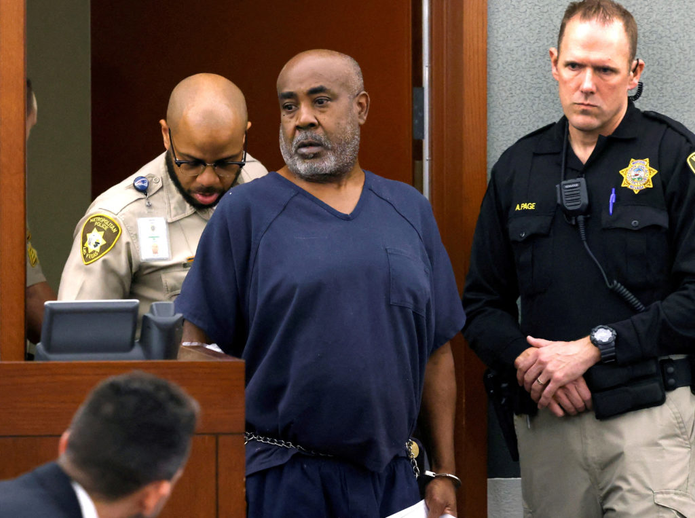
Nearly three decades after Tupac Shakur was fatally shot in Las Vegas, Duane “Keffe D” Davis has been sentenced to 40 years to life in prison for orchestrating the legendary rapper’s killing. The sentencing marks a major development in one of hip-hop’s most closely watched murder cases, which remained unresolved for years before Davis was arrested and charged.
Highlights
- Davis received a sentence of 40 years to life following his murder conviction.
- Prosecutors said he helped organise the attack and supplied the firearm used.
- Tupac’s sister, Sekyiwa Shakur, described the lasting pain the family has endured.
- Davis has said he intends to appeal the conviction.
- His memoir and public interviews became important parts of the prosecution’s case.
Main Story
Keffe D Sentenced in Long-Running Tupac Murder Case
Duane “Keffe D” Davis, a former gang leader aged 63, was sentenced in a Las Vegas court on Tuesday, October 13, 2026, after being convicted of first-degree murder in connection with Tupac Shakur’s death.
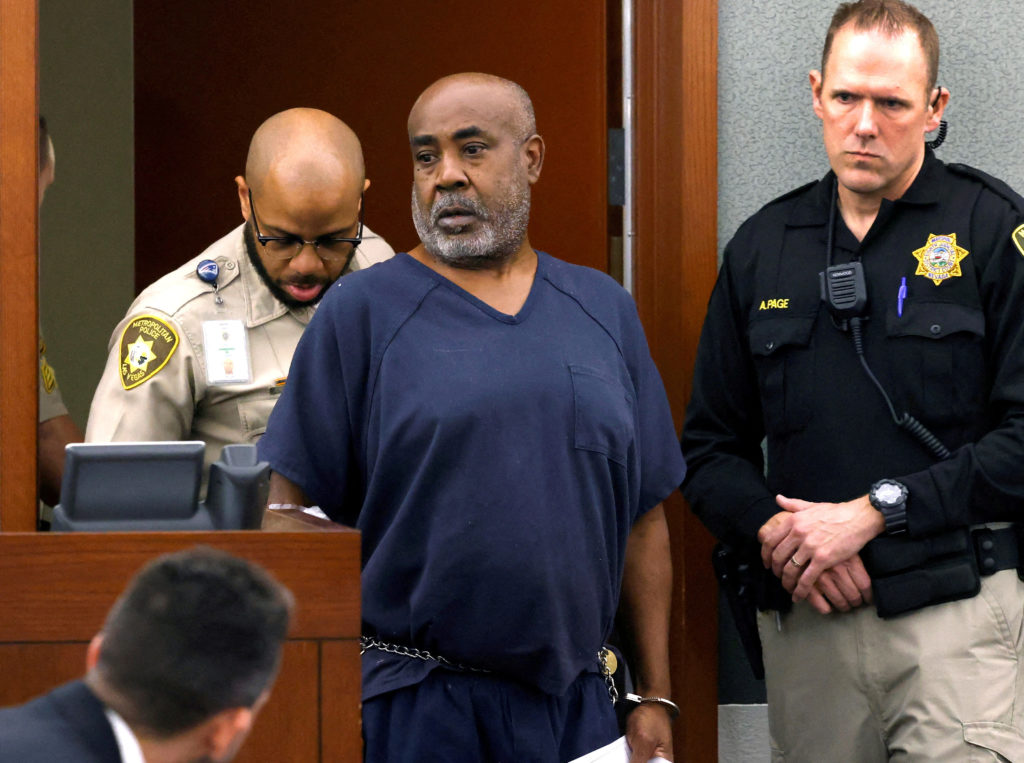
The court handed Davis consecutive sentences of 20 years to life for murder and an additional 20 years to life linked to the use of a deadly weapon, bringing the total term to 40 years to life.
Shakur was shot during a drive-by attack in Las Vegas on September 7, 1996. He died six days later at the age of 25, leaving behind a musical legacy that continues to influence hip-hop and popular culture.
Davis told the court he intended to challenge the conviction, making clear that an appeal would follow.
Prosecutors Say Attack Was Retaliation
During the trial, prosecutors argued that Davis played a leading role in organising the shooting, despite not being identified as the person who pulled the trigger.
According to the prosecution, the attack followed a confrontation earlier that evening involving Shakur’s entourage and Davis’ nephew, Orlando Anderson, at the MGM Grand after a Mike Tyson boxing match.
Prosecutors said Davis helped obtain the gun and passed it to associates in the vehicle from which the shots were fired. The identity of the person who fired the fatal shots has remained a distinct issue in the case.
His Own Public Statements Became Key Evidence
The investigation gained renewed momentum after Davis discussed his alleged involvement in interviews and in his 2019 memoir, Compton Street Legend.
Authorities also relied on a police interview from 2008 in which Davis spoke about the killing. Prosecutors argued that his later public disclosures affected the protections he believed he had under an earlier agreement, allowing the interview to be used as evidence.
The defence disputed the prosecution’s account, arguing that Davis’ statements were unreliable and that he had exaggerated his role. Nevertheless, the jury found him guilty, making the case a significant milestone in the decades-long investigation.
Tupac’s Family Speaks Out in Court
The sentencing hearing also brought the emotional impact of Shakur’s death back into focus.
His sister, Sekyiwa “Set” Shakur, told the court that losing her brother had deeply damaged the family. She spoke about the grief that had followed them for years and asked the judge to impose the harshest available punishment.
She also remembered Tupac as someone who wanted to make a difference in his community and believed he had much more to contribute to the world.
His brother, Maurice Shakur, also addressed the court and urged the judge to impose a lengthy sentence.
Judge Carli Kierny said Davis could not take away a person’s life and future without facing the consequences. She noted that Tupac’s death had continued to resonate with the public decades after the shooting.
For a family that has lived with the loss for almost 30 years, the sentence represents a major moment in a case that has remained part of hip-hop history
Tupac Shakur’s music continues to reach new generations, but the story of his death remains a reminder that the impact of violence extends far beyond the moment it happens.

