
Treasury Cabinet Secretary John Mbadi has pushed back against growing concerns over Kenya’s public debt, insisting that the government has taken deliberate measures to avoid defaulting on its obligations. Speaking in Kisumu, Mbadi also defended Treasury expenditure and challenged media reports that he said had presented the government’s debt-management measures inaccurately.
Highlights
- Mbadi says Kenya avoided default through liability management.
- Treasury restructured upcoming external debt obligations.
- He cited a $1.5 billion payment that was due in May 2027.
- Mbadi said Sh86 billion was used in managing Eurobond liabilities.
- He urged journalists to seek clarification from Treasury before publishing spending reports.
Main Story
Mbadi Rejects Debt Crisis Claims
Treasury CS John Mbadi has defended the government’s approach to managing Kenya’s public debt, dismissing claims that the country is on the verge of a debt crisis.
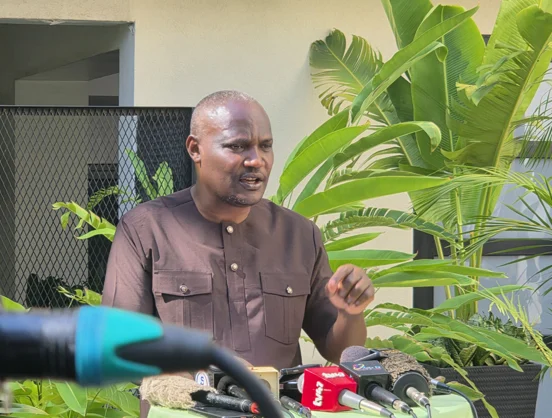
Speaking during a press briefing in Kisumu on Wednesday, August 16, 2026, Mbadi said the government had deliberately taken steps to manage upcoming debt obligations and prevent the country from falling into default.
According to the CS, Kenya had previously been considered at risk of default but managed to avoid such an outcome through what he described as liability management.
Mbadi argued that the situation was the result of financial planning rather than luck.
Managing Major External Debt Obligations
The Treasury CS pointed to upcoming external debt obligations as one of the areas where the government had moved to reduce pressure on the economy.
Among the obligations he cited was a $1.5 billion payment that was scheduled for May 2027.
Mbadi said waiting until the payment deadline approached without a clear strategy could have placed additional pressure on the Kenyan shilling.
He argued that proactive debt management helped the government address the obligation before it became a bigger economic challenge.
Sh86 Billion and Eurobond Management
Mbadi also addressed questions surrounding government expenditure under Article 223 of the Constitution.
He said some of the figures highlighted in reports were connected to the management of Kenya’s Eurobond liabilities.
According to the CS, Sh86 billion of the expenditure in question went towards managing Eurobond-related obligations.
Mbadi maintained that Treasury acted when market conditions created an opportunity to restructure the liabilities, saying that moving quickly was necessary to protect the country’s financial position.
Treasury Spending Under Scrutiny
The CS also disputed reports concerning billions of shillings allegedly spent on unclear security operations.
Mbadi explained that the expenditure referred to the leasing of government vehicles, including vehicles used by the police.
He said the responsibility for leasing such vehicles falls under the National Treasury, rather than representing unexplained spending on security operations.
Message to Journalists
Mbadi urged members of the media to seek clarification from Treasury officials before publishing reports about government expenditure.
He argued that contacting the ministry could help journalists establish what specific allocations were intended for and provide the public with more accurate information.
The CS maintained that Treasury’s decisions were aimed at managing Kenya’s financial obligations rather than pushing the country towards a debt crisis.
As Kenya navigates rising debt obligations and pressure on public finances, the bigger question remains: how sustainable is the country’s debt strategy in the long run?

