
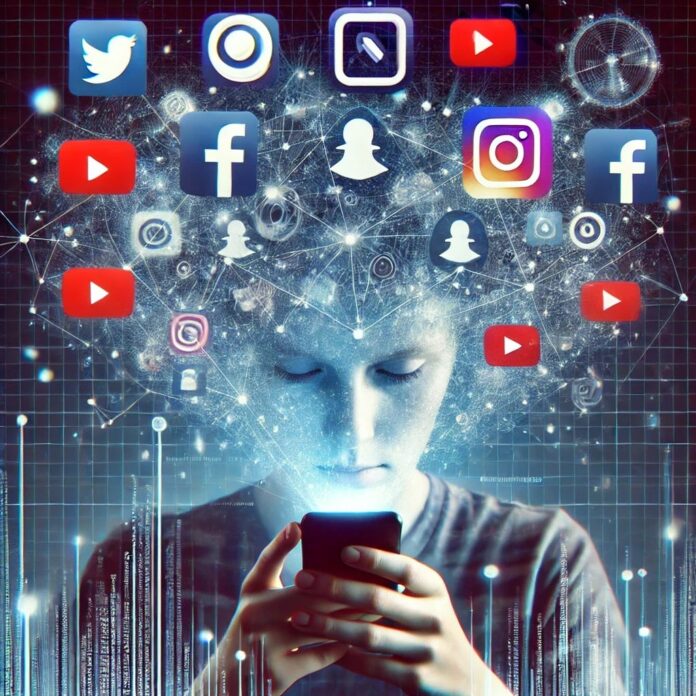
Ever wondered why your social media feed seems to know exactly what you want to watch, read or buy? Behind the endless scroll are algorithms constantly studying how you interact with content and using that information to decide what appears next. From the videos you watch to the posts you skip, your online behaviour can influence the digital world presented to you.
Highlights
- Social platforms track interactions such as likes, comments, shares and watch time.
- Algorithms rank content based on predicted user interest and engagement.
- Personalised feeds can create filter bubbles around existing interests.
- Emotional and controversial content can attract significant engagement.
- Algorithm-driven feeds can contribute to the spread of misinformation.
Main Story
Your Feed Is Carefully Curated
Social media may feel like an endless stream of random posts, but much of what appears on your screen is selected by computer systems designed to predict what will keep you interested.
Every time you like a post, watch a video to the end, leave a comment, share something or quickly scroll past it, you provide information about your interests.
Over time, these interactions help platforms build a picture of the type of content you are likely to engage with.
Why Some Posts Keep Appearing
Platforms such as YouTube, TikTok and Instagram use recommendation systems to rank content for individual users.
The goal is not simply to show everyone the same popular posts. Instead, the systems attempt to determine which content is most relevant to a particular person.
If you regularly watch football clips, for example, your feed may gradually become dominated by sports-related videos. Spend more time watching celebrity interviews, and the platform may respond by recommending more entertainment content.
The Engagement Factor
One of the most important signals for many recommendation systems is engagement.
Content that attracts likes, comments, shares or prolonged viewing can receive more attention from recommendation systems. This means posts capable of generating strong reactions can potentially gain greater visibility.
That can include entertaining and informative material, but also controversial or emotionally charged content.
When Personalisation Becomes a Filter Bubble
Personalisation can make social media more enjoyable, but it can also narrow what users encounter.
When a platform repeatedly recommends content that matches someone’s existing interests or beliefs, users may end up seeing fewer perspectives that challenge those views.
This is sometimes described as a filter bubble.
For young people who rely heavily on social media for entertainment, news and discussions about society, the effect can be significant. What appears to be a broad picture of public opinion may actually be a highly personalised selection created specifically for one user.
How Misinformation Can Spread
Algorithms can also influence how quickly misleading or false information travels online.
A sensational claim can attract attention, prompting people to comment, share or watch related content. As engagement grows, similar material may reach even more users.
When people repeatedly encounter claims that reinforce what they already believe, those claims can begin to feel more credible simply because they appear frequently.
This makes critical thinking and checking information from reliable sources increasingly important in the digital age.
The Algorithm Learns From You
The next time your feed seems strangely accurate, remember that it is responding to your behaviour.
Your scrolling patterns, viewing habits and interactions all help shape the content recommended to you.
The technology is designed to make the experience feel personal but understanding how it works can help you become more intentional about what you consume online.
Your feed may feel like a mirror of the world, but sometimes it is simply a reflection of what an algorithm thinks you want to see.
More on this topic: How Social Media Turns Unreleased Music Into Viral Hits. Official information: Social media on Wikipedia.

