
A temporary agreement aimed at ending months of conflict between the United States and Iran has officially come into effect, bringing renewed hopes for stability in the Middle East and global energy markets. The deal has already prompted a resumption of oil shipments through the strategic Strait of Hormuz and triggered a decline in global oil prices. However, major disagreements remain unresolved, and continued fighting involving Israel and Hezbollah has cast uncertainty over the long-term success of the agreement.
Highlights
- The United States and Iran have begun implementing an interim peace agreement.
- Oil tankers are once again moving through the Strait of Hormuz.
- Oil prices have fallen to their lowest levels since the conflict began.
- Negotiators have 60 days to reach a broader agreement on Iran’s nuclear programme.
- A $300 billion reconstruction fund forms part of the deal.
- Fighting between Israel and Hezbollah continues despite the agreement.
- Critics in Washington argue the US conceded too much to secure peace.
Main Story
Oil Trade Resumes as Deal Takes Effect
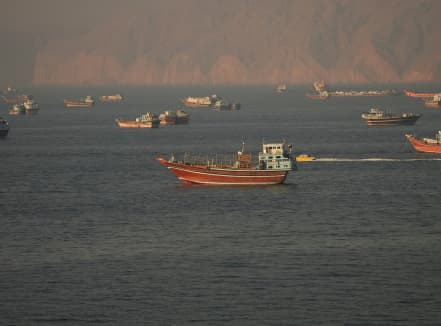
The first signs of easing tensions between Washington and Tehran emerged on Thursday as oil tankers resumed operations through the Strait of Hormuz, one of the world’s most important shipping routes.
The United States also confirmed it had lifted its naval blockade on Iran, allowing commercial activity to gradually return to normal.
The Strait of Hormuz is a critical artery for global energy supplies, carrying roughly one-fifth of the world’s oil exports. Any disruption to the waterway typically sends shockwaves through international markets.
With shipping resuming and fears of prolonged disruption easing, oil prices fell to their lowest levels since the conflict erupted on February 28, 2026.
Analysts believe the restoration of normal export flows could help stabilize energy markets in the coming months, although uncertainty remains over the broader political situation in the region.
At the heart of the agreement is a commitment by both sides to continue negotiations over Iran’s nuclear programme.
The deal provides a 60-day period during which diplomats will attempt to reach a long-term framework governing Tehran’s nuclear activities and regional security concerns.
As part of the agreement, a reconstruction package worth $300 billion has been established to support rebuilding efforts and economic recovery following months of conflict.
The United States is also expected to push for restrictions on Iran’s long-range missile capabilities, an issue Washington views as central to regional security.
US Vice President JD Vance, who will lead the American negotiating team, said future discussions would focus on achieving a more comprehensive and durable agreement.
Trump Faces Questions Over War Objectives
The deal has reignited debate in Washington over whether President Donald Trump achieved the goals he initially set out when launching the military campaign nearly four months ago.
At the start of the conflict, Trump said the operation aimed to dismantle Iran’s nuclear weapons programme, weaken its military capabilities, curb support for regional militant groups and create conditions for political change within Iran.
However, critics argue that many of those objectives remain unmet.
Some Republican lawmakers have questioned whether the administration made significant concessions in order to secure an end to a war that had become increasingly unpopular among American voters.
Supporters of the agreement, however, contend that avoiding a prolonged regional conflict and restoring stability to global energy markets represents a significant achievement.
Iran Signals Tough Negotiations Ahead
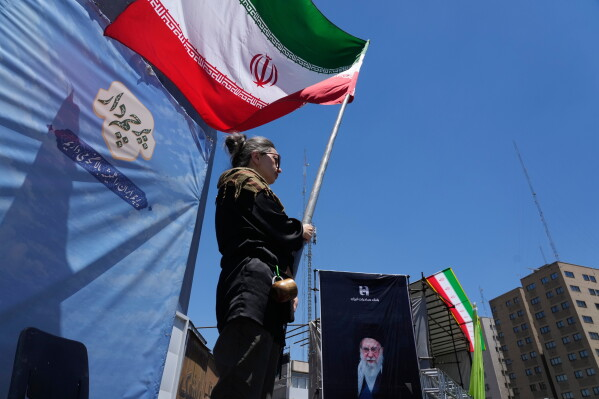
In Tehran, Iranian leaders welcomed the agreement but made it clear that difficult negotiations still lie ahead.
Iran’s Supreme Leader, Ayatollah Mojtaba Khamenei, claimed the United States entered the agreement from a position of weakness and warned that Tehran would reject any demands it considers excessive.
His remarks suggest that upcoming talks on nuclear activities and missile development are likely to be highly contentious.
Political analysts say both governments are under pressure to demonstrate strength to domestic audiences while simultaneously avoiding a return to open conflict.
Lebanon Conflict Clouds Peace Efforts
Despite progress between the United States and Iran, violence elsewhere in the region continues to threaten broader stability.
Israel maintained military operations against Hezbollah in Lebanon, raising concerns about whether the wider peace framework can hold.
Regional observers warn that any escalation involving Hezbollah could complicate negotiations and undermine efforts to reduce tensions across the Middle East.
US officials have urged all parties to support diplomatic efforts and avoid actions that could derail the fragile agreement.
President Trump has publicly called for a broader ceasefire across the region, while Vice President Vance has emphasized the importance of respecting the ongoing peace process.
The coming weeks are expected to be crucial as negotiators work against the clock to transform the interim arrangement into a lasting agreement.
Success could reshape regional politics, stabilize energy markets and reduce the risk of future conflict. Failure, however, could reignite tensions and place the region back on a path toward confrontation.
For now, the reopening of the Strait of Hormuz and the resumption of oil exports offer a temporary sign of relief, but the toughest diplomatic challenges may still lie ahead.
While the guns may have fallen silent between Washington and Tehran, the true test of peace will be whether diplomacy can succeed where months of conflict failed.

