
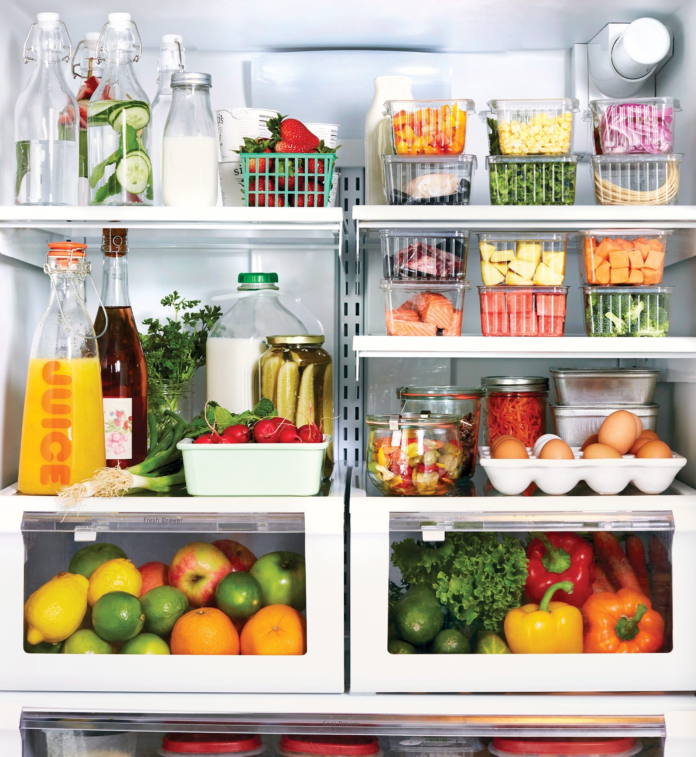
Have you ever opened your fridge only to find soggy vegetables, tasteless tomatoes or bananas turning black too quickly? While refrigeration helps keep many foods fresh and safe to eat, not everything belongs in the fridge. In fact, storing certain foods in cold temperatures can ruin their taste, texture and shelf life. Knowing what to refrigerate and what to leave on the counter can help reduce food waste, save money and keep your meals fresher for longer.
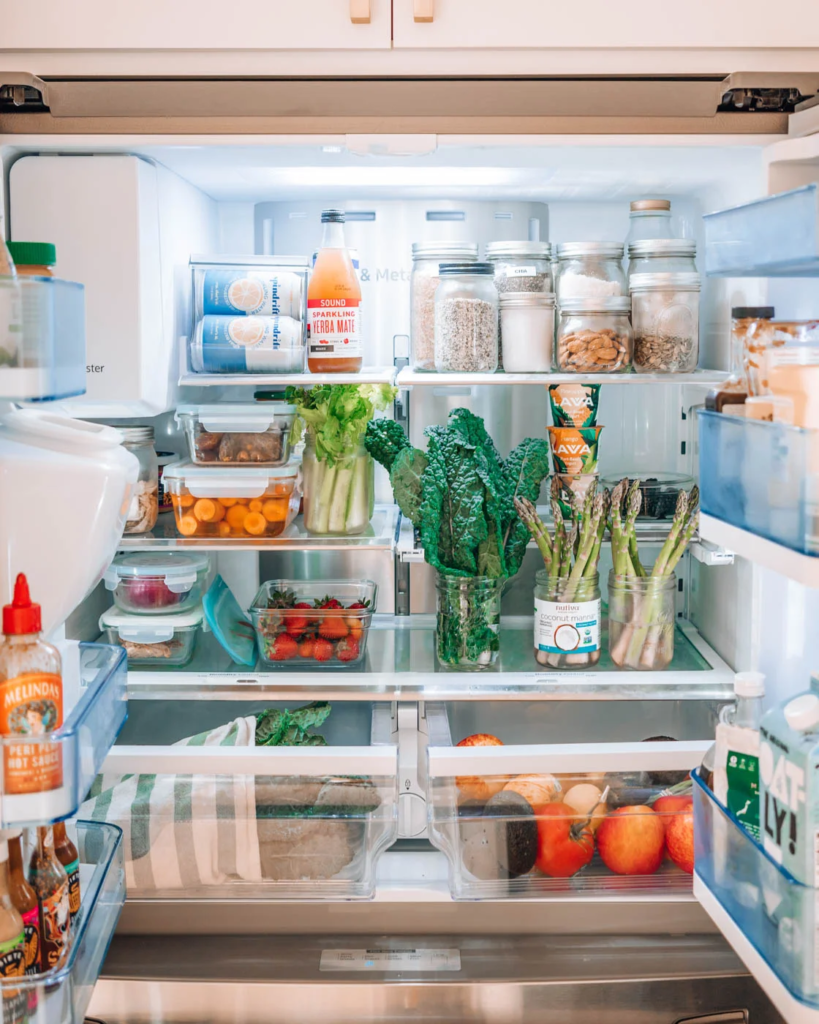
Highlights
- Not all foods stay fresh longer in the refrigerator.
- Dairy products, meat and leftovers should always be refrigerated.
- Potatoes, onions and garlic are best stored in a cool, dry place.
- Refrigerating some fruits can affect their flavor and texture.
- Proper food storage helps reduce waste and prevent spoilage.
Main Story
Foods That Belong in the Fridge
Certain foods require refrigeration to slow bacterial growth and maintain freshness.
Dairy Products
Milk, yogurt, cheese and other dairy products should always be stored in the refrigerator. These items spoil quickly when exposed to warm temperatures and can become unsafe to consume.
Meat, Poultry and Fish
Fresh meat, chicken and seafood should be refrigerated immediately after purchase. If they will not be used within a few days, freezing is the best option to extend their shelf life.
Cooked Food and Leftovers
Cooked meals, including rice, stews, soups and vegetables, should be refrigerated within two hours of preparation. Proper storage helps prevent the growth of harmful bacteria.
Fresh Produce That Lasts Longer in the Cold
Vegetables such as carrots, cabbage, broccoli, lettuce and spinach stay fresh longer when refrigerated. Fruits like berries, grapes and sliced melons also benefit from cooler temperatures.
Opened Condiments
Once opened, products such as mayonnaise, salad dressings and sauces should be kept in the fridge to maintain quality and safety.
Foods That Should Stay Out of the Fridge
Surprisingly, some everyday foods are better off at room temperature.
Potatoes
Cold temperatures convert potato starch into sugar, affecting both taste and texture. Store potatoes in a cool, dark and well-ventilated place instead.
Onions and Garlic
These kitchen staples stay fresher when kept in a dry area with good airflow. Refrigeration can cause them to soften and develop mold more quickly.
Tomatoes
Many people refrigerate tomatoes, but doing so can diminish their flavor and alter their texture. They are best stored on the kitchen counter until fully ripe.
Bananas
The cold environment of a refrigerator can darken banana peels and interfere with the ripening process. Keep them at room temperature for the best results.
Bread
Although refrigeration may seem like a good way to preserve bread, it actually causes it to become stale faster. Bread should be stored in a bread box or airtight container.
Common Food Storage Mistakes
One of the biggest mistakes people make is placing hot food directly into the fridge. Allow food to cool slightly before refrigeration to avoid raising the temperature inside the appliance.
Another common error is storing onions and potatoes together. Onions release gases that can cause potatoes to spoil more quickly.
Keeping fruits and vegetables in sealed containers without proper airflow can also speed up spoilage.
Tips for a Well-Organized Fridge
To keep food fresher for longer:
- Maintain your fridge temperature between 1°C and 4°C.
- Store raw meat on the lowest shelf to prevent drips from contaminating other foods.
- Label leftovers with dates.
- Avoid overloading the refrigerator, as proper air circulation is essential.
- Clean the fridge regularly to prevent odors and bacteria buildup.
A well-stocked fridge is useful, but knowing what not to put inside it can make all the difference when it comes to freshness, flavor and food safety.

