
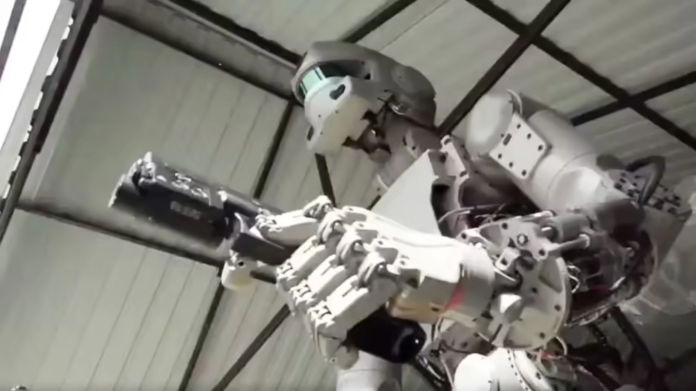
A new wave of robotics innovation is raising tough questions about the future of warfare after a San Francisco-based startup revealed it is building humanoid robots designed not just for factories or homes, but potentially for military combat. The company’s vision of AI-driven robot soldiers is already attracting government interest and serious ethical debate.
Highlights
- A US startup is developing humanoid robots for both civilian and defence use
- The robots are being tested for tasks ranging from logistics to combat support
- Early prototypes are still limited in mobility, power, and durability
- The technology is being explored under military pilot programmes in the US and Ukraine
- Experts are divided over whether weaponised humanoid robots are the future of war
Main Story
A Robot Built for More Than Industry
In a tech hub in San Francisco, a humanoid robot known as “Phantom” is being developed by Foundation Robotics, a young startup aiming to push robotics into both civilian and defence sectors.
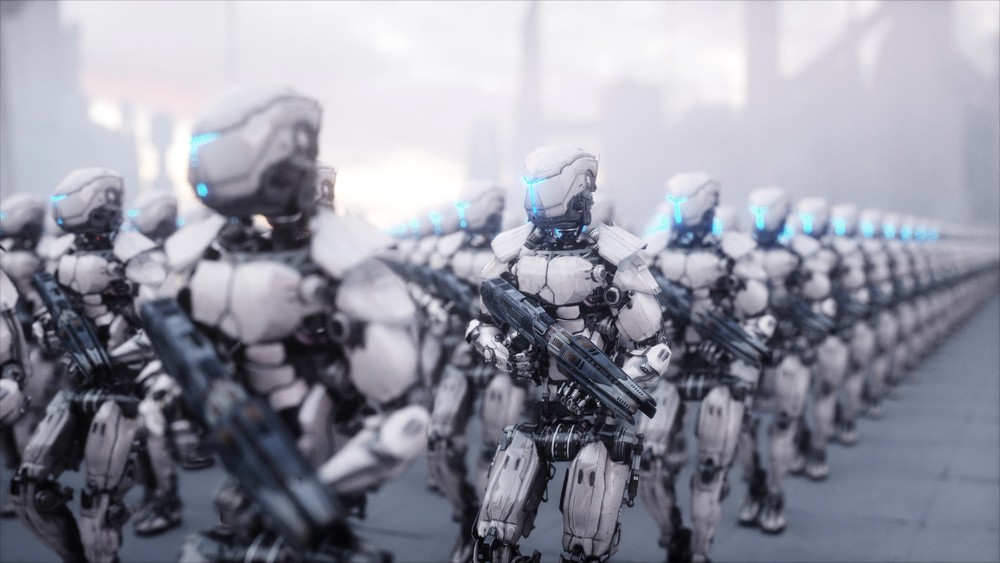
Unlike the sci-fi image of a fully armed machine soldier, the current version is far from battlefield-ready. The robot is still in early development, spending time interacting with objects like building blocks to help engineers gather training data on how it behaves in real environments.
Early Prototype, Big Ambitions
The current model is still limited it lacks full waterproofing, cannot recover if it falls, and struggles with basic physical strength and hand dexterity. However, the company is already working on a second-generation version expected to be more stable, more mobile, and capable of longer operation times.
Future upgrades are expected to improve balance, endurance, and movement precision, with long-term plans aiming for large-scale production at reduced costs.
Military Interest and Testing
Foundation Robotics says its systems are already being explored in military pilot programmes. Early trials reportedly focus on non-combat roles such as logistics, reconnaissance, and handling hazardous environments.
In some test environments, discussions around weaponisation are also taking place, though companies often stress that human oversight would remain central in any lethal decision-making process.
A Debate on the Future of War
Supporters of the technology argue that humanoid robots could reduce human casualties by taking on dangerous frontline roles, including entering high-risk zones and handling explosive threats.
Critics, however, warn that bringing humanoid robots into warfare could open a new and unpredictable chapter in global conflict, especially as AI systems become more autonomous.
Experts in robotics say interest from military institutions is growing, with multiple countries investing in systems that could eventually support or even replace certain battlefield roles traditionally carried out by humans.
The Bigger Question: Innovation or Risk?
Beyond the engineering challenge, the biggest debate centres on ethics and control. While developers insist humans will remain involved in critical decisions, concerns remain about how much autonomy such systems could eventually be given in real combat situations.
As development continues, the line between support tools and active combat machines is becoming increasingly blurred.
As machines get closer to the battlefield, one question lingers are we building tools to protect humanity, or redefining what conflict looks like altogether?

