
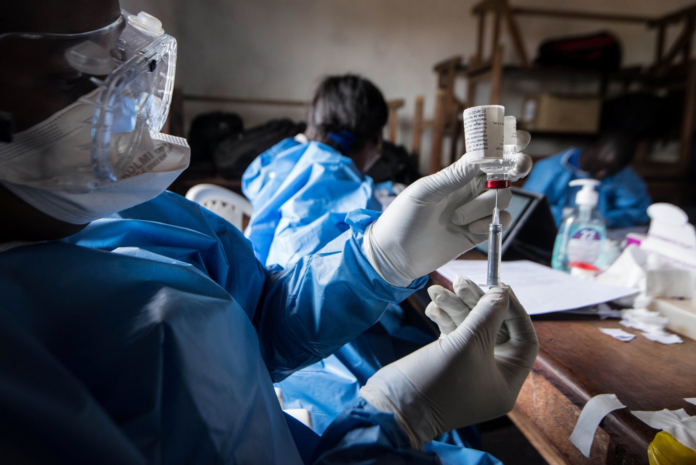
As Ebola outbreaks continue to pose serious public health threats in parts of Africa, healthcare workers remain at the forefront of the response. Armed with specialized protective equipment, strict safety procedures and improved treatment methods, medical teams are working tirelessly to save lives while reducing the risk of infection among staff and communities.
Highlights
- Early treatment significantly improves Ebola survival rates.
- Health workers use specialized protective gear when caring for patients.
- Isolation centres help prevent the virus from spreading.
- Strict hygiene and disinfection procedures are essential.
- New medical treatments have improved outcomes for some Ebola patients.
Main Story
Fighting a Deadly Virus on the Frontlines
Ebola is one of the world’s most dangerous infectious diseases, spreading through direct contact with the bodily fluids of infected individuals. Because of its high fatality rate, healthcare workers must follow rigorous safety protocols when treating patients.
Over the years, medical experts have developed more effective strategies to manage the disease, helping to improve survival rates and strengthen outbreak responses.
How Patients Receive Treatment
Although Ebola has no universal cure, prompt medical care can greatly increase a patient’s chances of recovery.
Doctors and nurses focus on keeping patients hydrated, replacing lost fluids and maintaining vital body functions. Treatment often includes managing symptoms such as fever, vomiting, diarrhoea and severe pain.
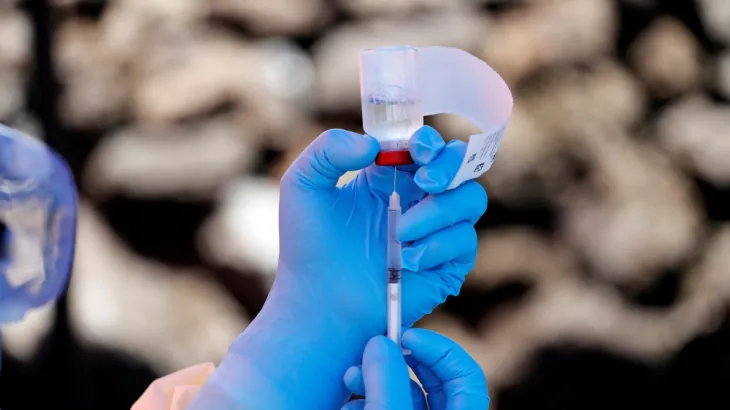
Patients may also receive nutritional support and treatment for additional illnesses that can complicate recovery. For certain Ebola strains, specially developed antibody therapies have shown promising results in reducing deaths.
Protective Gear Saves Lives
One of the most important tools in the fight against Ebola is personal protective equipment (PPE).
Healthcare workers wear protective suits, gloves, masks, face shields and boots to prevent direct contact with infectious materials. Every step of putting on and removing the equipment follows carefully monitored procedures to avoid accidental exposure.
Medical teams also undergo regular training to ensure they can safely work in high-risk environments.
Strict Infection Control Measures
Patients suspected of having Ebola are isolated in dedicated treatment facilities where access is tightly controlled.
Inside these centres, surfaces and equipment are disinfected regularly, while contaminated waste is handled using strict disposal procedures. Frequent handwashing and sanitisation remain essential practices for all healthcare personnel.
These measures help stop the virus from spreading within hospitals and surrounding communities.
Early Detection Remains Critical
Health experts say rapid identification of Ebola cases remains one of the most effective ways to contain outbreaks.
When infections are detected early, patients can receive treatment sooner while health authorities begin contact tracing efforts to identify anyone who may have been exposed.
This approach helps break chains of transmission and protects both healthcare workers and the public.
As outbreaks continue to emerge from time to time, the dedication of frontline medical teams remains crucial in preventing the virus from causing widespread devastation.
Every Ebola outbreak is a reminder that behind every recovery story are healthcare workers risking their lives to protect others.

