
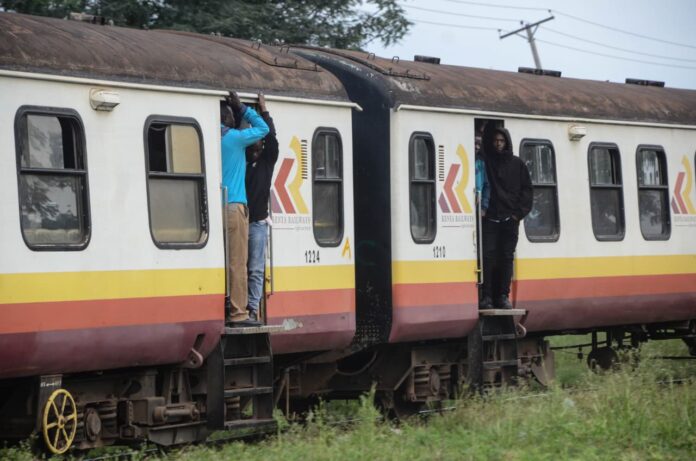
A nationwide matatu strike brought transport in Kenya’s major towns and cities to a near standstill, forcing thousands of commuters to rely on commuter trains or walk long distances. The disruption left many stranded, delayed, or unable to reach work and school as fuel price concerns continue to shake the transport sector.
Highlights
- Nationwide matatu strike disrupted transport across Kenya.
- Nairobi commuters turned to trains as matatus stayed off the roads.
- Many residents walked several kilometres to reach their destinations.
- Transport fares surged in some areas due to limited alternatives.
- The strike has reignited debate on Kenya’s public transport system.
Main Story
Transport Gridlock Across Major Cities
Kenya experienced widespread transport disruption as matatu operators went on strike, grounding most public service vehicles across key routes.
The action, driven by rising fuel prices and increasing operational costs, left commuters with limited options for getting to work, school, and other essential destinations.
In many towns, the absence of matatus created an immediate transport gap that quickly overwhelmed available alternatives.
Nairobi Commuters Turn to Rail and Walking
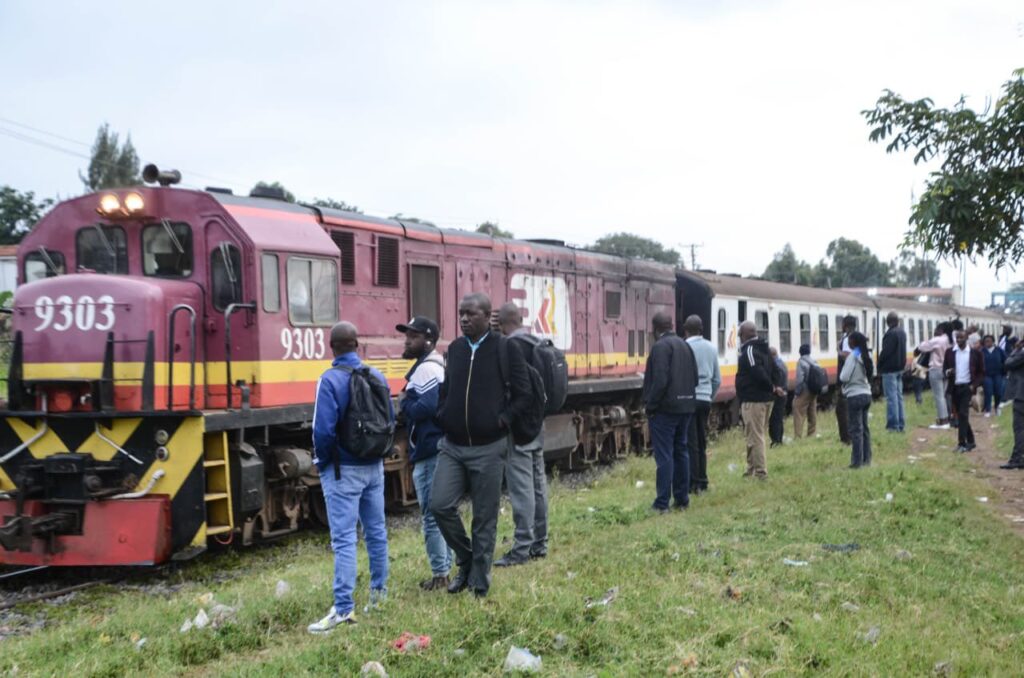
In the capital, Nairobi, thousands of residents flocked to commuter train stations in search of transport.
Long queues formed early in the morning as passengers attempted to secure space on the limited rail services, which quickly became overcrowded.
Along major highways including Thika Road, Jogoo Road, and Waiyaki Way, groups of commuters were seen walking long distances toward the city centre after failing to find affordable transport.
Many said they left home before sunrise hoping to beat the rush, only to end up trekking for kilometres due to the shortage of vehicles.
Fare Hikes and Stranded Passengers
With matatus off the roads, boda boda riders and private vehicles filled some of the gap—but at significantly higher fares.
Commuters reported sharp increases in transport costs, making it difficult for low-income earners to afford daily travel.
Some residents were forced to remain at home or miss important commitments, while others resorted to carpooling or hitching rides on lorries and private cars.
Businesses in urban centres also reported reduced attendance as employees arrived late or stayed away entirely due to transport challenges.
Operators Demand Fuel Price Action
Matatu operators say the strike will continue until the government addresses rising fuel prices, particularly diesel, which they argue has made operations unsustainable.
Despite ongoing discussions with authorities, no agreement has been reached, leaving commuters uncertain about when normal transport services will resume.
The standoff has intensified pressure on policymakers as fuel prices continue to drive up the cost of living.
Debate on Urban Transport System
The disruption has reignited public debate on Kenya’s heavy reliance on informal transport systems.
Many observers argue that the crisis highlights the urgent need for more reliable and affordable mass transit solutions in urban areas, including expanded rail and structured bus systems.
Read Also
- MP Dawood Speaks After Being Targeted During Meru Fuel Protests
- Police Arrest 710 Protesters in Nationwide Fuel Price Demonstrations
- Poverty Pushes Afghan Parents to Sell Children to Survive

