
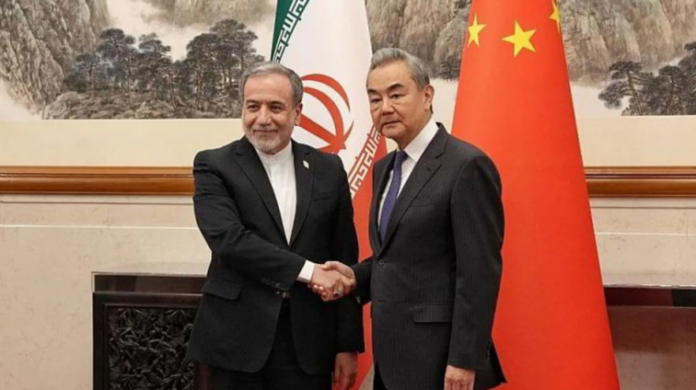
Tensions around one of the world’s most vital oil routes could soon ease as China steps in with a strong message to Iran: reopen the Strait of Hormuz without delay. With global markets feeling the pressure and diplomatic talks gaining momentum, the push signals a possible turning point in a conflict that has shaken energy supply chains worldwide.
Highlights
- China is urging Iran to allow safe passage through the Strait of Hormuz immediately
- The waterway’s closure has disrupted global oil supply and increased price instability
- Ongoing US-Iran talks could lead to a ceasefire and gradual reopening
- Diplomatic efforts are intensifying, with China positioning itself as a mediator
Main Story
China Steps Up Pressure
China has taken a firm diplomatic stance, calling on Iran to reopen the Strait of Hormuz as soon as possible. During high-level discussions in Beijing, Chinese Foreign Minister Wang Yi emphasized the importance of restoring safe navigation through the strategic waterway.
Beyond reopening the route, China also encouraged Iran to support a ceasefire and remain engaged in negotiations, signaling concerns over further escalation and its global consequences.
Why the Strait Matters
The Strait of Hormuz plays a critical role in global trade, acting as a major channel for oil shipments. Since the conflict escalated earlier this year, restrictions imposed by Iran have left multiple vessels stranded and caused sharp fluctuations in oil prices.
This disruption has not only affected major economies but also triggered concerns about long-term energy security, especially for countries heavily dependent on imported fuel.
Signs of Progress in Talks
Amid the tension, there are growing signs of diplomatic progress. The United States and Iran are reportedly moving closer to a broader agreement that could bring an end to hostilities.
The proposed deal is expected to outline a phased reopening of the strait, alongside measures to ease sanctions and address nuclear concerns. If successful, it could mark a significant step toward restoring stability in the region.
A Shift Toward Diplomacy
In a notable move, the US has paused a planned naval operation aimed at reopening the strait, opting instead to give negotiations a chance. This shift highlights the increasing preference for diplomatic solutions over military action.
China, working alongside regional partners like Pakistan, is positioning itself as a key player in mediating the crisis. Its involvement underscores a broader push for stability, particularly to safeguard international trade routes.
Read Also
- Just 20 Minutes in Nature Could Transform Your Health in Ways You Didn’t Expect
- MPs Sound Alarm Over Shocking Prison Conditions in Kakamega
- South Korean Judge Found Dead After Controversial Ruling in Ex-First Lady Case

