
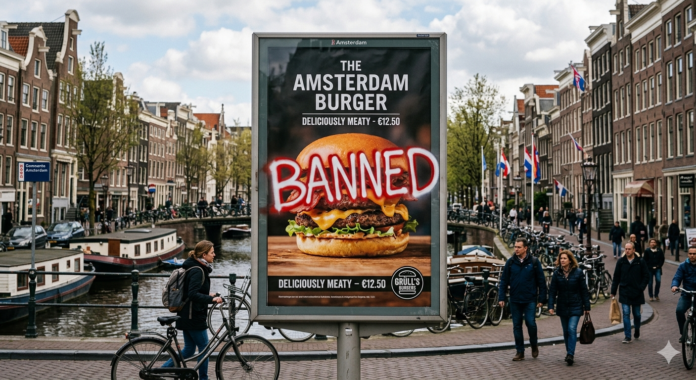
Amsterdam is making headlines with a groundbreaking decision to ban public advertising for meat products and fossil fuels. The move positions the city as one of the first in the world to directly target high-carbon industries through advertising restrictions, sparking global debate on climate responsibility.
Highlights:
- Amsterdam has banned public adverts promoting meat and fossil fuels
- The policy targets high-carbon industries contributing to climate change
- Ads in public spaces like buses, billboards, and stations will be affected
- The move is part of broader efforts to reduce environmental impact
- The decision is already sparking global conversations on sustainability
Main Story:
A Bold Step Toward Climate Responsibility
The city of Amsterdam has taken a firm stance in the fight against climate change by introducing a ban on public advertisements promoting meat products and fossil fuels.
The policy aims to reduce the visibility and influence of industries that contribute significantly to carbon emissions, aligning with the city’s wider environmental goals.
What the Ban Covers
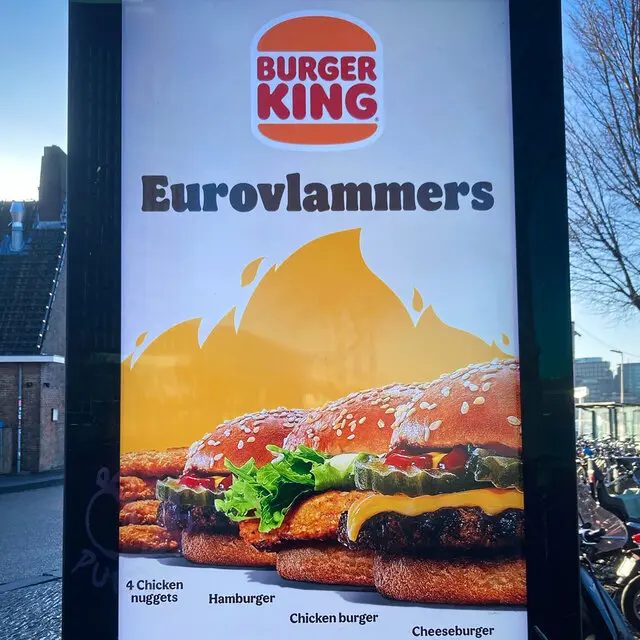
The restrictions will apply to advertising spaces managed by the city, including billboards, public transport networks, and other high-traffic public areas. This means companies promoting petrol, diesel, airline travel linked to fossil fuels, and even certain meat products will no longer be able to advertise in these locations.
Officials argue that such promotions encourage consumption patterns that conflict with climate targets.
Why Meat and Fossil Fuels?
Both meat production, particularly beef, and fossil fuel use are known to have a significant environmental footprint. By limiting their promotion, Amsterdam hopes to encourage more sustainable consumer choices and reduce demand over time.
The move reflects a growing global trend where governments are not only regulating industries but also addressing how they are marketed to the public.
Mixed Reactions
While environmental groups have welcomed the decision as a necessary and forward-thinking step, critics argue that it raises concerns about fairness and freedom of advertising.
Some industry players believe the ban could set a precedent that affects other sectors in the future.
A Growing Global Trend
Amsterdam’s decision could influence other cities to consider similar measures as climate concerns intensify worldwide. As governments explore new ways to meet environmental targets, regulating advertising is emerging as a powerful, and controversial, tool.
As cities rethink their role in shaping habits, Amsterdam’s move raises a big question, should advertising be part of the climate solution?
Read Also:
- 61 Years of Labour Day: Why the Celebration Still Matters Today
- Shift to Implants Sparks Concern as Condom Uptake Declines in Kenya

