
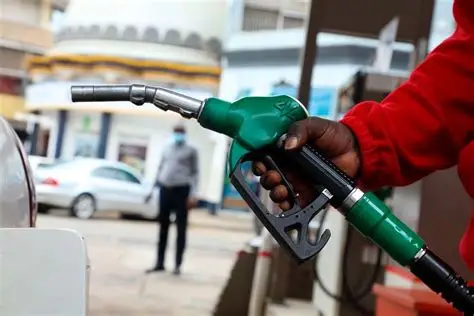
Kenyan households are facing renewed cost-of-living pressure after inflation rose to 5.6 percent in April, with higher fuel and transport costs driving up everyday expenses. The increase has raised concerns over whether recent government interventions are enough to shield consumers from mounting economic strain.
Highlights
- Kenya’s inflation rose to 5.6 percent in April.
- Fuel and transport costs were key drivers behind the increase.
- Tax relief measures have offered limited relief amid global oil pressures.
- Business groups are calling for broader reforms beyond short-term fixes.
- Rising inflation is expected to keep pressure on household budgets.
Main Story
Fuel Costs Push Up Inflation
The cost of living has edged higher after new data showed inflation rose in April, largely fueled by increases linked to energy and transport.
Higher pump prices have continued to ripple through the economy, affecting transport fares, food distribution costs and household spending. For many consumers, the impact is being felt not only at fuel stations but also in the prices of everyday essentials.
The rise comes despite recent tax adjustments meant to ease pressure on consumers, with analysts saying external oil market shocks and domestic pricing effects have diluted some of the expected relief.
Tax Cuts Offer Limited Relief
While authorities moved to cushion households through reductions in fuel-related taxes, economists argue those measures have only provided short-term breathing room.
Many businesses have maintained that deeper structural tax reforms are needed, warning that piecemeal interventions may not be enough to tame persistent inflationary pressure.
The latest figures have also renewed debate over how sustainable current measures are, especially as global energy volatility continues to influence local prices.
Pressure on Households and Businesses
For households already managing high food, transport and utility costs, the inflation increase adds another layer of strain.
There is growing concern the trend could weigh further on consumer spending while raising operating costs for businesses, particularly those reliant on transport and logistics.
Attention is now turning to whether policymakers will introduce additional interventions in the coming months to contain inflation and protect purchasing power.
Read Also
- Buffalo Attack in Isiolo Leaves 23-Year-Old Herder Dead
- Two Nigerians killed in fresh xenophobic attacks in South Africa
- Man admits plotting attack on Taylor Swift concert in Vienna

