
If you’ve ever looked into weight loss, you’ve probably heard the term “calorie deficit.” It’s often called the foundation of fat loss, but what does it really mean, and how does it work in real life? Let’s break it down in a simple, practical way.
Highlights:
- A calorie deficit means consuming fewer calories than you burn
- It’s essential for weight and fat loss
- Can be achieved through diet, exercise, or both
- Consistency matters more than extreme restriction
- Balance is key for sustainable results
Main Story:
What Is a Calorie Deficit?
A calorie deficit happens when your body uses more energy (calories) than you take in from food and drinks. Since your body still needs energy to function, it starts using stored fat as fuel, which leads to weight loss over time.
How the Body Uses Calories
Your body burns calories just to keep you alive, breathing, thinking, and maintaining body temperature. This is known as your baseline energy use.
On top of that, physical activity like walking, working out, or even standing increases how many calories you burn daily.
How to Create a Calorie Deficit
There are two main ways to create a deficit:
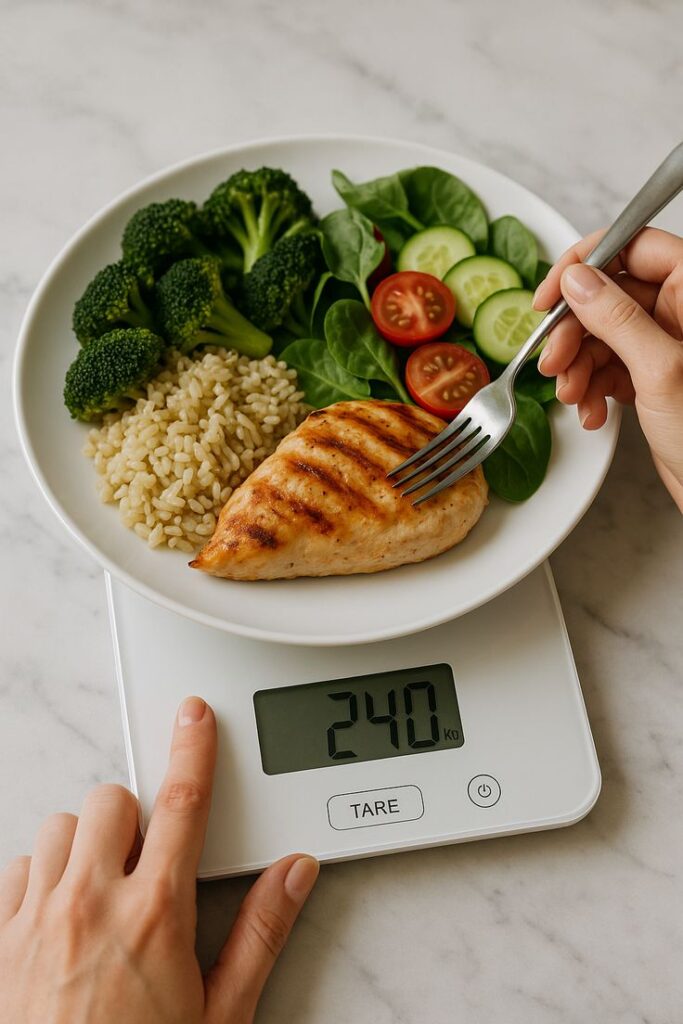
- Eat fewer calories: Reducing portion sizes or choosing lower-calorie foods
- Burn more calories: Increasing physical activity
The most effective approach is usually a combination of both.
It’s Not About Starving Yourself
One of the biggest misconceptions is that eating as little as possible will speed up results. In reality, extreme restriction can slow your metabolism, drain your energy, and make it harder to stick to your plan.
A moderate, consistent deficit is more sustainable and healthier.
Why Consistency Matters
You don’t need to be perfect every day. What matters is maintaining a calorie deficit over time. Small, steady changes often lead to better long-term results than quick, extreme diets.
Balance and Nutrition Still Count
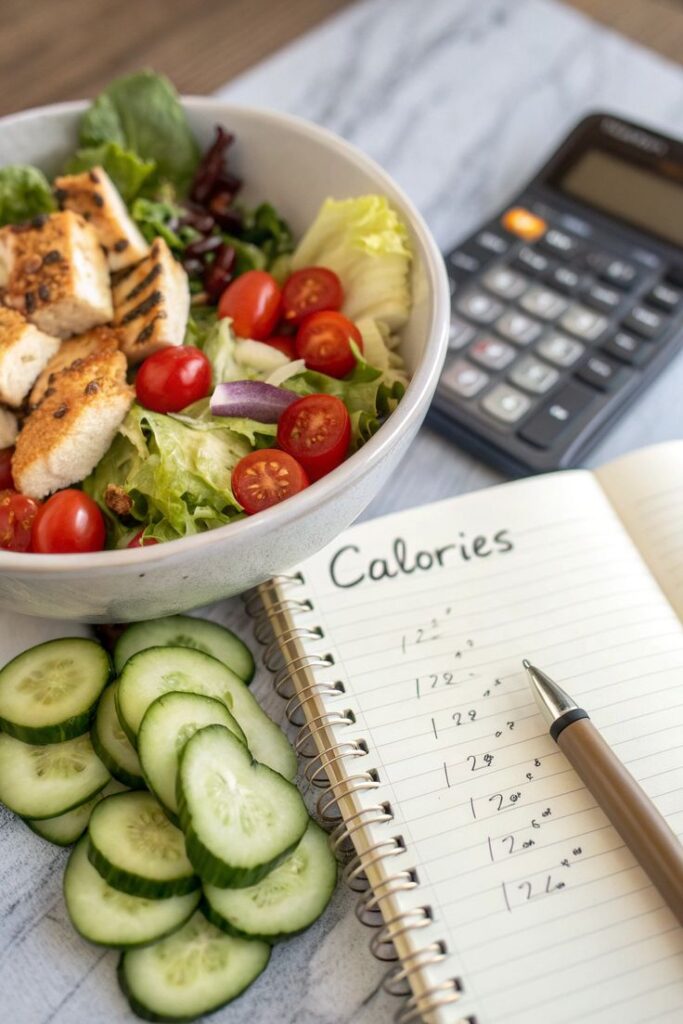
Even in a deficit, your body needs proper nutrients. Prioritizing whole foods, protein, and balanced meals helps you stay full, energized, and healthy throughout the process.
At the end of the day, weight loss isn’t about shortcuts, it’s about understanding your body and working with it, not against it.
Read Also:
- Hidden Sugars Lurking in Your “Healthy” Foods
- 10,000 Steps a Day: Fitness Essential or Just a Trend?
- High-Protein Foods That Keep You Full While Staying in a Calorie Deficit

