Kenya is stepping up efforts to save newborn lives with a new Sh11 billion programme, even as the health sector grapples with shrinking donor funding. The ambitious plan aims to reverse stalled progress and tackle the alarming number of newborn deaths recorded every year.
Highlights:
- Kenya launches Sh11 billion Healthy Birth Initiative
- Programme targets reduction of newborn deaths over five years
- About 33,000 newborns die annually in Kenya
- 12 high-burden counties selected for rollout
- Funding cuts have strained maternal and newborn health services
Main Story:
A Renewed Push to Save Newborn Lives
Kenya has joined a global campaign to improve newborn survival through the Healthy Birth Initiative, a five-year programme focused on reducing preventable deaths among infants.
The move comes at a critical time, as progress in lowering newborn mortality has remained largely unchanged for over a decade.
The Scale of the Challenge
According to the Ministry of Health, the country loses approximately 33,000 newborns each year. The leading causes include premature birth, lack of oxygen at birth, and infections such as sepsis.
This translates to about 21 deaths per 1,000 live births,above the global target of 12 deaths per 1,000 set under the Sustainable Development Goals.
Focus on High-Risk Counties
The initiative will be implemented in 12 counties that account for more than half of the country’s newborn deaths. These include urban centres like Nairobi and Mombasa, as well as regions such as Kakamega County, Garissa County, and Kericho County.
Health officials say targeting these areas will have the greatest impact in reducing overall mortality rates.
Bridging the Gap Between Knowledge and Action
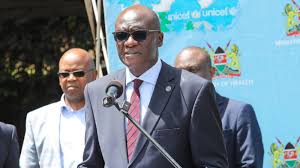
Speaking at the International Maternal Newborn Health Conference in Nairobi, Patrick Amoth noted that while solutions to prevent newborn deaths are well known, they are not being consistently applied.
These include proper antenatal care, skilled delivery, immediate newborn care, and effective referral systems.
The initiative is supported by Jhpiego, which aims to help translate proven medical practices into real-world impact.
Funding Crisis Adds Pressure
The programme comes against the backdrop of a major funding shortfall. Kenya lost up to 55% of donor funding for maternal and newborn health in 2025, disrupting essential services such as vaccinations and outreach programmes.
Experts warn that over-reliance on external funding has made the health system vulnerable to such shocks.
Turning to Local Solutions
In response, the government is exploring internal reforms to sustain healthcare delivery. One such measure allows facilities to retain and use their own revenue, improving efficiency and reducing delays in accessing funds.
There are also calls to strengthen primary healthcare systems, which are seen as the frontline for maternal and newborn services.
A Race Against Time
Health experts stress that more focus must be placed on newborn care, which has often been overshadowed by maternal health efforts.
Improving access to specialised care, including neonatal intensive care units, could be key to saving thousands of lives each year.
Read Also:
- Autopsy Results Shed Light on Deaths of Children in Kericho Grave
- Six Arrested in Plot Against Senior Military Officer
- Iran Rejects U.S. Peace Deal Amid Claims of Secret Talks

