
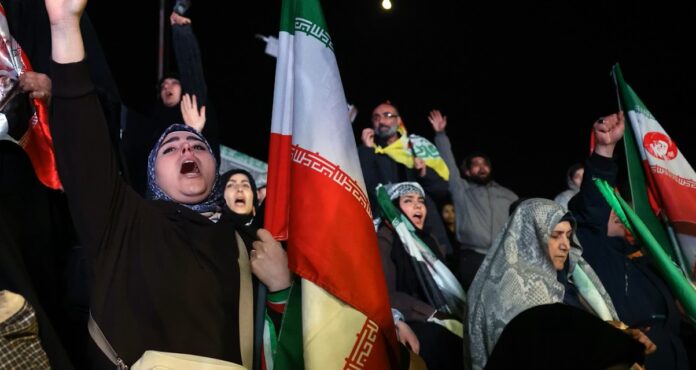
A temporary ceasefire between the United States and Iran has offered the world a brief sigh of relief, but beneath the surface, tensions remain high and the risk of a wider regional conflict is far from over.
Highlights
- A two-week ceasefire has paused direct conflict between the US and Iran
- The Strait of Hormuz reopening could stabilize global oil supply
- Israel continues separate military operations in the region
- Deep disagreements on nuclear policy and sanctions remain unresolved
- Experts warn the truce may collapse within weeks
Main Story
A Temporary Break in Hostilities
A short-term ceasefire between the United States and Iran has halted direct military confrontation, easing fears of an immediate regional escalation. The agreement, brokered with support from international players, is designed to create room for diplomatic engagement on key issues.
One of the immediate outcomes includes the partial reopening of the Strait of Hormuz, a critical route for global oil shipments, offering slight stability to energy markets.
Core Issues Still Unresolved
Despite the breakthrough, fundamental disagreements remain. Washington continues to push for limits on Iran’s nuclear program and missile development, while Tehran insists on lifting sanctions and maintaining its nuclear rights.
These opposing positions highlight the fragile nature of the deal, with both sides yet to find common ground.
Israel’s Ongoing Operations
Complicating the situation further is Israel, which has not fully aligned its military actions with the ceasefire. Operations linked to regional security concerns, particularly involving groups like Hezbollah, are still ongoing.
This creates a significant gap in the truce, raising fears that conflict could persist despite the agreement.
Lingering Distrust and Sporadic Attacks
Even with the ceasefire in place, reports of isolated strikes and retaliatory actions continue to emerge. The long-standing mistrust between the US and Iran remains a major obstacle, with years of geopolitical rivalry shaping their cautious approach.
A Region on Edge
The Middle East remains a complex web of alliances and conflicts, involving multiple actors beyond just the US and Iran. Any escalation, whether in the Gulf, Lebanon, or elsewhere, could quickly unravel the fragile truce.
Global leaders have welcomed the ceasefire as a step in the right direction, but many acknowledge that without a broader agreement, the region risks sliding back into full-scale conflict.
Read Also
- Samia Suluhu Slashes Presidential Motorcade to Cut Fuel Costs
- Western MPs Demand Justice After Attack on Senator Osotsi
- “Three Shots, One Life: Friend Recalls Rex Masai Shooting”

