Tensions between Iran and the United States have intensified, with Iran’s parliament speaker warning Washington to expect a stronger response to American attacks. The warning comes amid continued military exchanges between the two countries and growing uncertainty over the possibility of a diplomatic breakthrough.
Highlights
- Iran has threatened a stronger response to further US attacks.
- Tehran says the situation has entered a new phase.
- The US claims it targeted Iranian oil tankers following attacks on American warships.
- Iran reported an attack on a US vessel near the Strait of Hormuz, a claim Washington rejected.
- Months of negotiations have failed to produce a lasting peace agreement.
Main Story
Iran Issues Strong Warning to US
Iran has issued a fresh warning to the United States as fighting between the two countries continues to intensify.
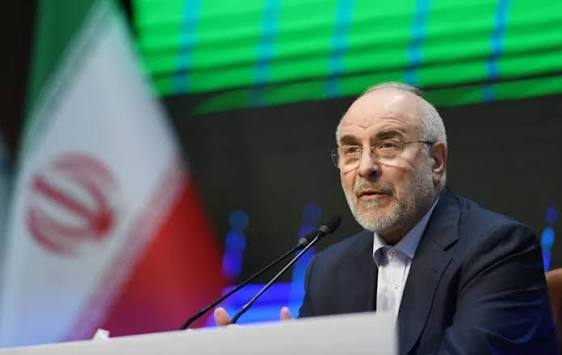
Parliament Speaker Mohammad Bagher Ghalibaf said Washington should recognise that the situation had changed and warned that any further attacks could trigger a much stronger Iranian response.
According to Iranian state media, Ghalibaf said the United States needed to understand the change before it was too late.
His remarks came almost a week after renewed hostilities between the two sides.
US Targets Iranian Oil Tankers
The latest escalation followed an announcement from Washington that American forces had targeted Iranian oil tankers.
The United States said the strikes were carried out after Iran attacked American warships operating in waters around the region.
The claims have added to concerns that the confrontation could expand beyond direct military targets and affect vital energy and shipping routes.
The BBC reported that it had contacted US Central Command for comment.
Disputed Strait of Hormuz Incident
Iranian state media also reported that the country’s Navy had attacked an American remotely operated vessel that was allegedly attempting to enter the Strait of Hormuz.
The United States military strongly rejected the claim.
Captain Tim Hawkins, a spokesperson for US Central Command, dismissed the Iranian report, describing it as false.
The Strait of Hormuz remains particularly significant because it is one of the world’s key routes for global oil shipments.
Washington Issues Its Own Threat
US Defence Secretary Pete Hegseth has also warned Iran against attacking American naval forces.
In a social media post, Hegseth said the US would respond by targeting Iranian oil tankers if Iran attacked American ships.
The exchange of threats has further raised fears of an even wider confrontation between the two countries.
Fighting Spreads Across the Region
The latest round of fighting follows the collapse of a 60-day ceasefire that formally ended last month.
The period of relative calm was broken when the United States resumed attacks last Sunday.
Since then, American forces have carried out multiple strikes against targets in Iran, while Tehran has launched retaliatory attacks against US-linked targets across the region.
The reported targets have included locations in the United Arab Emirates, Bahrain, Kuwait and Jordan.
Diplomatic Efforts Face Uncertainty
US President Donald Trump has said the renewed conflict will not continue for an extended period.
However, repeated assurances that the fighting would be short-lived have done little to ease concerns as military action continues.
Months of negotiations between Washington and Tehran have so far failed to deliver a durable peace agreement.
With both sides continuing to exchange military threats and attacks, there are currently few clear signs of an immediate diplomatic resolution.
With military threats growing louder on both sides, the biggest question remains whether diplomacy can return before the confrontation becomes even harder to contain.

