
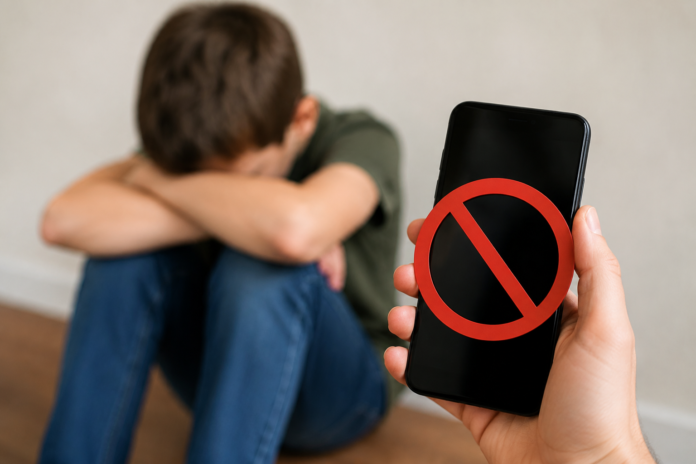
France has approved a groundbreaking law that will prevent children under the age of 15 from accessing social media platforms, making it the first European country to introduce such restrictions. The move is aimed at protecting young users from online risks, but it has also sparked debate over privacy, enforcement and digital freedom.
Highlights
- France will require social media users to verify their age.
- The ban targets users below 15 years old.
- The law will fully apply to existing accounts from January 2027.
- Privacy groups have raised concerns about age verification.
- Other countries are considering similar restrictions.
Main Story
France Introduces Tough Social Media Rules
France’s parliament has approved a law that will restrict social media access for children under 15 years old, with the measures expected to take effect in stages.
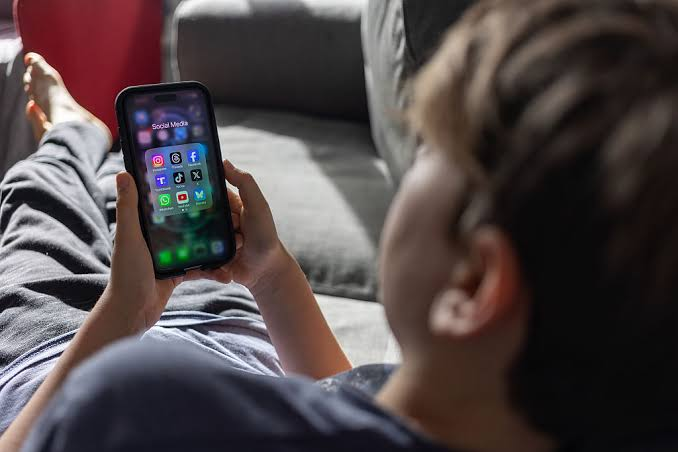
The government says the move is designed to protect young people’s mental health and reduce exposure to harmful online content.
President Emmanuel Macron has supported the legislation, describing it as part of efforts to create a safer digital environment for children.
How the Ban Will Work
The new rules will require all social media users in France to prove their age before accessing platforms.
The implementation will happen in two phases:
- From September, users under 15 will not be allowed to create new social media accounts, while new users will have to complete age verification.
- From January 2027, the requirement will extend to all existing accounts, meaning every user in France will need to confirm they are above the age limit.
Social media companies will be required to use age verification systems approved by France’s privacy regulator.
Concerns Over Privacy and Enforcement
Although the government believes existing technology can make the system work, critics have questioned whether age verification can be implemented without putting users’ personal information at risk.
Some experts have also warned that young people may find ways around the restrictions by using fake information, alternative platforms or less regulated online spaces.
There are also concerns that limiting access could reduce young people’s ability to access news, participate in discussions and engage with social issues.
France Follows Australia’s Lead
France becomes the second country to introduce a major social media age restriction after Australia implemented a similar ban targeting users under 16.
However, Australia’s experience has shown that enforcement remains a challenge, with many young people continuing to access platforms despite the restrictions.
Digital experts say France’s approach could be more effective because it requires all users to verify their age, although this may create additional privacy concerns.
Europe Moves Toward Stricter Online Rules
The debate around children’s social media use is growing across Europe.
The United Kingdom has also announced plans to restrict social media access for younger users, while the European Union is exploring possible measures aimed at delaying children’s exposure to social platforms.
Governments argue that stronger regulations are needed to protect children, while critics believe young people should be included in discussions about the future of online spaces.
As governments move to regulate online spaces, the biggest question remains: how can society protect young people while still allowing them to benefit from the digital world?

