
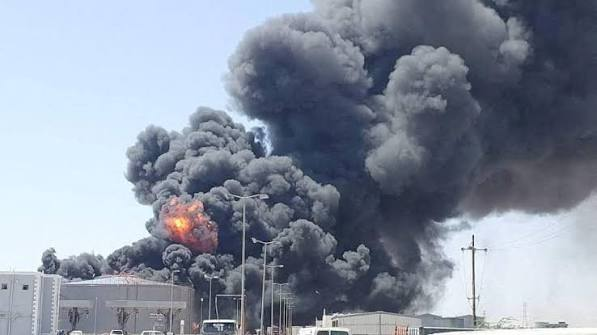
More than 100 people have reportedly been killed in a series of drone strikes across Sudan, including attacks in the capital, Khartoum, and areas controlled by the paramilitary Rapid Support Forces (RSF). One of the deadliest incidents struck a transport hub near a market in West Kordofan, where people had gathered to travel home. The latest violence highlights the growing danger facing civilians as Sudan’s war continues.
Highlights
- More than 100 people were reportedly killed in drone attacks across Sudan.
- A strike near a market in West Kordofan killed dozens of people returning from market day.
- Nyala recorded 17 deaths in another attack, including seven RSF officers.
- Four people, including three children, died when a drone struck a home in Khartoum.
- The conflict continues to drive mass displacement, hunger and a worsening humanitarian emergency.
Main Story
West Kordofan Market-Area Attack Kills Dozens
A drone strike near a market in Al-Dibab, West Kordofan, was among the deadliest incidents in the latest wave of attacks across Sudan.
The strike took place on Sunday evening in territory controlled by the RSF, which has been fighting Sudan’s national army since April 2023.
Residents and medical workers said the drone hit a transport hub where villagers had gathered after visiting the market, hoping to find transport back to their homes. Around 80 people were reportedly killed.
Ahmed Abakar Wadi, a resident who helped bury the victims, told AFP that at least 50 bodies had been recovered from the scene. His brother was among those killed.
A medical source said 47 injured people were taken to the nearby town of Al-Mujlad for treatment. Thirty later died from their injuries.
Wadi reported that the drone struck the area, then returned about 10 minutes later and attacked again.
Responsibility for the Strike Remains Disputed
The RSF’s self-declared administration, known as Tasis, and Sudanese rights organisation Emergency Lawyers accused the army of carrying out the attack. The military had not commented on the allegation at the time of reporting.
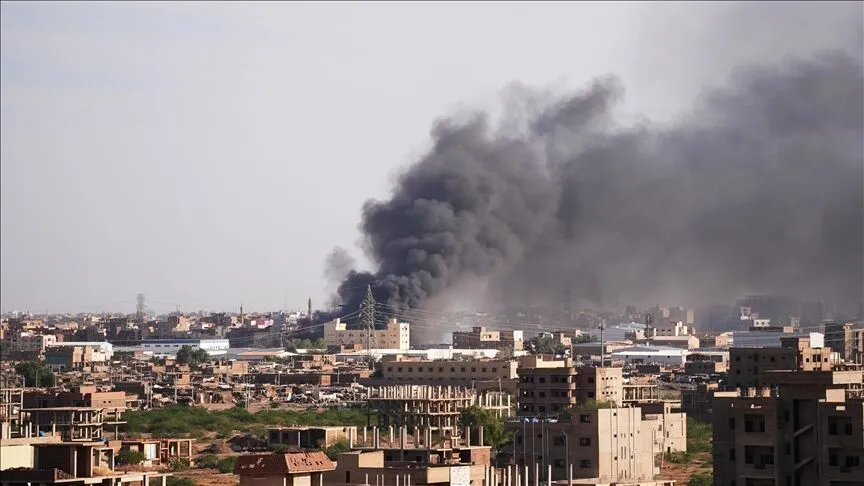
West Kordofan is an important area in the conflict because of its oil resources and strategic position connecting western and eastern parts of Sudan. The wider Kordofan region has seen repeated fighting as the army attempts to recover territory previously captured by the RSF.
The struggle for control has increasingly exposed civilians to violence in towns and communities far from conventional front lines.
Nyala Drone Strike Kills 17
Another attack was reported early Monday in Nyala, the capital of South Darfur and a major RSF stronghold.
Medical and RSF sources said 17 people were killed and 23 others injured after a drone struck the city centre and destroyed two houses. Seven of those reported dead were RSF officers.
The attack followed a separate drone strike on a cattle market in Nyala on Friday. According to a medical source, that incident killed 30 people and injured 47 others.
The repeated attacks have added to concerns over the safety of civilians in areas where the fighting between the army and the paramilitary group remains intense.
Khartoum Attack Kills Three Children
The violence also reached Khartoum on Monday morning, when a drone struck a house in a neighbourhood east of the city’s airport.
A medical source said four people died, including three children aged between two and six.
An army official separately reported that Sudanese air defences had intercepted drones allegedly launched by the RSF towards the airport and surrounding areas.
In eastern Sudan, a military source said air defences had also intercepted drones targeting the Atbara and Setit dams in Gadaref state, around 420 kilometres east of Khartoum.
The reported incidents suggest that drone attacks are threatening homes and strategic infrastructure as well as areas directly affected by ground fighting.
Sudan Faces a Deepening Humanitarian Emergency
The latest attacks come amid a conflict that has devastated communities across Sudan since April 2023.
Aid workers estimate that more than 200,000 people have died in the war, although a definitive death toll remains unavailable. The fighting has also forced millions from their homes and contributed to severe hunger, creating what aid agencies describe as the world’s largest displacement and hunger crisis.
The United Nations reported that more than 1,100 people were killed in drone attacks across Sudan during the first half of the year alone.
Kordofan has experienced repeated strikes as the army seeks to reverse RSF territorial gains, while the paramilitary group continues to hold large areas of Darfur.
With attacks affecting markets, residential neighbourhoods and key infrastructure, civilians remain at serious risk as efforts to end the conflict continue to face major challenges.
As Sudan’s conflict continues to claim lives and uproot families, the human cost is becoming increasingly difficult to ignore. How much longer will ordinary people bear the consequences of a war they have little power to stop?

