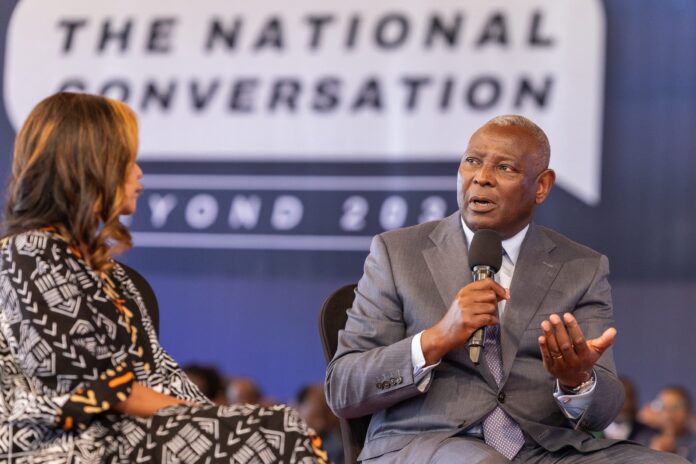
Kenya’s journey under Vision 2030 has recorded mixed results, with between half and four-fifths of its targets achieved in different sectors, according to Dr James Mwangi. As the country begins shaping Vision 2060, the former Vision 2030 Delivery Board chairman says Kenya must use data to measure its progress, learn from its shortcomings and create a development plan focused on future generations.
Highlights
- Vision 2030 achievement levels range between 50% and 80% across different areas.
- Dr James Mwangi wants data to guide the creation of Vision 2060.
- Education, healthcare and infrastructure have recorded notable progress.
- Vision 2060 should address areas where Vision 2030 fell short.
- The next development plan should prioritise children and future generations.
Main Story
Kenya Takes Stock of Vision 2030
Kenya’s development record under Vision 2030 took centre stage on Wednesday as leaders and stakeholders gathered at the Kenyatta International Convention Centre (KICC) to discuss the country’s next long-term development agenda.
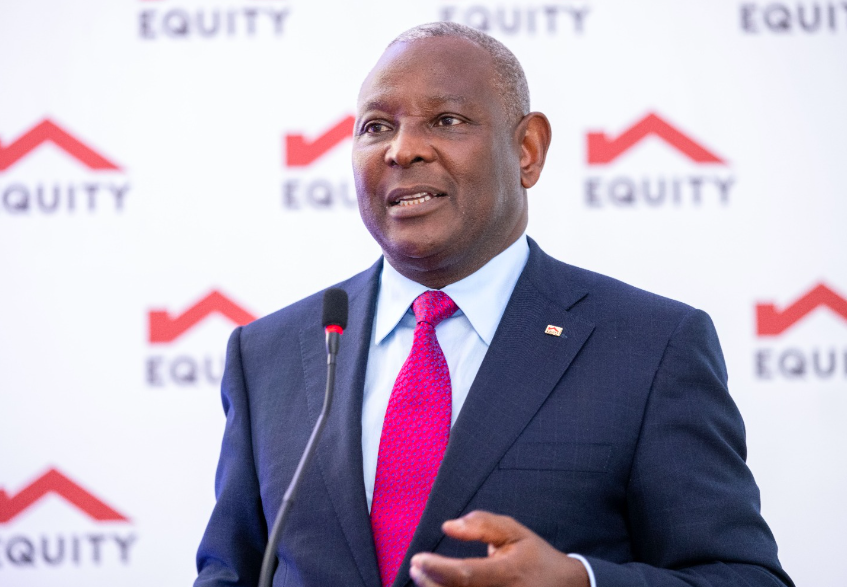
Dr James Mwangi, the founding chairman of the Kenya Vision 2030 Delivery Board and Equity Group Holdings chief executive, said the country has made considerable progress, although performance varies from one sector to another.
He estimated that implementation of Vision 2030 targets currently stands between 50% and 80%.
Rather than relying on political opinions, Mwangi said Kenya should use reliable data to establish exactly what has been achieved and where more work is required.
What Vision 2060 Can Learn
According to Mwangi, Vision 2060 should not start from scratch.
Instead, the new development blueprint should preserve areas where Kenya has performed well while developing practical solutions for sectors that have not met expectations.
He identified education and healthcare among the areas where progress has been made, although he acknowledged that several important indicators still require improvement.
Infrastructure was also highlighted as an area where Kenya has recorded significant advancement over the years.
Education Gains
Mwangi pointed to the growing number of learners progressing through the education system as one example of the country’s progress.
He argued that having about 1.2 million children reach the examination stage in a single year represents a major expansion compared with previous generations.
The achievement, he suggested, demonstrates the importance of measuring development through tangible outcomes rather than focusing only on shortcomings.
A Plan for the Next Generation
Mwangi stressed that Vision 2060 should be designed with people at the centre.
He said the country’s next development agenda should not simply reflect the interests of people living today, but should consider the needs of children and generations that will come after them.
Among the areas he highlighted were education, healthcare, security, environmental protection and stronger relationships within communities.
The approach would require Kenya to think beyond infrastructure and economic figures and consider the quality of life that future citizens will experience.
Continuity Remains Key
As Kenya moves from Vision 2030 towards a longer-term development framework, the question of continuity is likely to remain important.
Long-term projects can take years or even decades to complete, meaning changes in political leadership should not necessarily interrupt national development priorities.
For Vision 2060 to succeed, Mwangi’s message is that Kenya must first understand where it stands today, identify what worked under Vision 2030 and then build a clear roadmap for the future.
Read Also
- Kenya Can Become a Wealthy Nation by 2060, Kindiki Says
The real test of Vision 2060 will not be how ambitious the document sounds, but whether it creates a better Kenya for the children and grandchildren who will inherit it.

