
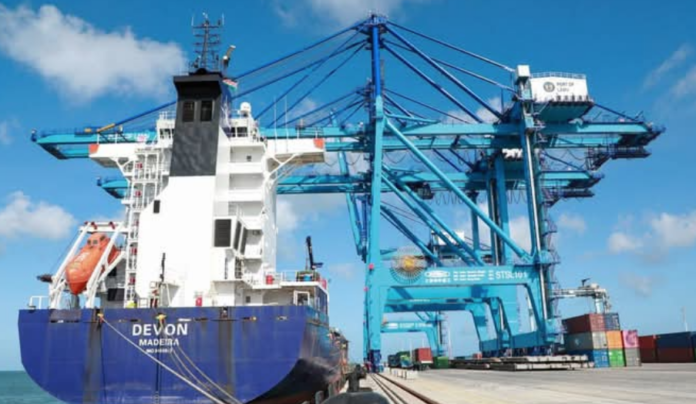
Lamu Port is fast emerging as Kenya’s next big trade gateway, with a growing number of international shipping lines now choosing it as a preferred stop. The increased vessel traffic signals rising global confidence but beyond the headlines, this shift carries significant implications for businesses, consumers, and the country’s economic future.
Highlights
- Shipping lines are increasingly docking at Lamu due to improved infrastructure and capacity.
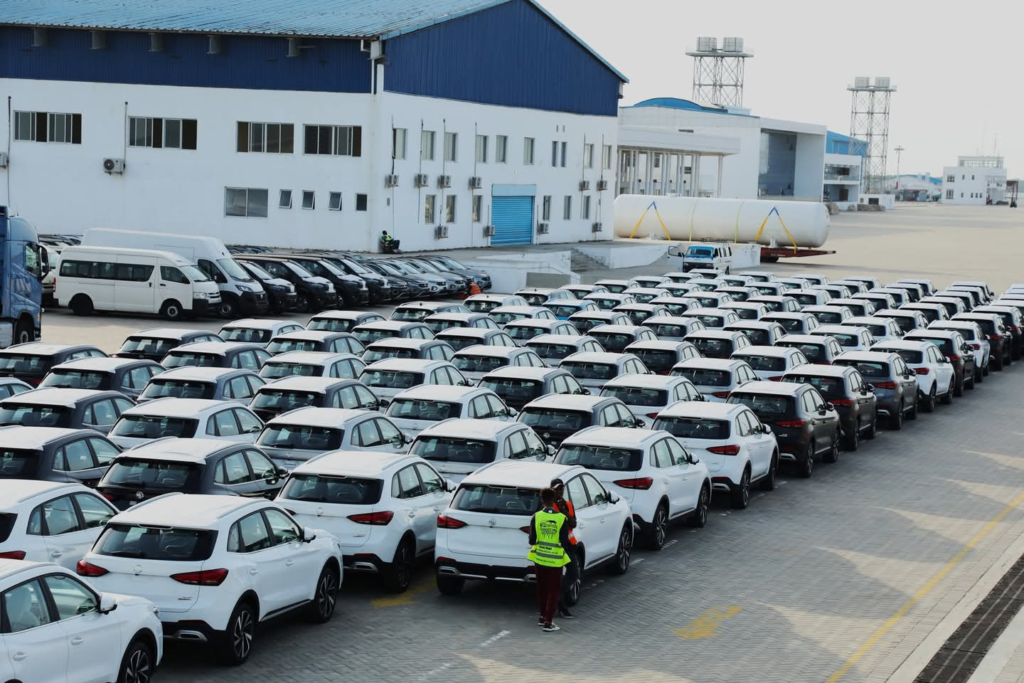
- Car carriers are leading the surge, with thousands of vehicles being offloaded weekly.
- Customers could benefit from reduced congestion and faster cargo handling.
- Kenya stands to gain from increased trade volumes and regional competitiveness.
- Lamu is positioning itself as a key transshipment hub in East Africa.
Main Story
Why Shipping Lines Are Choosing Lamu
Lamu Port is becoming more attractive to global shipping operators thanks to its modern infrastructure and strategic location along key maritime routes. Unlike older ports, Lamu was designed to handle large vessels efficiently, making it ideal for high-volume cargo such as vehicles and containerized goods.
Shipping companies are also drawn by reduced congestion compared to traditional ports. This means quicker turnaround times for vessels a critical factor in global logistics. The steady rise in car carriers docking at the port highlights how operators are beginning to trust its capacity and efficiency.
The arrival of vessels like MV Grande Florida Palermo, carrying thousands of vehicles and spare parts, reflects this growing confidence. With more ships expected, Lamu is steadily building its reputation as a reliable alternative for regional trade.
Impact on Customers
For importers, exporters, and everyday consumers, this shift could bring noticeable changes. Faster cargo clearance and reduced delays may translate into quicker delivery times for goods. Businesses importing vehicles and other products could also benefit from smoother logistics.
There is also the potential for reduced costs in the long run. Less congestion and improved efficiency can lower operational expenses for shipping lines savings that may eventually trickle down to customers through more competitive pricing.
However, in the short term, some customers may need to adjust their supply chains to align with the new port operations, especially those traditionally reliant on other ports.
Benefits to Kenya
The increased activity at Lamu Port is a major win for Kenya’s economy. Higher cargo volumes mean more revenue from port operations and related services. It also strengthens the country’s position as a regional trade hub, attracting more international business.
Additionally, the growth of the port is likely to create jobs and stimulate development in surrounding areas. From logistics and transport to hospitality and retail, multiple sectors stand to benefit.
Lamu’s rise also reduces pressure on existing ports, helping to balance trade flow across the country and improve overall efficiency in the maritime sector.
A Promising Future for Regional Trade
With vessel traffic steadily increasing and more shipping lines expected to introduce regular services, Lamu Port is on track to become a central player in East Africa’s trade network. The strong performance in cargo throughput and consistent vessel calls point to a future of sustained growth.
As Lamu Port gains momentum, the real question is could this be the turning point that reshapes Kenya’s trade future for good?

