
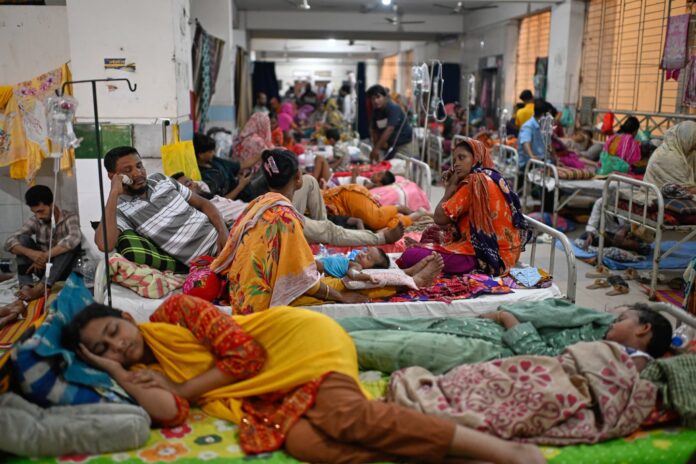
Bangladesh is battling a devastating measles outbreak that has killed more than 1,000 children, with health authorities still recording roughly 1,000 suspected new cases every day despite a nationwide emergency vaccination campaign. More than 19.8 million children have received vaccines, but officials say thousands remain vulnerable as hospitals struggle to cope with the surge.
Highlights
- More than 1,000 children have died in Bangladesh’s measles outbreak.
- More than 194,000 suspected cases have been recorded since March.
- Over 19.8 million children have already received vaccinations.
- About 83% of confirmed cases involve unvaccinated children.
- Hospitals have been overwhelmed as the outbreak spreads nationwide.
Main Story
Bangladesh Faces a Growing Measles Crisis
Bangladesh is facing one of its most serious measles outbreaks in years, with the disease spreading rapidly across the densely populated South Asian country.
Government figures indicate that more than 194,000 cases have been recorded since the outbreak intensified in March. New suspected infections continue to be reported at a rate of around 1,000 per day.
The death toll has now passed 1,000 children, highlighting the devastating impact of the outbreak on families across the country.
Emergency Vaccination Campaign Underway
Authorities launched an emergency vaccination programme in an effort to contain transmission and protect children who had missed routine immunisation.
More than 19.8 million children have already been vaccinated.
However, UNICEF says the campaign is moving into a more intensive phase aimed at reaching children who remain outside the vaccination programme.
The expanded effort is expected to focus on communities where vaccination coverage remains low.
How Bangladesh Reached This Point
The World Health Organization had previously described Bangladesh as having made significant progress towards eliminating measles.
That progress has since been badly disrupted.
UNICEF has attributed the outbreak to several factors, including the disruption of routine childhood immunisation during the COVID-19 pandemic and the country’s extremely high population density.
The agency has also previously raised concerns about delays in securing vaccine supplies, although a former senior health official from Bangladesh disputed claims that the country experienced a vaccine shortage.
Most Cases Are Among Unvaccinated Children
The WHO says the overwhelming majority of confirmed cases have occurred among children who had not been vaccinated.
Around 83% of confirmed infections were recorded among unvaccinated children, while approximately 10% involved babies younger than six months.
Infants in this age group are particularly vulnerable because they are too young to have received the full protection provided by routine childhood vaccination.
Malnutrition Adds to the Risk
Bangladesh also faces another challenge: child malnutrition.
Poor nutrition can weaken the body’s ability to fight infections and increase the risk of severe complications from measles.
For children already affected by malnutrition, contracting measles can therefore have much more serious consequences.
Health experts say tackling the outbreak requires more than simply increasing vaccine numbers. Children who remain unprotected need to be identified and reached quickly, particularly in vulnerable communities.
Hospitals Under Severe Pressure
The outbreak has also placed enormous pressure on Bangladesh’s healthcare system.
During visits to hospitals earlier in the outbreak, the BBC reported seeing families crowded together on floors and patients being treated in facilities operating well beyond their normal capacity.
One hospital was reportedly functioning at more than twice its intended capacity.
The pressure has continued as infections have increased, leaving health workers dealing with large numbers of seriously ill children.
Experts Call for a More Targeted Response
Public health experts say the initial vaccination campaign did not reach enough children or cover enough areas to completely interrupt transmission.
Dr Mushtuq Husain told the BBC that health workers needed to reach communities directly and explain the urgency of vaccination.
He argued that a successful outbreak response requires sustained efforts rather than relying on a single intervention.
The WHO, however, maintains that the vaccination campaign was successful while acknowledging that some eligible children were not reached.
The organisation says the outbreak had already spread extensively before vaccination activities began, creating multiple chains of transmission that would take time to break.
Political Instability Adds Another Challenge
Bangladesh has experienced significant political upheaval in recent years.
Student-led protests in 2024 forced former Prime Minister Sheikh Hasina from power, after which an interim administration led by Muhammad Yunus took over.
The political transition coincided with concerns over vaccine procurement and routine immunisation.
UNICEF previously said delays in ordering vaccines contributed to concerns about possible gaps in supply. Government officials have rejected the suggestion that vaccine shortages were responsible for the crisis.
Bangladesh Is Not Alone
The resurgence of measles is not limited to Bangladesh.
Several countries around the world have experienced renewed outbreaks as vaccination coverage falls below the levels required to maintain community protection.
The United Kingdom, which had previously achieved measles elimination status, has also lost that status.
The United States has similarly experienced an increase in cases in recent years, with vaccination coverage among young children falling below the approximately 95% level considered necessary to maintain herd immunity.
The Fight Now Is About Reaching Every Child
With thousands of children still potentially unprotected, Bangladesh is entering another critical phase of its response.
The challenge is no longer simply getting vaccines into the country. Health workers must identify children who have missed doses, reach communities that may be difficult to access and rebuild confidence in routine immunisation.
For families already dealing with overcrowding, poverty and malnutrition, the consequences of the outbreak can be particularly severe.
The growing death toll has turned Bangladesh’s measles response into a stark reminder of how quickly a preventable disease can return when vaccination gaps widen.
A measles outbreak of this scale is a reminder that when vaccination gaps widen, diseases once considered controllable can quickly return with devastating consequences.
More on this topic: Kenya Designates Four Labs for Ebola Testing as Disease Surveillance Intensifies. Official information: WHO measles fact sheet.

