
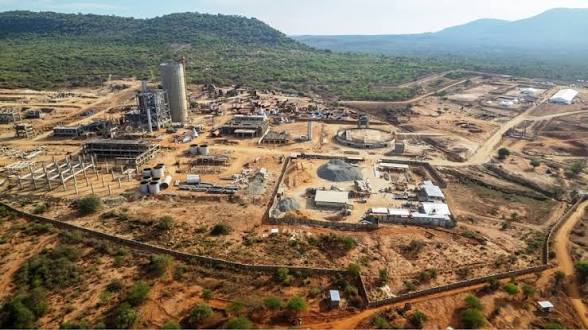
Kitui County is preparing for a major industrial transformation following the groundbreaking of a KSh70 billion cement manufacturing plant in Ngaaie. President William Ruto says the investment by Devki Group will strengthen local manufacturing, create employment opportunities and help Kenya retain more economic value by producing essential cement materials locally rather than relying heavily on imports.
Highlights
- Devki Group is investing KSh70 billion in a cement manufacturing plant in Ngaaie, Kitui County.
- The project is expected to support employment and stimulate economic activity in the region.
- Local clinker production could reduce Kenya’s dependence on imported cement-making materials.
- The government says its import levy on clinker is intended to encourage domestic manufacturing.
- Policymakers face the challenge of balancing local industry protection with competitive prices for consumers.
Main Story
Kitui Welcomes a Major Industrial Investment
President William Ruto has announced a significant milestone for Kitui County following the groundbreaking of its first cement manufacturing plant in Ngaaie.
The project, backed by the Devki Group, represents an investment of KSh70 billion and is expected to strengthen the region’s position in Kenya’s growing manufacturing sector.
For communities around Ngaaie, the development brings renewed attention to the economic potential of the area’s limestone deposits, which could support large-scale cement production and related industries.
Ruto welcomed the investment, describing it as an indication of investor confidence in Kenya’s economy and the country’s manufacturing ambitions.
The project could also stimulate economic activity beyond the factory itself, with opportunities potentially emerging in transportation, construction, equipment maintenance, distribution and other supporting services.
What the Cement Plant Means for Local Communities
The planned facility could become an important economic development for Kitui, particularly if residents benefit directly from employment and business opportunities linked to the project.
Large manufacturing investments typically require workers with different skills, ranging from technical and engineering expertise to logistics, administration and plant operations.
Local businesses could also benefit from supplying goods and services to the facility and its workforce.
However, the project’s long-term impact will depend on how effectively employment and commercial opportunities reach surrounding communities.
For young people in Kitui and neighbouring counties, access to technical training and relevant professional skills could help improve their chances of securing positions in the manufacturing sector.
The extent of local recruitment and the number of jobs the facility will create have not been specified in the announcement.
Why Local Clinker Production Matters
A central part of the government’s industrialisation strategy is increasing the production of clinker within Kenya.
Clinker is a key intermediate material used in cement manufacturing. It is produced by heating a mixture of limestone and other raw materials at high temperatures before being ground with additional materials to make cement.
Kenya’s ability to produce more clinker locally could reduce its reliance on imported supplies and allow a greater share of the economic benefits to remain within the country.
Domestic production could also support skills development, encourage investment in industrial infrastructure and strengthen connections between mining, manufacturing and distribution.
The government believes investments such as the Kitui plant can help expand Kenya’s manufacturing capacity while creating opportunities for workers and businesses.
Government Defends Levy on Imported Clinker
The cement project comes against the backdrop of government efforts to encourage local production through trade and investment policies.
One of the measures highlighted by Ruto is the Export and Investment Promotion Levy introduced on imported clinker in 2023.
The policy is intended to make domestic production more attractive and encourage investors to establish or expand clinker manufacturing operations in Kenya.
Supporters of this approach argue that encouraging local production can reduce exposure to international supply disruptions and help develop domestic industrial capacity.
However, the effects of such policies also depend on production costs, market competition and the availability of reliable infrastructure.
If locally manufactured clinker becomes more competitive, cement producers could benefit from a stronger domestic supply chain. If production costs remain high, manufacturers and consumers could face additional financial pressure.
Can Industrial Growth Deliver Affordable Cement?
While the investment represents a major step for Kitui, the broader challenge will be ensuring that increased manufacturing capacity benefits both businesses and ordinary Kenyans.
Cement is an important material in construction, infrastructure development and housing. Its price can influence the cost of building homes and undertaking commercial projects.
Ruto has stressed the need for predictable government policies that give investors confidence to commit capital to large manufacturing facilities.
At the same time, he has emphasised the importance of ensuring that domestic production supports healthy competition, quality standards and affordable prices.
For Kenya, the success of the new plant will therefore involve more than establishing a factory. Its contribution will also be measured by its ability to strengthen local supply chains, support employment and supply the market competitively.
As construction advances, attention will turn to how the investment translates into tangible benefits for Kitui residents and the wider economy.
Kitui’s new cement plant represents a significant industrial opportunity, but its ultimate success will depend on whether the investment delivers jobs, stronger local businesses and more affordable building materials for Kenyans.

