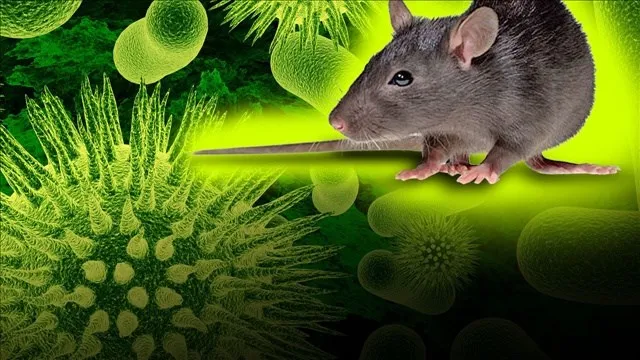
A virus carried by rodents is quietly posing a serious health risk across the globe, with the potential to cause severe illness and even death in humans. Known as hantavirus, this infection spreads mainly through contact with infected rodents and can escalate rapidly, especially in certain regions. While rare, its high fatality rate makes it a major concern that people need to understand and take seriously.
Highlights:
- Hantavirus spreads through contact with infected rodents or their waste.
- It can cause severe respiratory or kidney-related illnesses.
- Fatality rates can reach up to 50% in some regions.
- Human-to-human transmission is extremely rare.
- No specific vaccine or cure currently exists.
Main Story:
What Is Hantavirus?
Hantaviruses are a group of viruses naturally found in rodents. Each type of virus is typically linked to a specific rodent species, which carries the virus without showing signs of illness. Humans become infected when they come into contact with contaminated rodent urine, droppings, saliva, or, in rare cases, through bites.
How Did It Start?
Hantaviruses have existed for decades and are found worldwide, particularly in regions with large rodent populations. The virus gained global attention after outbreaks linked to human exposure in rural and forested areas. Over time, scientists discovered different strains across continents, each causing varying forms of illness.
Types of Illness Caused
The virus affects people differently depending on the region:
- In the Americas: It leads to a severe lung condition known as hantavirus cardiopulmonary syndrome (HCPS), which can quickly become life-threatening.
- In Europe and Asia: It causes haemorrhagic fever with renal syndrome (HFRS), which affects the kidneys and can result in internal bleeding.
Death Toll and Global Impact
Although infections are relatively uncommon, hantavirus carries a high risk of death. Fatality rates range from less than 15% in parts of Europe and Asia to as high as 50% in the Americas. Globally, between 10,000 and 100,000 cases are reported annually, with most occurring in Asia and Europe. In contrast, the Americas report fewer cases, but they tend to be more severe.
Can It Spread Between People?
Human-to-human transmission is extremely rare. The only known strain capable of spreading between people is the Andes virus, mostly reported in parts of South America. Even then, it typically requires close and prolonged contact.
Symptoms to Watch Out For
Symptoms usually appear one to eight weeks after exposure and may start like a common illness:
- Fever and headaches
- Muscle aches
- Nausea or vomiting
As the disease progresses, it can lead to serious complications such as breathing difficulties, fluid buildup in the lungs, kidney failure, and shock.
Diagnosis and Treatment
Detecting hantavirus early can be difficult because its symptoms resemble other illnesses like flu or pneumonia. Diagnosis often relies on lab tests and a patient’s exposure history.
There is currently no specific cure or vaccine. Treatment focuses on supportive care, especially in intensive care units where breathing and organ function can be closely monitored.
Prevention: Your Best Protection
Avoiding contact with rodents is key. Simple steps can significantly reduce risk:
- Keep living spaces clean and rodent-free
- Seal holes and entry points in homes
- Store food properly
- Clean contaminated areas using damp methods instead of sweeping
- Practice proper hand hygiene
Staying Safe in Healthcare Settings
Medical environments pose a very low risk when proper precautions are followed. Standard hygiene practices and protective measures are usually enough to prevent transmission, even when handling suspected cases.
Sometimes, the smallest and most overlooked creatures can carry the biggest risks so how safe is your environment, really?

