
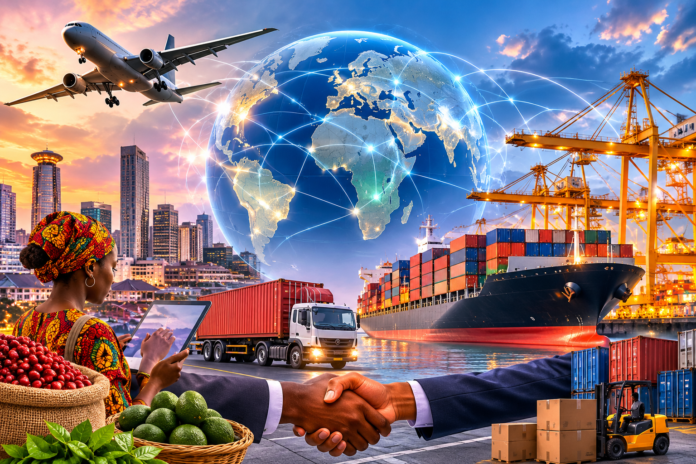
Global trade has become one of the biggest forces shaping the modern economy. Every day, countries buy and sell goods, services, technology and ideas across borders, creating jobs, attracting investments and improving living standards. From the phone in your pocket to the food on your table, international trade plays a role in almost every aspect of daily life. As technology continues to connect markets, trade is becoming faster, bigger and more important than ever before.
Highlights
- Global trade connects countries and creates millions of jobs.
- Technology has made buying and selling across borders easier.
- Trade helps businesses grow and reach international markets.
- Consumers enjoy more choices and competitive prices.
- Challenges such as trade wars and supply chain disruptions continue to affect the global economy.
Main Story
What Is Global Trade?
Global trade refers to the exchange of goods and services between countries. Nations export products they produce efficiently and import goods they cannot produce easily or cheaply. This allows countries to benefit from each other’s strengths while supporting economic growth.
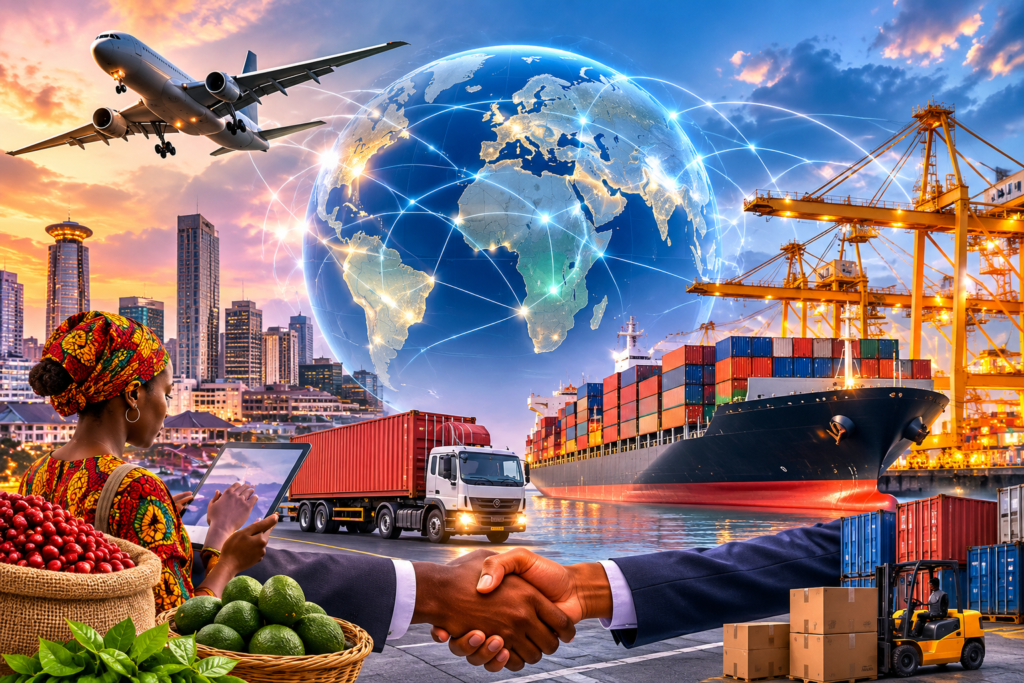
For example, Kenya exports tea, coffee, flowers and avocados to markets across Europe, Asia and the Middle East. At the same time, the country imports vehicles, machinery, electronics, fuel and medical equipment from other nations.
Why Is Trade Growing So Fast?
Several factors have accelerated global trade over the last two decades:
Technology and the Internet
The internet has transformed business. Companies can now advertise products online, negotiate with international buyers through video calls and receive payments digitally. Even small businesses can sell products to customers in different countries through e-commerce platforms.
Improved Transport
Modern cargo ships, aircraft and railway networks have reduced delivery times significantly. Goods that once took months to arrive can now reach international markets within days.
Digital Payments
Online banking, mobile money and international payment systems have simplified global transactions, allowing businesses to trade with partners worldwide more efficiently.
Trade Agreements
Many countries have signed agreements that reduce taxes and trade barriers, making it easier for businesses to export and import goods. Examples include the African Continental Free Trade Area (AfCFTA), which aims to increase trade among African countries.
How Trade Benefits the Economy
Global trade contributes to economic development in several ways.
It creates employment opportunities in manufacturing, agriculture, logistics, transport, banking and technology.
Businesses expand by reaching new international customers, increasing profits and encouraging investment.
Consumers benefit from a wider variety of products, often at more affordable prices because of competition.
Governments also collect revenue through taxes and customs duties, which help fund infrastructure, healthcare and education.
The Role of Technology
Technology has become the backbone of modern trade.
Artificial intelligence helps companies predict customer demand and manage inventories.
Blockchain technology improves transparency in international transactions.
Cloud computing enables businesses to coordinate operations across different countries.
Automation increases factory productivity while reducing production costs.
Social media platforms have also become powerful marketing tools, allowing businesses to reach millions of potential customers worldwide.
How Kenya Benefits
Kenya continues to strengthen its position as a regional trading hub.
Agricultural exports such as tea, coffee, flowers and fresh produce earn billions of shillings in foreign exchange every year.
The Port of Mombasa serves as a major gateway for East African trade.
Kenya’s growing digital economy has also enabled freelancers, software developers and online entrepreneurs to offer services to international clients.
The country is also embracing innovation through mobile banking, fintech and digital commerce, making it easier for local businesses to participate in global markets.
Challenges Facing Global Trade
Despite its advantages, international trade also faces several obstacles.
Trade disputes between powerful economies can increase prices and slow economic growth.
Supply chain disruptions caused by pandemics, conflicts or natural disasters can delay deliveries and create shortages.
Inflation and fluctuating exchange rates affect import and export costs.
Climate change continues to disrupt agriculture and transport systems, affecting global supply chains.
Why Global Trade Matters to Ordinary People
Many people may not realize it, but global trade affects everyday life.
The price of fuel influences transport costs.
Imported smartphones, laptops and household electronics depend on international supply chains.
Farmers earn income when their produce reaches foreign markets.
Students and professionals benefit from easier access to international technology, education and business opportunities.
As economies become increasingly interconnected, events happening thousands of kilometres away can directly influence prices, employment opportunities and business performance at home.
In today’s connected world, trade is no longer just about buying and selling it is the engine that powers innovation, creates opportunities and connects billions of people across the globe.

