
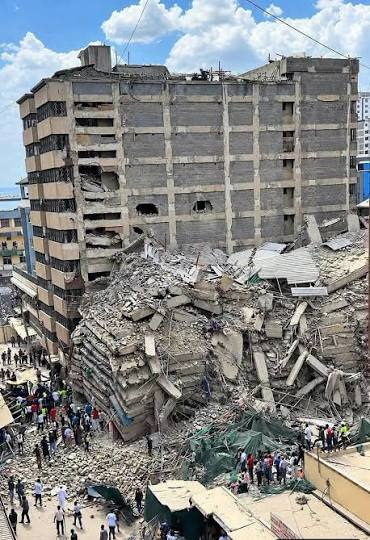
The collapse of an 18-storey building in Eastleigh, Nairobi, has renewed scrutiny of construction safety and the systems responsible for approving and inspecting buildings across the capital. Nairobi Governor Johnson Sakaja has acknowledged that the collapsed structure lacked county approval, raising questions about how construction proceeded despite the regulatory framework designed to protect residents and the public.
Highlights
- An 18-storey building collapsed in Eastleigh on October 24, 2026.
- Governor Johnson Sakaja acknowledged that the construction had not received county approval.
- Nairobi County’s planning, compliance and enforcement departments are responsible for overseeing different aspects of construction regulation.
- Kamukunji Sub-county officials also have responsibilities relating to planning compliance and enforcement.
- Figures attributed to the National Construction Authority indicate widespread building safety concerns in Nairobi.
Main Story
Eastleigh Building Collapse Puts Construction Oversight Under Scrutiny
The collapse of an 18-storey building in Eastleigh has reignited debate over construction standards, regulatory enforcement and accountability in Nairobi.
The incident occurred on the afternoon of October 24, 2026, with the structure reportedly collapsing in what construction professionals describe as a pancake collapse, where floors fall onto one another.
The incident has drawn attention to the processes intended to ensure that buildings meet approved designs, construction standards and safety requirements before and during development.
Nairobi Governor Johnson Sakaja has acknowledged that the building did not have the necessary county approval, raising questions about how the project progressed without the required authorisation.
The circumstances surrounding the collapse, including the factors that caused the structure to fail, require investigation. The absence of county approval raises separate questions about whether enforcement systems identified the development and what action, if any, was taken before the incident.
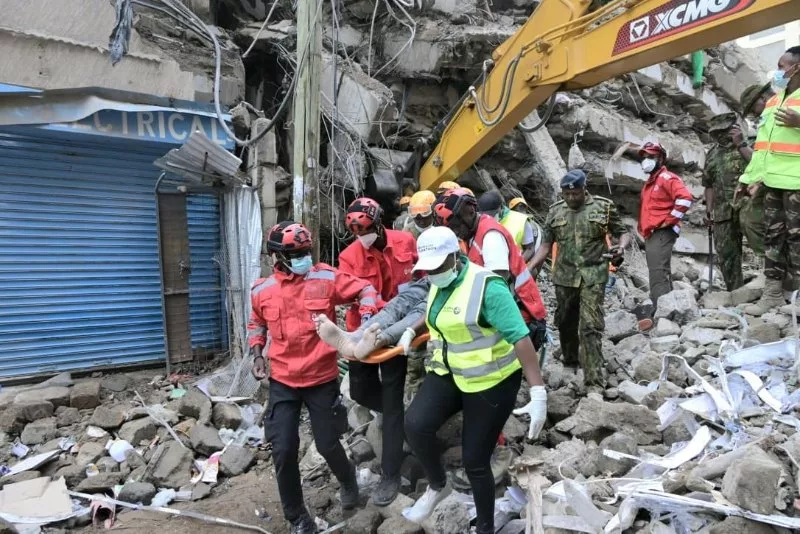
City Hall Departments Responsible for Construction Compliance
Nairobi City County has several departments and officials tasked with planning, development control, compliance and building inspection.
Among the officials identified in the county’s administrative structure are Tom Achar, acting County Director of Planning, Compliance and Enforcement; Wilfred Masinde, Deputy Director of Planning, Compliance and Enforcement; Richard Mumo, Assistant Director of Planning, Compliance and Enforcement; and Eric Okuku, Assistant Director responsible for building inspection.
Their respective departments form part of the wider system responsible for overseeing development and enforcing county requirements.
The collapse has raised questions about how these regulatory functions operate in practice, particularly when construction proceeds without the necessary approvals.
However, establishing whether specific officials failed in their duties would require evidence about the project’s history, inspection records, enforcement actions and the responsibilities assigned to each office.
Kamukunji Sub-County’s Role in Enforcement
The incident has also focused attention on the responsibilities of local administrators in Kamukunji Sub-county, where Eastleigh is located.
The sub-county administrative structure includes officers responsible for ensuring compliance with county laws and regulations.
Planning compliance and enforcement officers are tasked with matters relating to planning laws and building regulations, while environmental compliance officers oversee relevant environmental requirements.
Inspectorate officers, commonly known as kanjos, also have enforcement responsibilities, including taking action against developers who violate applicable county regulations.
These responsibilities are intended to complement the work of county departments by helping identify and address violations at the local level.
The central question following the Eastleigh collapse is how the various levels of oversight interacted in this particular case and whether existing enforcement mechanisms were sufficient to prevent unauthorised construction from progressing.
Building Safety Concerns in Nairobi
The collapse has renewed broader concerns about the quality and safety of buildings across Nairobi.
Figures attributed to the National Construction Authority suggest that between 50 and 85 per cent of buildings in the capital fail to meet basic safety standards, with substandard materials and poor workmanship cited among the concerns.
The reported range points to a potentially serious challenge, although the scope, methodology and date of the underlying assessment should be confirmed before the figures are treated as representative of all buildings in Nairobi.
Building safety depends on several factors, including proper design, approved construction plans, competent professionals, quality materials and inspections throughout the construction process.
Even where regulations exist, their effectiveness depends on consistent implementation and the ability of authorities to identify and address violations before they place lives at risk.
Questions of Accountability After the Collapse
The Eastleigh incident has placed renewed attention on the relationship between developers, construction professionals and public officials responsible for enforcing building regulations.
A building’s approval status, compliance with technical standards and the cause of its eventual collapse are separate issues that investigators must examine.
Determining responsibility will require a clear account of how the structure was developed, whether any stop orders or enforcement notices were issued, what inspections took place and whether construction complied with applicable technical requirements.
The findings could help establish whether the incident resulted from structural deficiencies, regulatory failures or a combination of factors.
For Nairobi residents, the case highlights the importance of transparent investigations and effective enforcement of construction standards.
Ultimately, the challenge extends beyond determining what happened at one site. It also involves ensuring that buildings across the city are constructed and maintained in ways that protect the people who live, work and move around them.
The Eastleigh collapse raises a question that Nairobi cannot afford to ignore: how can building regulations protect the public if unauthorised developments are not identified and addressed before disaster strikes?
The answers will depend on a transparent investigation, clear accountability and consistent enforcement of the standards intended to keep Kenyans safe.

