
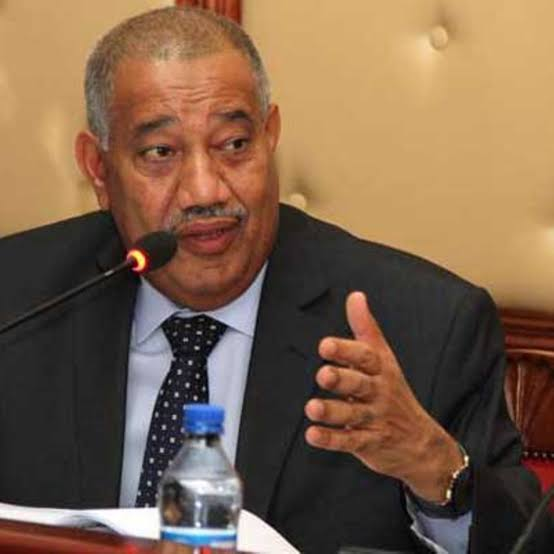
Lamu Governor Issa Timamy has called for ordinary Kenyans to have an opportunity to own shares in the proposed Lamu oil refinery, saying the investment should deliver benefits beyond major investors. He has also urged contractors to prioritise local employment and protect Lamu’s environment as preparations for the multibillion-shilling project continue.
Highlights
- Timamy says Kenyans should be able to buy refinery shares through the NSE.
- He wants Lamu residents to benefit from jobs and business opportunities.
- The governor has called for protection of mangroves, the ocean and Lamu’s cultural heritage.
- He is urging young people and local businesses to prepare for opportunities linked to the project.
- The refinery has also faced legal challenges from people opposed to aspects of the development.
Main Story
Timamy Calls for Public Ownership
Governor Issa Timamy says the proposed Lamu oil refinery should provide an opportunity for ordinary Kenyans to participate as shareholders.
According to Timamy, the government will retain a stake in the refinery while shares will be made available to members of the public through the Nairobi Securities Exchange.
He said the proposed arrangement should allow ordinary citizens to participate in the investment rather than leaving ownership in the hands of a small group of wealthy investors.
Timamy also said Kenyans would need to be educated on how share ownership works so that more people can participate when the opportunity becomes available.
The proposed public shareholding is part of a wider conversation around how Kenyans could benefit financially from major infrastructure and industrial projects.
Lamu Residents Want a Bigger Role
For residents of Lamu, the governor says the refinery should translate into tangible opportunities within the county.
Timamy has urged the investor and contractors to prioritise local residents when hiring workers, particularly young people who could benefit from employment created by the project.
He has also encouraged local businesses to improve their skills and standards so they can compete for contracts and services that may emerge around the industrial development.
The governor said the project could create opportunities ranging from employment to new customers for small businesses.
Environmental Protection Remains a Concern
While backing the investment, Timamy has also called for safeguards to protect Lamu’s environment.
He wants measures put in place to protect the county’s ocean, mangrove ecosystems and cultural heritage from potential pollution and other impacts associated with large-scale industrial activity.
The county government, he said, will work with national authorities and investors while pushing for improvements in infrastructure and public services, including roads, healthcare and housing.
Dangote Welcomed to Lamu
Timamy also expressed appreciation to Nigerian businessman Aliko Dangote for choosing Lamu for the major investment.
He described the project as an opportunity for a region that has historically been regarded as marginalised to play a larger role in Kenya’s economic development.
The governor said Lamu has a workforce and business community that can contribute to the project, while expressing confidence that the refinery could support longer-term economic growth.
Legal Opposition to the Project
The proposed refinery has also attracted opposition from some residents and other parties who have taken legal action over aspects of the development.
Timamy has strongly criticised those seeking to stop the project, arguing that doing so could deny young people opportunities associated with the investment.
He said his administration would continue supporting the project and expressed confidence that attempts to halt it would not succeed.
However, the concerns raised through court proceedings remain part of the wider debate surrounding the refinery, including questions around community interests, environmental protection and how the project’s benefits will be distributed.
What Public Shareholding Could Mean
If the proposed NSE shareholding arrangement proceeds, Kenyans could potentially have another avenue to participate in the ownership of a major industrial project.
However, prospective investors would still need to wait for formal details on the ownership structure, regulatory approvals, share pricing and the process through which members of the public could acquire shares.
For Lamu residents, the immediate focus is likely to remain on jobs, local business opportunities, environmental safeguards and ensuring that the project delivers meaningful benefits to communities around the development.
As Lamu prepares for a major industrial transformation, the bigger conversation will be about more than building a refinery it will be about who gets the jobs, who gets to participate and how the community and environment are protected along the way.

