
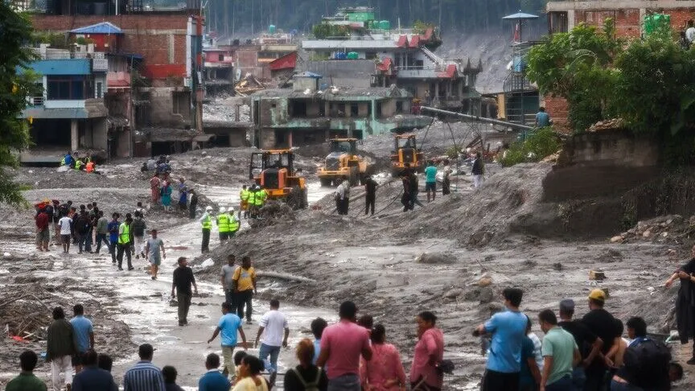
One month after devastating floods swept through northern Nepal, the disaster continues to haunt classrooms. At Neelakantha Secondary School in Rasuwa, teachers now mark the names of missing students in red a painful daily reminder of the children and colleagues who never made it back.
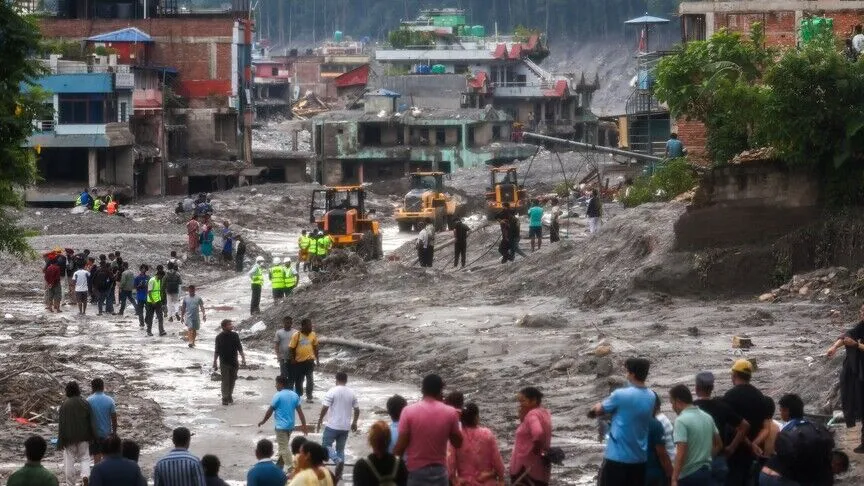
Highlights
- Neelakantha Secondary School lost 70 students and four teachers.
- More than 5,000 people remain missing across Nepal, according to the report.
- About 500 students and 24 teachers are still missing in Rasuwa and neighbouring districts.
- More than 14,000 children have had their education disrupted.
- Teachers say psychological support is now as important as rebuilding damaged infrastructure.
Main Story
Attendance Becomes a Daily Reminder of Loss
At Neelakantha Secondary School in Nepal’s Rasuwa district, taking attendance has become an emotional ritual.
Teachers place red marks beside the names of students who have been missing since the devastating August 26 floods. The school itself survived largely because it sits on higher ground, but the disaster still claimed members of its community.
Seventy students and four teachers from the institution remain among those lost.
Principal Madhav Lamichhane said the scale of the tragedy has touched almost every family in Rasuwa.
Many of the missing students were travelling to school from settlements near the river when powerful floodwaters tore through the valley.
Teacher Rama Paudel said the loss of young lives has been especially painful for staff and students who knew them personally.
Thousands Still Missing
The flooding followed a glacial collapse near the China-Nepal border, unleashing destructive waves that damaged roads, bridges and settlements across mountainous parts of the country.
According to the report, more than 1,400 people died, with the majority of the deaths recorded in Nepal. More than 5,000 people were still missing a month later.
The education sector has also suffered major losses.
Government figures cited in the report indicate that roughly 500 students and 24 teachers remain missing across Rasuwa and neighbouring districts. Eighteen schools have also been damaged, with reconstruction costs estimated at up to $15.47 million.
Education ministry spokesman Shree Prasad Bhattarai described the situation as the most severe crisis the country’s education sector has experienced.
Children Struggle to Return to Class
The physical destruction is only part of the problem.
Initial UNICEF assessments found that learning had been disrupted for more than 14,000 children across 62 schools and learning centres in affected areas.
Neelakantha Secondary School has 508 students, but fewer than half had returned when classes resumed two weeks after the disaster.
Around 150 learners were reportedly still unable to reach the school because key roads and bridges had been swept away.
Some classrooms have also been converted into relief distribution points, making it harder for the institution to fully return to normal school operations.
Emotional Recovery Could Take Longer
Teachers say the psychological impact of the disaster may be even more difficult to address than damaged buildings and infrastructure.
Some learners have lost parents, relatives or close friends. Others witnessed people being swept away by the floods.
Teacher Shiva Ram Bhatta said many students are struggling to concentrate despite the passage of a month.
Relief agencies have been able to provide essential supplies to many survivors, but teachers believe the next stage of recovery must also address the emotional needs of children.
UNICEF representative Alice Akunga has stressed that education can give children stability, routine and hope following a disaster.
For the teachers at Neelakantha, however, rebuilding that sense of normality will require more than reopening classrooms.
They are calling for psychosocial support alongside long-term solutions that can reconnect children with their schools, communities and futures.
The school may have survived the floodwaters, but every attendance register now carries the memory of those who did not.
When the waters recede, rebuilding the roads and classrooms may be possible but helping children feel safe enough to dream again can take much longer.

