
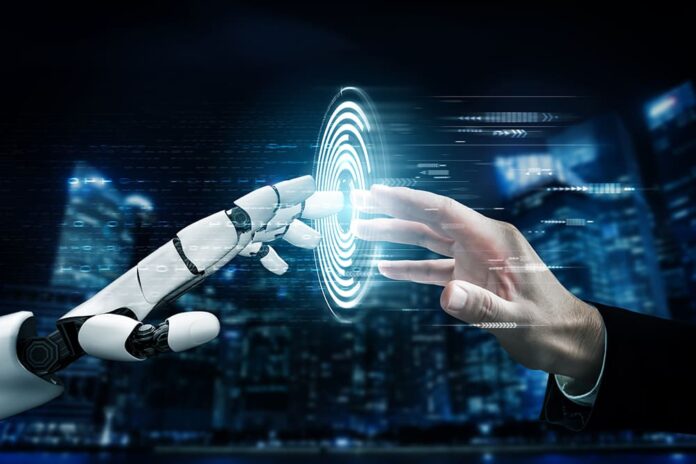
Artificial intelligence is no longer a futuristic idea reserved for science fiction. From generating content and analysing data to automating routine tasks, AI is already changing how people work. For young professionals entering the workforce, the biggest question is no longer whether AI will affect their careers, but how they can adapt and remain valuable in an increasingly automated world.
Highlights
- AI is changing how businesses approach everyday tasks and decision-making.
- Some routine roles face greater pressure from automation.
- New careers linked to AI, data and technology are emerging.
- Human skills such as creativity, communication and critical thinking remain important.
- Continuous learning will become increasingly important for workers.
Main Story
AI Is Changing the Workplace
The modern workplace is entering a major period of transformation.
Artificial intelligence tools can now perform tasks that previously required significant amounts of human time, including drafting documents, processing information, generating images, analysing large datasets and assisting customers.
For businesses, the attraction is clear. AI can improve efficiency, reduce repetitive workloads and help employees complete certain tasks faster.
But for workers, the transformation comes with both opportunities and concerns.
Will AI Take People’s Jobs?
One of the biggest fears surrounding AI is widespread job displacement.
Some positions that involve highly repetitive or predictable tasks are more vulnerable to automation. Customer support, data processing, administrative work and some basic content-production tasks, for example, are already being influenced by AI-powered systems.
However, the future of work is unlikely to be as simple as humans versus machines.
In many workplaces, AI is expected to change jobs rather than completely eliminate them. Employees may increasingly use AI as a tool to handle routine responsibilities while they focus on tasks requiring judgement, creativity and interpersonal skills.
New Opportunities Are Emerging
Every major technological shift creates new forms of employment, and the AI revolution is no different.
The growing technology ecosystem is creating demand for professionals working in areas such as AI development, data analysis, cybersecurity, machine learning, automation and AI governance.
There is also growing demand for workers who understand both technology and specific industries.
For example, a marketing professional who knows how to use AI effectively may have an advantage over someone who relies entirely on traditional methods.
Human Skills Still Matter
As machines become better at processing information, distinctly human abilities could become even more valuable.
Communication, leadership, creativity, emotional intelligence, collaboration and critical thinking are difficult to reduce to simple automated processes.
A worker who can ask the right questions, understand people, make sound decisions and use technology strategically may be better positioned than someone who simply possesses technical knowledge.
The future worker may therefore not be the person who competes against AI, but the one who knows how to work alongside it.
Young Professionals Need to Adapt
For young Kenyans entering the job market, adaptability could become one of the most important career advantages.
Learning how to use AI tools responsibly can improve productivity, but technology should not replace the development of fundamental professional skills.
Building expertise in a particular field, understanding digital tools and staying curious about emerging technologies can help workers remain competitive.
The most valuable approach may be continuous learning rather than relying on a single qualification or skill set for an entire career.
The Workplace of Tomorrow
The workplace of the future could look significantly different from what many people are used to today.
AI assistants may handle routine administrative responsibilities, while employees spend more time on strategy, problem-solving and creative work. Remote and hybrid working arrangements could also continue evolving alongside increasingly sophisticated digital collaboration tools.
At the same time, businesses and governments will face difficult questions around privacy, workplace surveillance, income inequality, job security and responsible use of AI.
The technology may move quickly, but societies will need to ensure that workers are not left behind.
The future of work may not belong to those who know the most about AI, but to those who learn how to use it without losing the human skills that make their work valuable.

