
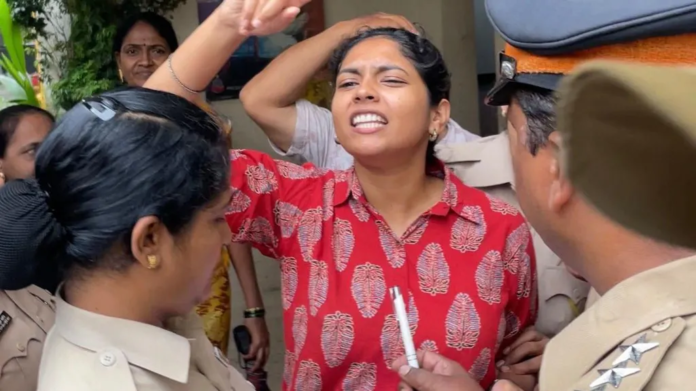
India’s youth have claimed a major political victory after Education Minister Dharmendra Pradhan resigned following days of nationwide protests over an exam leak scandal. The demonstrations, led largely by Generation Z activists, have become one of the biggest public challenges to Prime Minister Narendra Modi’s government in recent years.
Highlights
- India’s Education Minister Dharmendra Pradhan has resigned.
- The protests were sparked by a medical entrance exam paper leak.
- Nearly two million students were forced to retake the exam.
- Protesters are demanding education reforms and greater accountability.
- Activists say the movement is only just beginning.
Main Story
Exam Scandal Sparks Nationwide Anger
The protests began after India’s biggest medical entrance exam, NEET, was cancelled due to a question paper leak, forcing nearly two million students to sit the exam again.
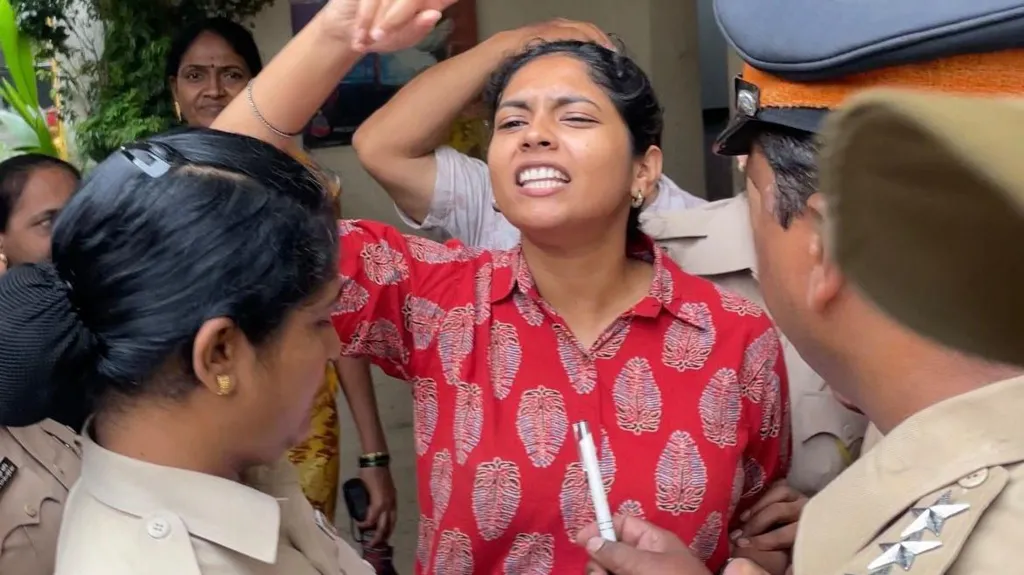
The controversy sparked national outrage, with reports that more than 20 students died by suicide after the scandal, leaving many families demanding justice and reforms.
Youth-Led Movement Gains Momentum
Much of the public anger was organised by the Cockroach Janta Party (CJP), a youth-led protest movement that called for Education Minister Dharmendra Pradhan’s resignation, education reforms and compensation for affected families.
What started as a small sit-in in New Delhi quickly grew into a nationwide movement after educator Sonam Wangchuk was removed by police while on a hunger strike.
Days later, tens of thousands of protesters marched toward Parliament, with videos showing clashes between demonstrators and police spreading rapidly across social media.
Social Media Drives the Movement
Platforms like Instagram became powerful tools for young activists, who shared videos of protests, arrests and police confrontations with millions of viewers.
Many protesters believe the government underestimated the movement because it failed to understand how young people use social media to organise and amplify their message.
A Rare Political Resignation
Pradhan’s resignation is being viewed as a significant moment in Indian politics, becoming only the second cabinet minister to step down during Prime Minister Narendra Modi’s years in office.
For many young protesters, the resignation is proof that peaceful demonstrations can still influence political decisions.
However, activists insist their campaign is far from over, saying they will continue pushing for reforms to improve India’s education system and prevent similar scandals in the future.
For India’s Gen Z, the resignation may be a victory but many believe it is only the beginning of a wider fight for accountability and lasting change.

