

As global economic uncertainty continues to rise, investors are increasingly asking one crucial question: Should you trust gold or Bitcoin to protect your wealth? While gold has served as a reliable store of value for centuries, Bitcoin has emerged as the digital alternative, attracting investors seeking portability, independence and long-term growth. But when it comes to surviving financial crises, each asset has its own strengths and weaknesses.
Highlights
- Gold has been a trusted store of value for thousands of years.
- Bitcoin is gaining popularity as a digital alternative to traditional banking.
- Gold functions without electricity or internet access.
- Bitcoin offers unmatched portability but depends on digital infrastructure.
- Financial experts suggest diversification rather than choosing one asset alone.
Main Story
Why Investors Are Comparing Gold and Bitcoin
Economic instability, inflation, geopolitical tensions and banking uncertainties have prompted many investors to rethink how they preserve their wealth.
For years, gold has been viewed as the ultimate safe-haven asset. More recently, Bitcoin has entered the conversation as a digital asset capable of moving wealth across borders with ease.
The debate is no longer just about which investment delivers higher returns it is increasingly about resilience during times of crisis.
Why Gold Still Holds Its Value
Gold has maintained its reputation as a dependable store of wealth for centuries.
Economists point out that physical gold is not tied to any government, financial institution or corporate balance sheet. This means its value does not depend on another party fulfilling financial obligations.
Because of this independence, gold has historically remained valuable during wars, financial crises and periods of economic instability.
Another key advantage is that gold requires no electricity, internet connection or digital network to retain its value or facilitate transactions.
Bitcoin’s Growing Appeal
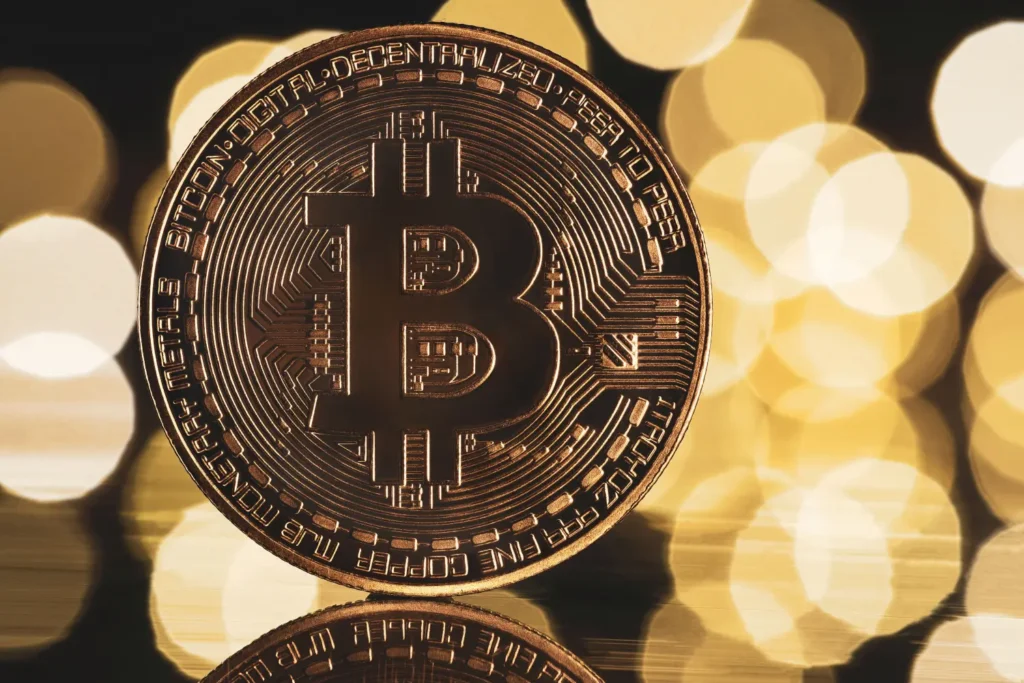
Bitcoin has transformed the investment landscape by offering a completely digital way to store and transfer wealth.
Supporters argue that it acts like a portable international bank account. Unlike physical assets, Bitcoin can be accessed anywhere in the world using a secure digital wallet or recovery phrase, making it attractive to individuals who may need to relocate quickly due to political instability or conflict.
This portability has helped Bitcoin gain support among younger investors and technology enthusiasts worldwide.
The Risks Facing Bitcoin
Despite its advantages, Bitcoin depends heavily on technology.
Every transaction requires internet connectivity and access to the blockchain network. A prolonged global internet outage, cyberattack or major disruption to telecommunications infrastructure could significantly limit its usability.
Although technologies such as satellite internet and decentralised communication networks may provide alternatives, they are not yet widely accessible in many parts of the world.
This technological dependence remains one of Bitcoin’s biggest vulnerabilities.
Gold vs Bitcoin: Which Is Better?
Gold offers stability, physical ownership and centuries of proven reliability during economic turmoil.
Bitcoin provides speed, portability and the potential for significant long-term growth but comes with higher price volatility and reliance on digital infrastructure.
Many financial experts now recommend diversification holding both traditional and digital assets to reduce risk and improve financial resilience.
The Future of Wealth Preservation
As the global financial system continues to evolve, both gold and Bitcoin are expected to play important roles in investment portfolios.
Rather than replacing one another, the two assets may complement each other, giving investors different tools to navigate uncertain economic conditions.
Whether you choose gold, Bitcoin or a combination of both, the most valuable investment may be understanding the risks before making financial decisions.

