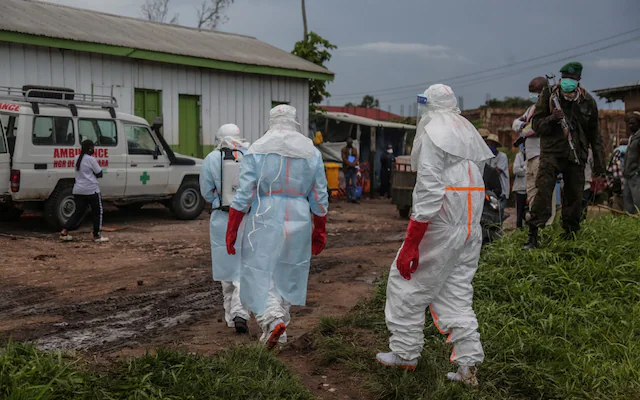
The Kenyan government has ordered an immediate suspension of a controversial Ebola quarantine facility being developed at Laikipia Air Base following mounting public pressure and a court directive. The project, which was intended to host potential Ebola-exposed individuals evacuated from the Democratic Republic of Congo, has sparked nationwide debate, legal challenges, and deadly protests.
Highlights
- Kenya has halted all preparations for the proposed Ebola quarantine facility in Laikipia.
- Health CS Aden Duale apologised in court after being cited for contempt.
- Rights groups accused the government of secretly developing the project.
- The facility was intended for potential Ebola evacuees from DR Congo.
- Protests against the project have left at least three people dead.
Main Story
Government Backs Down After Court Action
The Kenyan government has suspended all activities related to the proposed Ebola quarantine centre at Laikipia Air Base after Health Cabinet Secretary Aden Duale appeared before the High Court over failure to comply with an earlier court order.
Duale, who had been cited for contempt of court, apologised and assured the court that all construction, site preparation, and related activities would stop immediately pending the hearing and determination of a petition challenging the project.
The move marks a major victory for activists and residents who have been opposing the facility since its announcement.
Why the Facility Triggered Opposition
The quarantine centre was planned as a temporary isolation facility for potential Ebola-exposed US citizens being evacuated from the Democratic Republic of Congo, which is currently battling a significant outbreak of the disease.
The facility, located approximately 200 kilometres from Nairobi, was expected to accommodate up to 50 patients and be managed by American medical personnel.
However, many Kenyans questioned the decision to host potential Ebola carriers in a country that has never recorded a confirmed Ebola case.
Rights Groups Raise Transparency Concerns
Human rights organisations moved to court, arguing that the government had failed to involve the public in a matter that directly affects national health security.
The petitioners accused authorities of advancing the project without adequate consultation or disclosure, prompting the High Court to issue orders stopping further work until the matter is fully heard.
Despite the order, construction preparations reportedly continued, leading to the contempt proceedings against the Health CS.
Deadly Protests Rock Laikipia
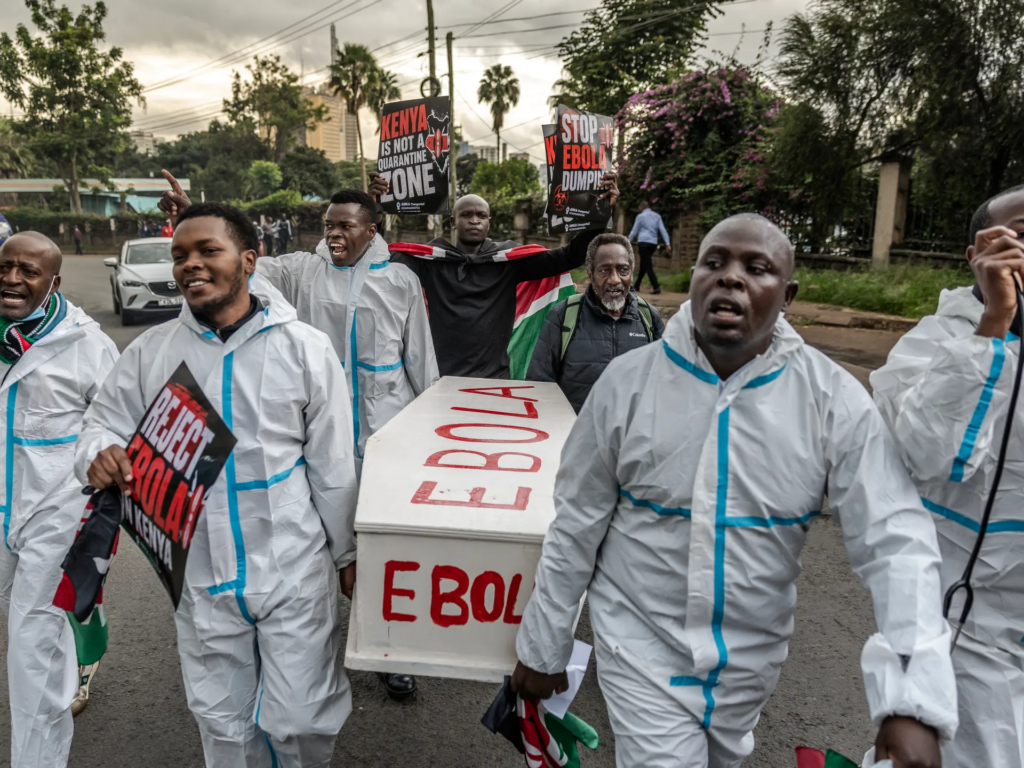
The controversy has fuelled demonstrations in Laikipia, where residents have staged protests against the facility.
Tensions escalated in recent weeks, resulting in violent clashes that have claimed at least three lives. The unrest has underscored the deep public concern surrounding the project and intensified calls for transparency from government officials.
Debate Extends Beyond Public Health
While the United States has pledged $13.5 million to strengthen Kenya’s Ebola preparedness and response capabilities, critics argue that the arrangement raises broader questions about national sovereignty and decision-making.
Some opponents have also criticised what they describe as unequal power dynamics in the agreement, saying Kenya should prioritise the safety and concerns of its citizens before entering into such partnerships.
What’s Next?
With construction now halted, attention shifts to the courts, which will determine whether the project can proceed.
For now, the suspension offers temporary relief to opponents of the facility, but the wider debate over public participation, health preparedness, and international partnerships is far from over.
As the court battle unfolds, the controversy serves as a reminder that public trust remains a critical ingredient in any policy touching on national health and security.

