
Australia has detected its first suspected case of the highly contagious H5 avian influenza strain on the mainland, marking a significant development as the country had remained the only continent free from the virus. The case was identified in a wild bird in a remote coastal area, prompting authorities to heighten surveillance and prepare for a possible coordinated national response.
Highlights
- Australia reports suspected first mainland case of H5 bird flu
- Detection made in Western Australia’s Cape Le Grand National Park
- A brown skua tested positive for avian influenza
- Further laboratory tests are underway to confirm the strain
- Authorities have activated preparedness measures for a possible outbreak response
Main Story
Suspected H5 Detection in Western Australia
Australian authorities have confirmed the detection of a suspected case of H5 avian influenza in a wild bird found in a remote area of Western Australia.
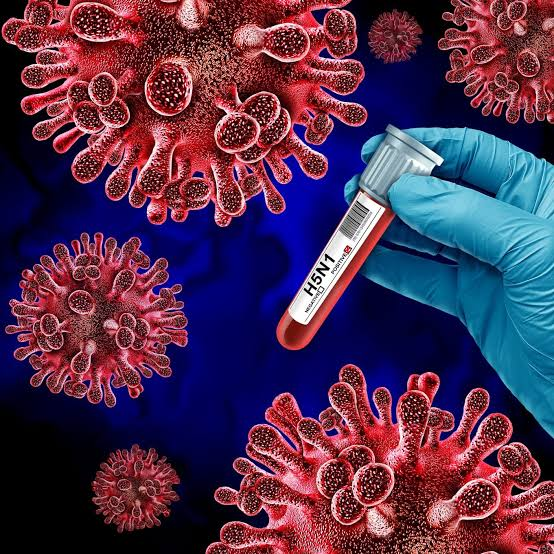
The bird, identified as a brown skua, was discovered in Cape Le Grand National Park, where it tested positive for avian influenza. Officials have since sent samples for further laboratory analysis to confirm whether the strain is indeed the highly pathogenic H5N1 virus.
If confirmed, this would represent the first known detection of the virus on Australia’s mainland, a major development in the global spread of bird flu.
Government Says Situation Taken Seriously
Western Australia’s Agriculture Minister Jackie Jarvis said authorities are treating the suspected case with urgency and caution.
She noted that preparations are already underway for a possible coordinated national response, depending on the final test results.
Officials emphasized that surveillance systems are active and that wildlife monitoring will be intensified in surrounding areas to assess potential spread among bird populations.
Australia’s Biosecurity Under Focus
Australia has long been the only continent without confirmed widespread H5N1 outbreaks, largely due to strict biosecurity measures and its geographic isolation.
The suspected detection has now raised concerns among health and agricultural experts about how quickly the virus could spread if confirmed, particularly among wild bird populations and poultry farms.
Biosecurity authorities are expected to review containment strategies and reinforce preventive measures across high-risk areas, including coastal habitats and farming zones.
Global Context of H5N1 Spread
The H5 avian influenza strain has spread across multiple continents in recent years, affecting wild birds, poultry, and in some cases mammals.
Experts warn that migratory bird routes continue to play a major role in transmitting the virus across regions, making early detection and rapid response critical in preventing outbreaks.
What Happens Next
Authorities are awaiting final confirmation of the virus strain through advanced testing. If H5N1 is confirmed, Australia is expected to activate a national emergency response plan involving federal and state agencies.Officials say the priority will be to contain any potential spread and protect both wildlife and agricultural industries from infection.
As Australia awaits confirmation, the suspected case serves as a reminder that in an interconnected world, even the most isolated ecosystems are no longer beyond the reach of global disease threats.

