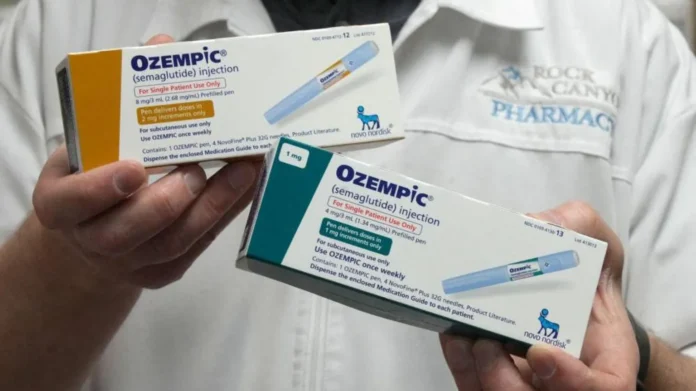
As demand for diabetes and weight-loss medications continues to surge, a major difference has emerged between Canada and the United States. While Canadians are beginning to see lower-cost generic versions of semaglutide enter the market, Americans remain largely dependent on the brand-name drug Ozempic, a contrast driven by patent disputes, regulatory policies, and pharmaceutical protections.
Highlights
- Canada has opened the door to generic semaglutide products.
- Patent challenges played a key role in Canada’s decision.
- Multiple US patents continue to protect Ozempic from generic competition.
- Drug pricing and accessibility remain major concerns for patients.
- Experts believe competition could reduce costs over time in Canada.
Main Story
The Growing Demand for Semaglutide
Semaglutide, the active ingredient in Ozempic, has become one of the most talked-about medications globally. Originally developed to help manage type 2 diabetes, the drug has also gained widespread popularity for its effectiveness in weight management.
Its success has sparked soaring demand, raising questions about affordability and access in different countries.
Why Canada Allows Generic Versions
Canada’s pathway to generic semaglutide began after a legal dispute involving patent protection for the medication.
Following the challenge, one of the key patents covering semaglutide lost its protection in Canada, creating an opportunity for other pharmaceutical manufacturers to develop alternative versions of the drug.
This shift has enabled regulators to evaluate and authorize generic products, introducing competition into a market that was previously dominated by a single manufacturer.
The US Takes a Different Approach
South of the border, the situation remains far more restrictive.
Novo Nordisk, the company behind Ozempic, continues to hold several patents connected to semaglutide in the United States. These protections cover various aspects of the medication, including its formulation, production methods, and approved uses.
Because of these ongoing protections, generic manufacturers have faced significant barriers to entering the US market.
Regulatory Hurdles Extend Market Exclusivity
Beyond patent rights, US pharmaceutical regulations include exclusivity provisions that can further delay competition.
Before a generic drug can reach consumers, manufacturers must demonstrate that their product performs the same way as the original medicine and meets strict regulatory standards. This process can take years and often requires extensive documentation and review.
As a result, patients have fewer alternatives available even when demand for the medication continues to grow.
Impact on Patients and Healthcare Costs
The absence of generic competition has contributed to higher prices for Ozempic in the United States compared to many international markets.
Patients, healthcare providers, insurers, and policymakers have increasingly scrutinized the cost of diabetes and obesity treatments, particularly as these medications become more widely prescribed.
Meanwhile, Canada’s introduction of generic options could gradually increase affordability, though experts caution that lower prices may not happen overnight.
Competition Could Change the Market
Industry observers note that approval is only the first step for generic manufacturers.
Companies must still ramp up production, establish supply chains, and distribute products across pharmacies and healthcare networks before patients experience the full benefits of increased competition.
Even so, the arrival of generic alternatives is widely viewed as a significant development that could influence future pricing trends.
A Lesson in How Drug Policies Shape Access
The differing experiences of Canada and the United States demonstrate how legal decisions and regulatory frameworks can directly affect healthcare access.
For millions of people managing diabetes or obesity, those policy differences may ultimately determine whether life-changing medications remain expensive prescriptions or become affordable treatment options.
Read Also
- Stolen Goods Worth Sh900,000 Recovered After Kileleshwa House Burglary
- Tragedy in Buruburu as 39-Year-Old Man Dies in Apartment Fire
- Loreto High School Limuru Closed Indefinitely Following Student Unrest

