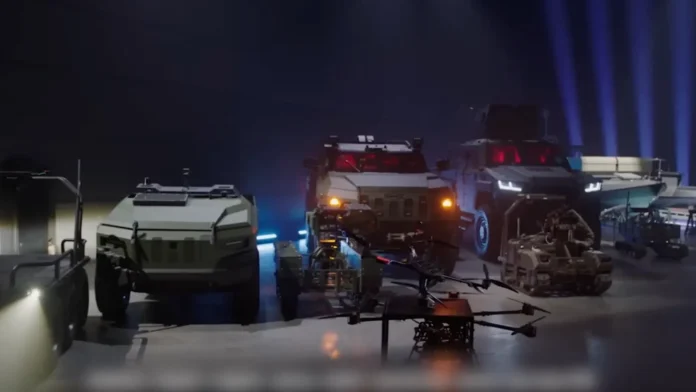
A new kind of warfare is taking shape on the battlefields of Ukraine, where machines are increasingly sharing, if not replacing, roles once reserved for soldiers. From explosive-laden drones to AI-assisted surveillance systems and unmanned ground vehicles, the war is evolving into a high-tech struggle where speed, data, and automation are becoming just as critical as firepower.
Highlights:
- Small commercial drones are now widely used for surveillance and precision strikes
- Unmanned ground vehicles are handling logistics, evacuation, and explosive tasks
- AI systems are speeding up battlefield analysis and decision-making
- Low-cost tech is driving a “mass production war economy”
- Experts say warfare is shifting into a human-machine hybrid model
Main Story:
A New Kind of Battlefield Emerges
The conflict in Ukraine is increasingly being viewed as more than a traditional war. Military analysts describe it as a real-time laboratory for “robotised warfare,” where advanced technology is rapidly changing how combat unfolds.
Alongside tanks and artillery, a growing network of drones, automated systems, and remote-controlled machines is reshaping frontline dynamics in ways never seen before.
Drones Dominate the Skies
One of the most visible changes has been the rise of small drones adapted from commercial use. Initially designed for photography and civilian applications, these devices are now central to modern combat operations.
First-person view (FPV) drones, operated remotely through goggles, are being used for reconnaissance, targeting artillery, and even direct attacks. Their affordability and precision have made them a powerful tool on both sides of the conflict.
As a result, the traditional idea of a “safe rear zone” has nearly disappeared, with drone operators capable of striking targets far beyond the visible front line.
Ground Robots Take On Dangerous Roles
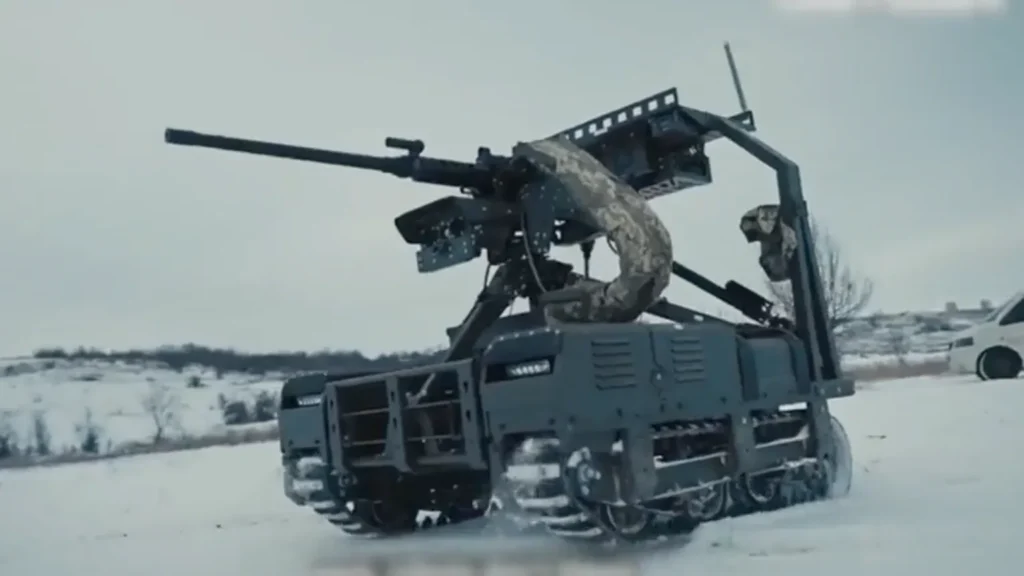
Beyond aerial systems, unmanned ground vehicles are slowly making their way into active service. These machines are being deployed for tasks such as delivering supplies, evacuating wounded personnel, and handling explosives in high-risk areas.
Although still limited in number, they represent an early step toward fully automated battlefield logistics systems designed to reduce human exposure to danger.
AI Accelerates the Pace of War
Artificial intelligence is also playing a growing role in supporting military operations. AI-powered systems can quickly analyse drone footage, detect movement patterns, and assist in identifying potential targets.
While human operators remain in control, the speed at which information is processed is dramatically shortening decision-making timelines, from minutes to seconds.
A Cheaper, Faster Arms Race
Unlike traditional military equipment that often costs millions, many drones used in the conflict are assembled for just a few hundred dollars. This shift has created what analysts describe as a “mass production war economy,” where quantity, adaptability, and speed of deployment are increasingly important.
Civilian engineers, volunteer groups, and small workshops have also become key contributors to supply chains, blurring the line between military and civilian innovation.
New Forms of Risk and Warfare
While robotic systems reduce direct human exposure, they introduce new vulnerabilities. Drones and automated systems can be jammed, hacked, or misdirected through electronic warfare tactics.
This has made control over communication systems and digital networks just as important as physical control of territory. At the same time, soldiers now face invisible threats from remote operators and automated strikes that can occur without warning.
What the Future Battlefield Could Look Like
Experts believe the Ukraine conflict offers a preview of future wars. These could include coordinated drone swarms, AI-assisted targeting networks, and fully automated supply chains supporting frontline operations.
However, despite rapid technological advancement, human soldiers remain central to military strategy. The emerging reality is not replacement, but integration, where humans and machines operate side by side in increasingly complex environments.
Read Also:
- Oil Prices Drop as US Pauses ‘Project Freedom’ for Iran Talks
- Tax Changes Ahead as KRA Plans Direct Link with M-Pesa Payments
- Food labels have far-reaching effects on our health

