
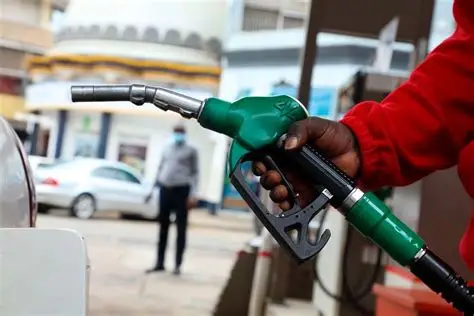
Kenyans are once again grappling with higher living costs after a sharp rise in fuel pump prices pushed transport and basic commodity prices upward. The latest review has sparked concern among motorists, commuters, and businesses, with many already feeling the financial strain across major towns like Nairobi.
Highlights
- Fuel prices for petrol, diesel, and kerosene have recorded a significant increase
- Transport fares in Nairobi and other towns are already rising
- Matatu operators and logistics firms warn of shrinking profit margins
- Cost of basic goods expected to rise due to transport inflation
- Public concern grows over affordability and economic pressure
Main Story
Sharp Increase at the Pump
The latest fuel review has delivered a major blow to consumers, with prices for petrol, diesel, and kerosene all going up noticeably. The adjustment reflects global oil market fluctuations, currency pressures, and local taxes that continue to influence final pump prices.
The Energy and Petroleum Regulatory Authority (EPRA) maintains that the changes are consistent with its pricing formula, which factors in import costs and market trends.
Commuters Feeling the Impact in Cities
In Nairobi, commuters are already reporting changes in their daily travel costs. Matatu fares on common routes have started edging up, while ride-hailing services are also adjusting prices in response to higher fuel expenses.
For many daily wage earners, the increase has created immediate pressure, forcing some to reconsider how often they travel or how much they spend on transport each week.
Transport Operators Raise Concerns
Public service vehicle operators and long-distance truck drivers say the new prices are tightening already thin profit margins. Many are now reducing trips or adjusting schedules in a bid to manage fuel consumption.
Businesses reliant on logistics are also feeling the strain, with delivery costs rising and operational efficiency becoming harder to maintain.
Cost of Living Expected to Rise Further
Economists warn that fuel price increases often trigger a chain reaction across the economy. As transport becomes more expensive, the cost of moving goods also rises, eventually affecting retail prices.
Essential commodities such as food items and packaged goods are expected to become more expensive if fuel prices remain elevated in the coming weeks.
Public Reaction and Growing Concern
Across the country, there are growing calls for government intervention to cushion consumers. Proposed measures include tax adjustments, price stabilization mechanisms, and greater investment in affordable public transport systems and renewable energy alternatives.
For many households, however, the immediate concern remains how to absorb the rising daily cost of living.
Global Pressure Behind Local Prices
Fuel price volatility continues to be driven by global market forces, including supply fluctuations and geopolitical tensions. Countries like Kenya, which rely heavily on imports, remain particularly vulnerable to these changes.
Read Also
- Horror at Sea: Hundreds of Rohingya and Bangladeshi Migrants Missing After Boat Sinks
- Court Orders Australia’s Richest Woman to Share Mining Fortune
- Britney Spears Seeks Help One Month After DUI Incident

