
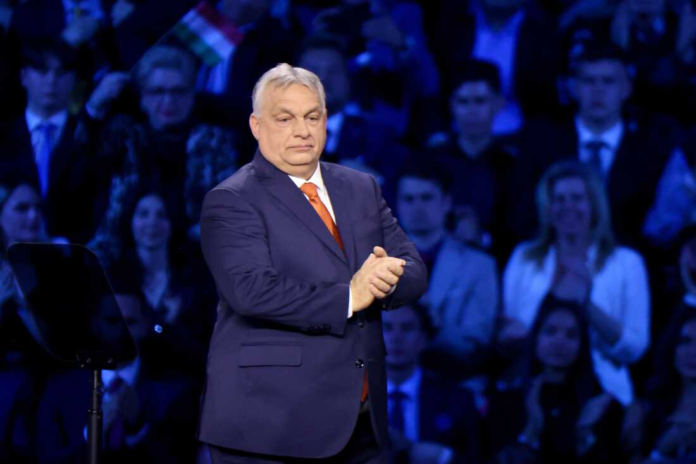
After more than a decade and a half at the helm, Viktor Orbán has been voted out of power in a dramatic election that signals a major turning point for Hungary. With a record voter turnout, citizens backed opposition leader Péter Magyar and his fast-rising Tisza Party, ushering in what many are calling a new democratic chapter for the country.
Highlights
- Orbán loses power after 16 years in a landslide defeat
- Péter Magyar’s Tisza party projected to secure a two-thirds parliamentary majority
- Voter turnout hits nearly 80%, reflecting strong public demand for change
- Hungary expected to rebuild ties with the EU and shift away from Russia
- Youth dissatisfaction and corruption concerns drive the political shake-up
Main Story
A Historic Political Shake-Up
Hungary has witnessed one of its most significant political transitions in decades following the defeat of long-serving Prime Minister Viktor Orbán. After 16 years in power, his leadership came to an end as voters overwhelmingly chose opposition figure Péter Magyar.
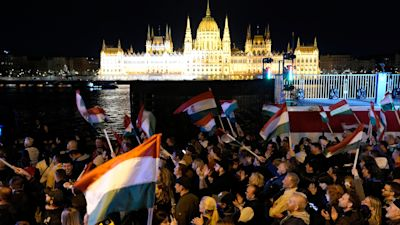
Magyar’s Tisza Party is projected to win a commanding two-thirds majority in parliament a crucial threshold that allows sweeping constitutional and institutional reforms. This means the incoming government will have the authority to undo several controversial policies introduced during Orbán’s tenure.
Why Hungarians Voted for Change
The election results reflect growing frustration among citizens, particularly young people, over economic challenges, alleged corruption, and concerns about democratic backsliding. Orbán’s governance style often described as “illiberal democracy” had increasingly drawn criticism both domestically and across Europe.
With nearly 80% voter turnout, Hungarians made a decisive statement: a desire to move toward transparency, accountability, and stronger democratic institutions.
A Shift Toward Europe
A central pillar of Magyar’s campaign was restoring Hungary’s relationship with the European Union and strengthening ties with NATO. His victory signals a likely end to years of tension between Hungary and its European partners.
This shift could unlock billions in frozen EU funds that had been withheld due to rule-of-law concerns under Orbán’s administration. Magyar has pledged to build a “more humane and better functioning country,” aligning Hungary more closely with mainstream European values.
Global Implications
Orbán had built close ties with Vladimir Putin, often resisting EU sanctions and blocking aid to Ukraine. With a new government in place, Hungary is expected to reverse this stance, supporting European efforts in the ongoing conflict.
His defeat also sends ripples across global politics. Orbán had been a key figure for far-right movements worldwide, with backing from leaders like Donald Trump. The loss weakens that ideological network and could reshape conservative politics beyond Hungary.
Despite the defeat, Viktor Orbán has vowed to remain active in politics, transitioning into an opposition role for the first time since 2010. Meanwhile, the incoming administration is expected to prioritize anti-corruption reforms, economic recovery, and improvements in public services such as healthcare.
Hungary’s vote wasn’t just about leadership it was a bold statement about the kind of future its people are ready to fight for.

