
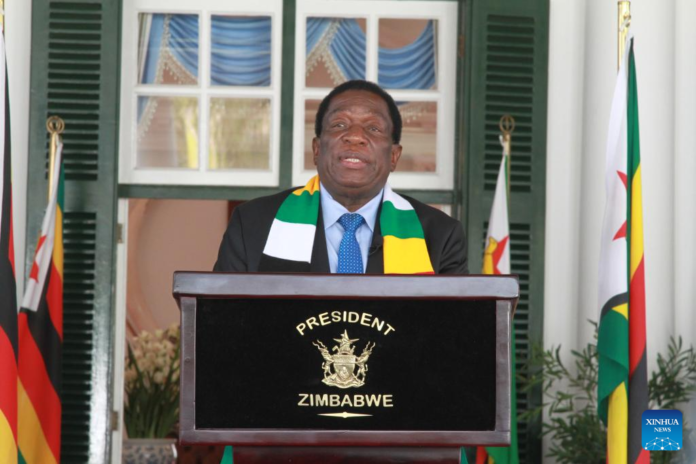
A heated debate is gripping Zimbabwe as a controversial proposal to scrap or delay presidential elections emerges. Citizens, lawmakers, and civil society groups are sharply divided, with discussions reflecting broader anxieties over democracy, governance, and the country’s political future.
Highlights
- Proposal seeks to delay or remove presidential elections, extending the current term
- Supporters cite political stability; critics warn of authoritarian drift
- Zimbabweans are split, with public sentiment highly polarized
- Potential constitutional amendments may require parliamentary approval or a referendum
- Move could affect international relations, investor confidence, and democratic norms
Main Story
What’s on the Table
The proposal under consideration involves significant constitutional changes that could either postpone or eliminate presidential elections altogether. It may also shift leadership selection away from direct public voting, effectively extending the current president’s term in office.
Proponents argue this could provide political stability and ensure continuity during economic or governance reforms, particularly amid challenging national circumstances.
Why Critics Are Alarmed
Opposition leaders, pro-democracy activists, and civil society groups warn that scrapping elections threatens democratic principles and risks concentrating power in the executive. Many point to the importance of upholding gains made since the end of Robert Mugabe’s long rule, seeing the move as a potential step backward for Zimbabwe’s democratic development.
Political Reactions
- Supporters: Allies of President Emmerson Mnangagwa defend the proposal, framing it as necessary for national progress and stability.
- Opposition: Parties linked to the Citizens Coalition for Change have denounced the idea, calling for free and fair elections and stressing citizens’ right to choose their leaders.
Public Opinion
The nation itself is deeply divided. Some citizens back the proposal, citing election fatigue and political instability, while others fear a slide into authoritarianism and the erosion of voting rights. Social media debates and street discussions show a country wrestling with the future of its democracy.
Broader Implications
If enacted, the proposal could:
- Strain Zimbabwe’s relationships with international partners
- Draw criticism from democracy watchdogs
- Reduce investor confidence due to uncertainty over governance
Next Steps
Implementing the proposal would require formal constitutional amendments, including:
- Parliamentary approval
- Potentially, a national referendum
For now, the nation remains at a pivotal moment, balancing between political reform and maintaining democratic tradition.
Read Also
- INS Trikand Docks in Mombasa as Kenya and India Deepen Military Ties
- Oil Prices Crash, Stocks Surge After US–Iran Ceasefire Deal
- Tensions Ease as US and Iran Seal Fragile Ceasefire Agreement

