
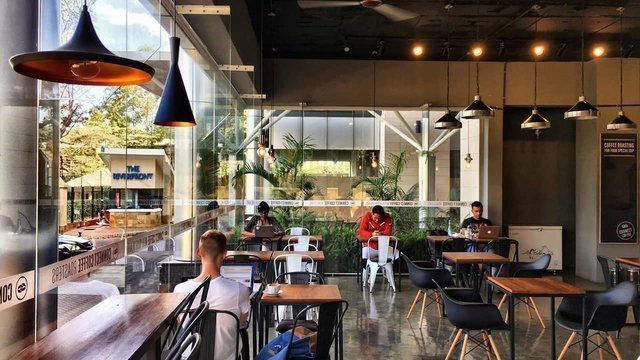
In Nairobi, the idea of a traditional office is quickly fading. Today, productivity often looks like a laptop open on a café table, a steaming cup of coffee nearby, and a buzzing atmosphere that blends work and lifestyle. What started as a casual trend has grown into a full-blown work culture shift.
Highlights
- Cafés across Nairobi are doubling as informal workspaces
- Lower costs compared to co-working spaces are driving the shift
- Flexibility and convenience appeal to freelancers and remote workers
- Demand for Wi-Fi, charging spots, and comfort has reshaped café setups
- The trend reflects a broader global move toward remote work
Main Story
Coffee Shops Turned Work Hubs
Across neighbourhoods like Kilimani and Westlands, cafés are no longer just for catch-ups and quick bites. They’ve evolved into everyday workstations for a growing number of freelancers, creatives, and entrepreneurs.
Many of these spaces now come equipped with reliable internet, accessible charging points, and comfortable seating features that make it easy to settle in for hours of uninterrupted work. The calm yet lively ambiance adds to their appeal, offering a balance that traditional offices sometimes lack.
Affordable Workspaces Win
Cost remains one of the biggest reasons behind this shift. Renting a desk in a co-working space can be expensive, especially for individuals or small teams working on tight budgets.
Cafés, on the other hand, provide a more budget-friendly alternative. With just the price of a meal or a couple of drinks, workers gain access to internet, seating, and a conducive environment. For many young professionals, this setup offers real value without long-term financial commitments.
Freedom and Flexibility
The appeal of café workspaces goes beyond affordability. Unlike structured office environments, cafés allow people to work on their own terms.
There are no contracts to sign, no fixed schedules to follow, and no pressure to stay beyond one’s comfort. This freedom aligns perfectly with the needs of freelancers and digital workers whose routines are often unpredictable and project-based.
A Shift in Work Culture
Nairobi’s café workspace trend is also part of a wider global transformation. More professionals are working remotely, taking on international clients, or building online businesses.
This shift has increased demand for flexible work environments that support mobility and independence. Cafés have naturally stepped in to fill that gap, offering spaces that are both functional and social.
Disrupting Traditional Offices
Interestingly, cafés are not just complementing office spaces they’re challenging them. Many workers now question the value of expensive co-working memberships when cafés provide similar essentials at a fraction of the cost.
In response, some cafés are intentionally designing work-friendly environments. From quieter sections to special offers for long stays, they are adapting to attract this growing segment of customers.
Not Without Challenges
While cafés offer convenience, they are not perfect. Noise levels can rise during peak hours, seating may be limited, and privacy is not always guaranteed.
Even so, for many Nairobi professionals, these drawbacks are manageable compared to the benefits of affordability, accessibility, and flexibility.
Read Also
- Inside Kim Jong Un’s Latest Power Move in North Korea
- Former Kirinyaga Senator Daniel Karaba Passes Away
- Shock and Outrage as Gospel Singer Mary Claire Survives Acid Attack

