

Nuclear weapons remain one of the most powerful and controversial tools in global politics. While only a handful of countries possess them, their existence shapes international relations, security, and the balance of power across the world. While they are rarely used, their presence continues to shape global politics, influence alliances, and keep rival nations in a delicate balance of fear and control.
Highlights
Russia leads with the highest number of nuclear weapons, followed by the United States
Only a few countries in the world possess nuclear arsenals
Nuclear weapons are mainly kept to prevent war through fear
Their existence reinforces global power and political influence
If used, the consequences would be catastrophic and long-lasting
Main Story
The Global Nuclear Hierarchy
When it comes to nuclear strength, Russia sits at the top with the highest number of warheads worldwide. Not far behind is the United States, making the two countries dominant forces in global military power.
Beyond these two giants, several other nations also maintain nuclear capabilities. These include China, France, and the United Kingdom, which are considered established nuclear states.
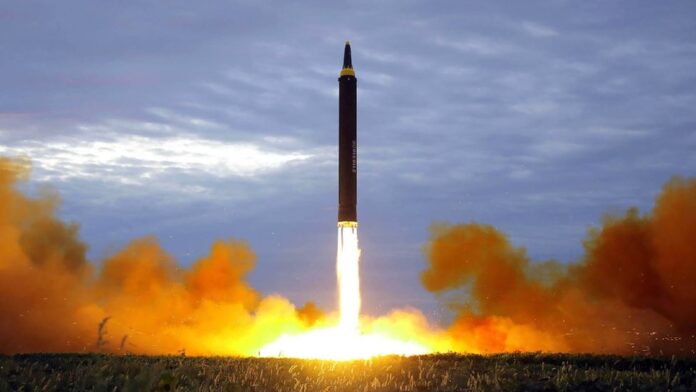
In Asia, India and Pakistan continue to expand their arsenals amid long-standing regional tensions. Meanwhile, North Korea has drawn global attention for its weapons testing, and Israel is widely believed to possess nuclear weapons, though it has never officially confirmed it.
Why Nuclear Weapons Still Matter
Deterrence: The Balance of Fear
At the core of nuclear weapons strategy is deterrence the idea that possessing such destructive power discourages enemies from attacking. Simply put, if two countries both have nuclear weapons, neither is willing to risk a war that could lead to mutual destruction.
This concept has played a major role in preventing direct conflict between powerful nations for decades.
A Symbol of Global Influence
Nuclear weapons are not just about defense they are also about status. Countries like Russia and the United States use their nuclear capabilities to maintain a strong presence in global decision-making.
Possessing such weapons often places a nation in a powerful position diplomatically and militarily, giving it a louder voice on the world stage.
The Devastating Reality
Despite their strategic importance, nuclear weapons remain one of the most dangerous inventions in human history. A single nuclear explosion can:
Destroy an entire city within seconds
Kill millions instantly
Leave behind radiation that affects generations
The long-term environmental damage can also disrupt ecosystems and global climate patterns, making recovery extremely difficult.
Rising Tensions and Arms Races
The existence of nuclear weapons can also fuel competition. When one country increases its arsenal, others often feel the need to match or surpass it. This creates an arms race, raising tensions and increasing the risk of conflict.
A clear example of this can be seen between India and Pakistan, where historical conflicts continue to influence military buildup.
Global Efforts to Reduce the Threat
Recognizing the danger, international organizations like the United Nations have pushed for treaties aimed at reducing nuclear weapons and preventing their spread.
While progress has been made, complete disarmament remains a challenge due to political interests and security concerns. In a world where peace is often maintained by the threat of destruction, the real question is—how long can this balance of power truly last?
Read Also
Mental Health Matters: Why More Kenyan Youth Are Speaking Out
Inside Kenya’s Growing Fight Against Drug Abuse
How Digital Culture Is Shaping the Modern Kenyan Lifestyle
Published:
- Advertisement -
