

That “just one more scroll” habit before bed might feel harmless, but it could be quietly rewiring your brain, disrupting your sleep, and affecting your mental health more than you realise.
Highlights:
- Doomscrolling overstimulates the brain before sleep
- It can increase anxiety and negative thought patterns
- Blue light from screens disrupts natural sleep cycles
- Poor sleep impacts mood, focus, and productivity
- Experts recommend setting digital boundaries at night
Main Story:
What Is Doomscrolling?
Doomscrolling refers to the habit of endlessly consuming negative or distressing content online, often late at night. Whether it’s bad news, social media drama, or worrying updates, the cycle can be hard to break.
For many young people, it’s become part of a nightly routine, even when they know it’s not helping.
How It Affects Your Brain
When you scroll through stressful content before bed, your brain stays in a heightened state of alertness. Instead of winding down, it’s processing anxiety-inducing information, making it harder to relax or fall asleep.
Over time, this can reinforce negative thinking patterns and increase feelings of stress or unease.

Sleep Takes a Hit
Your body relies on a natural sleep rhythm, but screen exposure at night interferes with that process. The blue light emitted by phones suppresses melatonin, the hormone that signals it’s time to sleep.
The result? You stay awake longer, sleep less deeply, and wake up feeling drained.
The Mental Health Impact
Poor sleep combined with constant exposure to negative content can take a toll on your mental health. It can lead to irritability, reduced focus, and even symptoms linked to anxiety.
What feels like a quick scroll can quickly turn into a cycle that’s difficult to break.
How to Break the Habit
Cutting down on doomscrolling doesn’t mean giving up your phone completely, it’s about setting boundaries.
Try creating a “no-phone” window before bed, switching to calming activities like reading or listening to music, or using night mode settings to reduce blue light.
Even small changes can help your brain slow down and prepare for rest.
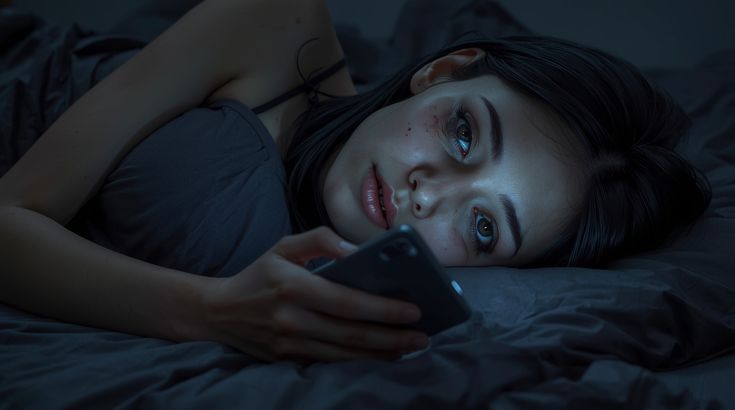
Sometimes the healthiest thing you can do before bed isn’t another scroll, it’s simply switching off.
Read Also:
- 10,000 Steps a Day: Fitness Essential or Just a Trend?
- High-Protein Foods That Keep You Full While Staying in a Calorie Deficit
- Struggling With Breakouts? These Easy Skin Tips Can Help

