
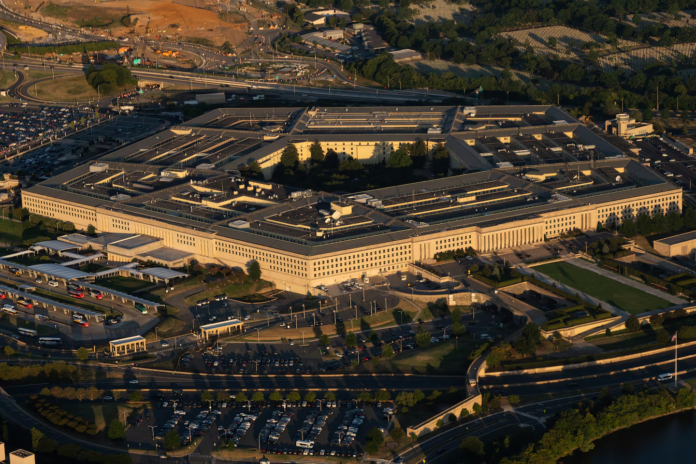
The United States is staring at a staggering military bill after the Department of Defense reportedly pushed for over $200 billion (approx. KSh 26 trillion) to fund its ongoing conflict with Iran. The proposal, now awaiting the White House’s green light, could spark a fierce political showdown in Washington.
Highlights:
- Pentagon has requested over $200 billion to sustain the Iran war
- The proposal must first be approved by the White House before heading to Congress
- Lawmakers are expected to fiercely debate the massive spending plan
- The cost of the conflict has already surged within a short time
Main Story:
A Record-Breaking Military Request
The US Department of Defense has made one of its largest funding requests in recent history, seeking more than $200 billion to support military operations linked to the Iran conflict. The amount reflects the growing financial strain of sustaining a large-scale war effort.
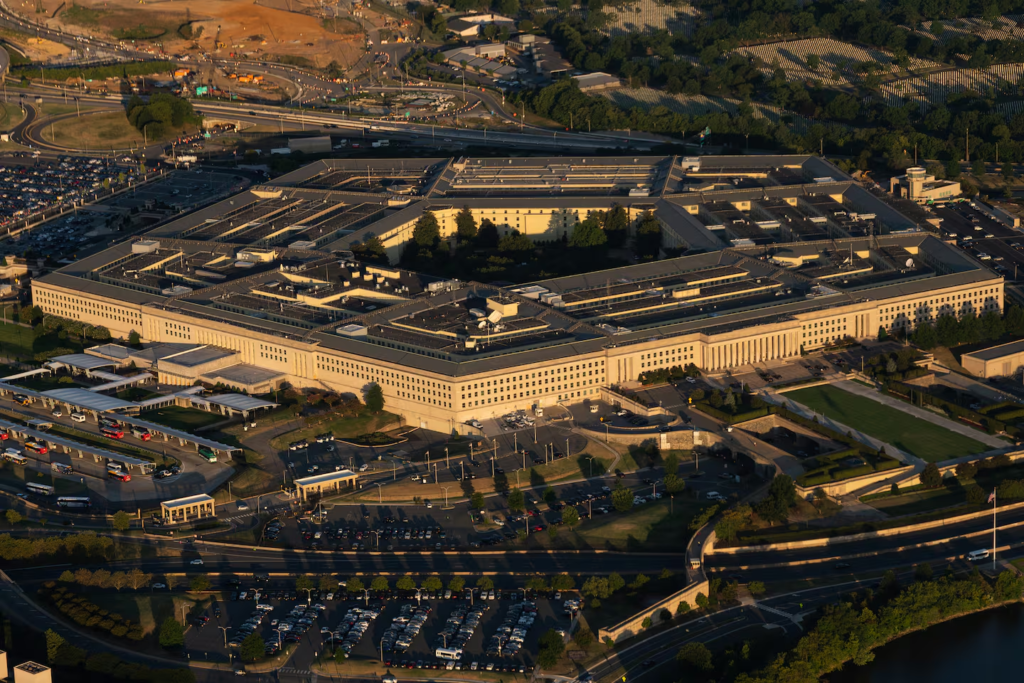
If approved by the White House, the proposal will be forwarded to Congress, where legislators will decide whether to authorize the funds.
What the Money Will Cover
The requested budget is expected to cater for a wide range of military needs. These include advanced weapon systems, troop deployment, logistics, intelligence operations, and long-term combat readiness.
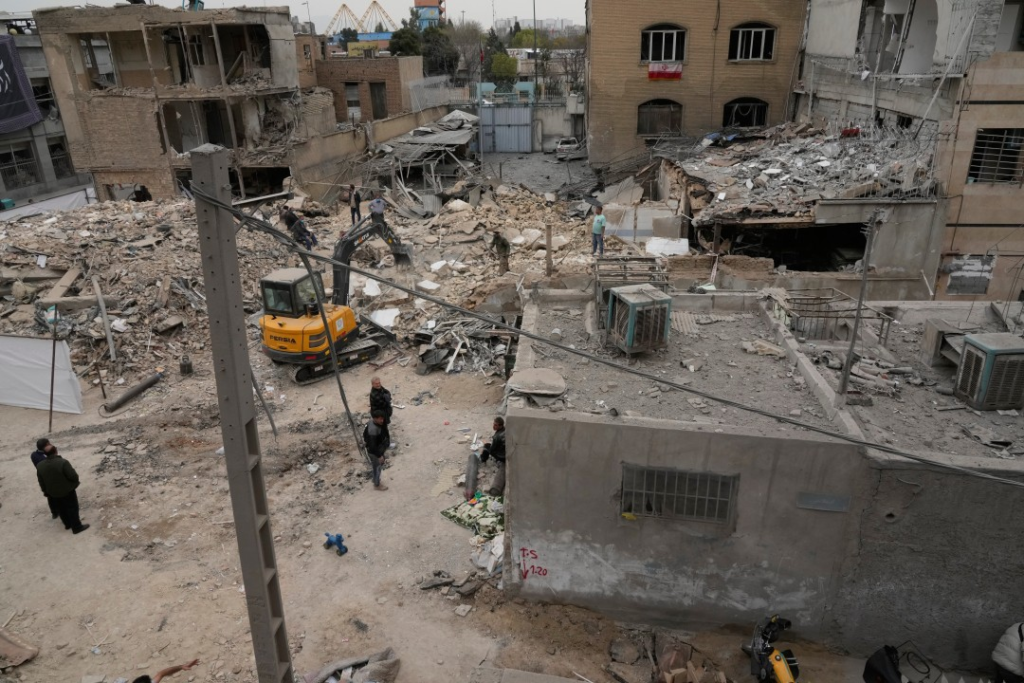
War-related expenses tend to escalate quickly, and early reports suggest that billions have already been spent within the initial phase of the conflict.
Political Tensions Expected
The proposal is likely to ignite heated debate among US lawmakers. Some leaders are questioning both the scale of the spending and the broader strategy behind the war.
There are also concerns about how much authority the president should have in continuing military operations without broader congressional oversight.
For now, the request remains a proposal. The White House must first review and approve it before it reaches Congress. Even then, there is no guarantee it will pass without significant revisions or resistance.
The coming weeks could shape not only the future of the conflict but also America’s economic and political direction.
As the numbers climb and tensions rise, one question lingers how much is too much when it comes to the cost of war?

