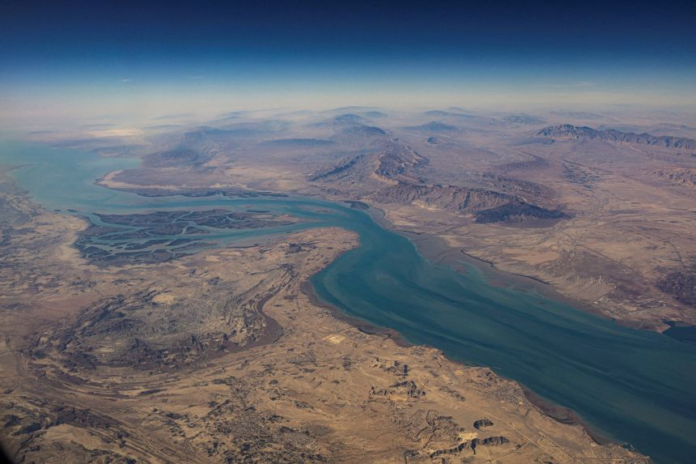
Iran is considering a bold new strategy that could reshape global trade introducing a system to control movement through the Strait of Hormuz and potentially charge ships for passage. The move is already raising alarms worldwide, as governments and markets react to the possibility of restricted access to one of the most critical النفط routes on the planet
Highlights:
- Iran plans to introduce a new system governing the Strait of Hormuz
- Proposal may include charging ships toll fees for passage
- The strait carries a significant share of the world’s oil supply
- Global powers have raised legal and economic concerns
- Oil prices are reacting to growing uncertainty
Main Story:
A Strategic Chokepoint Under Pressure
The Strait of Hormuz remains one of the most important maritime routes globally, acting as a narrow gateway for a large portion of the world’s oil exports. Any disruption or change in how it operates has immediate ripple effects across international markets.
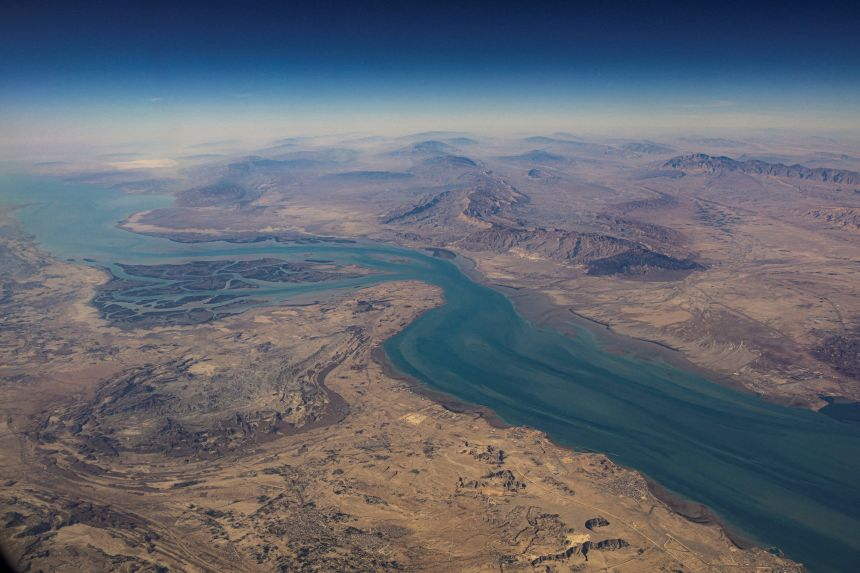
Iran’s latest proposal seeks to establish a structured system that would give it tighter control over vessels moving through the waterway.
The Toll Proposal
At the center of the plan is a controversial idea requiring ships to pay for safe passage. Lawmakers in Iran are reportedly working on measures that would formalize these charges, turning the strait into a regulated corridor where transit comes at a cost.
Supporters of the move argue it could help Iran counter economic pressure and assert its influence over a route that sits within its geographic reach.
Power, Politics, and Leverage
Beyond economics, the proposal reflects a broader geopolitical strategy. By tightening its grip on the strait, Iran could gain significant leverage in ongoing regional tensions, effectively influencing who gets access and under what conditions.
This comes at a time when the region is already experiencing heightened military and political strain.
Global Backlash Builds
The response from the international community has been swift. Critics argue that imposing tolls on such a vital international waterway could violate global maritime laws and disrupt free trade.
Major economies are particularly concerned about the potential for supply chain interruptions and rising energy costs if the plan moves forward.
Economic Shockwaves
Even without implementation, the idea alone has stirred markets. Oil prices have shown signs of volatility, reflecting fears that restricted access could tighten global supply.
For countries already grappling with high fuel costs, the impact could be significant from increased transport expenses to broader economic strain.
As pressure builds, the world is left watching one question unfold what happens when a global lifeline becomes a controlled gateway?

