
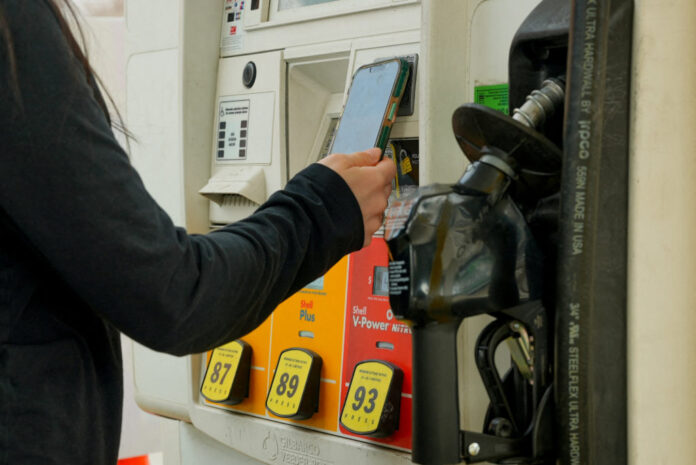
The U.S.-Israel strike on Iran has unleashed the most severe oil supply disruption in decades, sending fuel prices skyrocketing around the world. With the Strait of Hormuz closed and Gulf nations slashing production, consumers are already feeling the pinch at the pumps. The crisis is not just regional; it’s a global shock that could reshape energy markets and inflation for months to come.
Highlights
- Gulf oil production cut by ~10 mbpd; Strait of Hormuz nearly blocked.
- Diesel in the U.S. hits $5/gal; gasoline climbs to $3.70/gal.
- Global LNG and refined fuel exports disrupted, especially from Qatar and UAE.
- IEA authorises historic 400 Mb release from strategic reserves to ease shortages.
- Oil futures surge, volatility spikes, and inflation fears mount worldwide.
Main Story
Conflict and Supply Shock
The Iran war began on 28 February 2026, with coordinated U.S.-Israel air strikes targeting Iranian facilities. Within days, Iran closed the Strait of Hormuz, a key artery for nearly 20 mbpd of global oil and LNG. Missile and drone attacks hit regional terminals in Fujairah (UAE) and Duqm (Oman), while Gulf nations, including Saudi Arabia, Iraq, UAE, and Kuwait, cut production sharply. Combined, these moves removed roughly 10 mbpd of oil from the market.
Iran’s own exports continued, largely unaffected by sanctions, keeping around 1.1–1.5 mbpd flowing. Meanwhile, Qatar halted LNG production, taking 20% of global supply offline, further tightening energy availability.
Shipping and Insurance Disruptions
With Hormuz closed, tanker traffic fell to near zero. Insurance premiums skyrocketed, war-risk coverage jumped from 0.25% to 3% of vessel value, and freight costs for Very Large Crude Carriers tripled. Tankers are being rerouted via the Cape of Good Hope, adding weeks to deliveries. Combined with Houthi threats off Yemen, the situation has created a global shipping bottleneck, amplifying price pressures.
Refinery Shutdowns and Fuel Prices
Gulf refineries handling over 3 mbpd of oil were idled due to attacks and precautionary measures. Diesel and jet fuel supplies tightened first. In the U.S., diesel hit $5/gal, and gasoline averaged $3.76/gal by mid-March. Europe and Asia face similar price pressures, with jet fuel in Asia nearing $200/barrel. Retail prices are rapidly reflecting global crude surges, while supply chain disruptions ripple through transport and industrial sectors.
Market Reactions and Speculation
Oil futures soared, with Brent briefly touching $119/barrel. Volatility indexes spiked to multi-year highs as traders reacted to each development. Speculative activity increased, with major banks revising forecasts upward. The conflict has turned oil prices into a barometer of geopolitical risk, influencing inflation expectations and central bank policy worldwide.
Economic and Inflation Impacts
High fuel prices are reigniting inflation fears. Analysts estimate that sustained oil prices at current levels could push Eurozone inflation up by 1 percentage point and affect U.S. consumer indices in April–May. Emerging markets are especially vulnerable to rising import bills, while advanced economies face slower growth if prices remain elevated. Some demand reduction has already appeared, including flight cancellations and reduced industrial fuel use.
Outlook
- Short-term: Prices remain volatile; Brent/WTI may hover $100–120/barrel. Diesel and jet fuel likely to surge further if Hormuz stays blocked.
- Medium-term: Alternative pipelines (Red Sea, Turkey) could restore 5-7 mbpd, easing prices to $80–100 if hostilities remain contained.
- Long-term: Non-OPEC supply may gradually offset shortages; prices could return to $70–80/barrel by 2027. The crisis, however, highlights persistent geopolitical risk premiums and vulnerability to chokepoint disruptions.
Governments, shippers, and consumers must adapt to an uncertain landscape where high fuel costs and inflation are likely for months. Strategic reserves, alternative supply routes, and risk premiums will define how markets respond.
Read Also
- Global Oil Crisis Explained: Why Pump Prices Are Surging Now
- Music Piracy 2.0: Telegram Channels Killing The Kenyan Music Industry While Regulators Sleep
- Are Students Relying Too Much on AI?

