
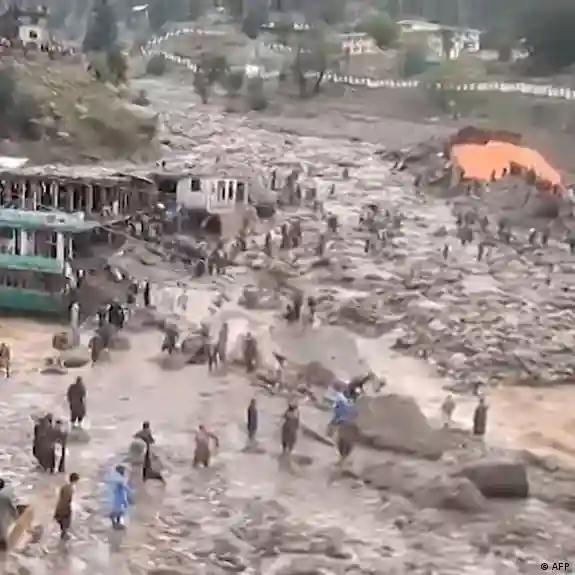
At least 20 people have died and more than 100 remain missing after devastating flash floods triggered by torrential rains swept through eastern Afghanistan on Monday. The worst-hit area is Parun, the capital of Nuristan province, where homes, shops and government buildings were left in ruins.
Highlights
- At least 20 people have been confirmed dead.
- More than 100 people are still missing.
- Over 80 residents were injured in the floods.
- Parun municipality was reportedly completely destroyed.
- Heavy rain and flooding are expected to continue in several provinces through Wednesday.
Main Story
Parun Bears the Brunt
The Taliban government confirmed that flash floods caused by intense rainfall struck Nuristan province, with Parun city suffering the most severe damage.
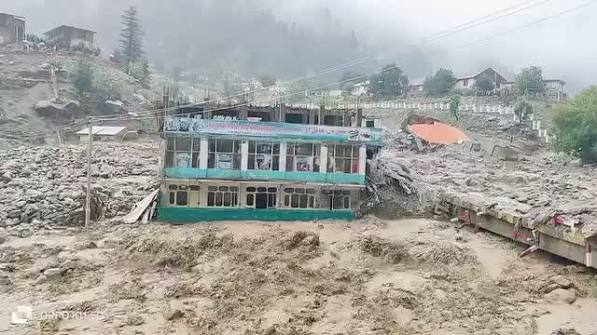
Officials said the city’s mayor is among those reported missing, while rescue efforts continue amid difficult conditions.
Footage shared on social media showed widespread destruction, with buildings reduced to rubble and floodwaters carrying debris through the streets.
Residents Search Through Debris
According to Ashiqullah Safi, head of the local NGO Shpoul, the floods “completely destroyed the municipality” of Parun.
Residents have been forced to search through debris without proper equipment, as large boulders and mud left by the floodwaters make rescue operations extremely challenging.
More Rain Expected
The Taliban’s meteorology department has warned that heavy rain and further flooding could affect 10 of Afghanistan’s 34 provinces through Wednesday.
Authorities have urged residents to stay away from riverbanks and flood-prone areas as the risk of additional disasters remains high.
Climate Change and Deforestation
Afghanistan is considered one of the countries most vulnerable to the effects of climate change, including extreme weather events such as floods, storms and droughts.
Experts and local media have linked the worsening flash floods in Nuristan to deforestation and illegal logging, which reduce the land’s ability to absorb heavy rainfall.
Nuristan, known for its lush forests, green mountains and clear rivers, was designated a national park in 2020.
A Nation Already in Crisis
The disaster adds to Afghanistan’s growing humanitarian challenges. The country, already struggling with poverty and decades of conflict, has faced repeated natural disasters in recent years.
In April, heavy rains and floods in northern Afghanistan killed at least 150 people, while the World Food Programme reported a death toll of more than 300.
As rescue teams race against time to find the missing, the tragedy in Nuristan serves as another stark reminder of the devastating human cost of extreme weather and environmental degradation.

