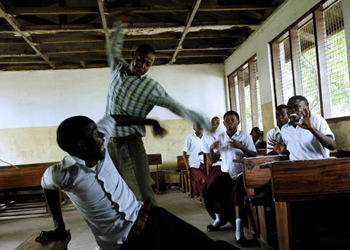
For decades, many Kenyan schools have relied on punishment ranging from caning to public shaming to enforce discipline. While it may produce short-term compliance, research shows that this approach can harm students’ emotional, social, and academic development. It’s time to rethink how discipline is handled in Kenyan classrooms.
Highlights:
- Punishment fosters fear, not respect or understanding.
- It negatively affects students’ mental health and confidence.
- Over-reliance on punishment can increase dropout rates.
- Punitive discipline discourages creativity and critical thinking.
- Positive, guidance-based approaches yield better long-term results.
Main Story:
Punishment may temporarily stop unwanted behavior, but it often instills fear rather than understanding. Students may obey rules to avoid pain or humiliation, not because they understand the importance of good behavior. Fear-based learning undermines trust between teachers and students.

Corporal punishment and public shaming can trigger anxiety, depression, and low self-confidence. Students who are constantly punished may struggle with self-worth, which affects participation, learning, and social interactions.
Exposure to physical or harsh discipline can normalize aggression. Students may imitate punitive behavior in their relationships, perpetuating cycles of violence both inside and outside school.
When students associate school with punishment, learning becomes a chore rather than a pursuit of knowledge. Creativity, curiosity, and problem-solving are often stifled in environments where fear dominates.
Students who feel consistently punished or humiliated are more likely to disengage or drop out. Kenya’s education system loses potential talent when students abandon school due to harsh disciplinary methods.
Punitive methods create distance and distrust. Positive discipline builds respect, open communication, and collaboration, all of which enhance learning outcomes.
Students disciplined through punishment may struggle with conflict resolution, empathy, and self-regulation as adults. Positive guidance equips learners with essential life skills that extend beyond the classroom.
Better Alternatives:
- Counseling and mentorship programs
- Rewarding positive behavior and effort
- Restorative practices that encourage accountability
- Peer mediation and conflict resolution initiatives
Discipline should guide, not punish. When schools nurture respect, empathy, and self-control, students thrive not just academically, but as responsible, confident citizens.

