
Periods are often treated as a monthly nuisance, but they can actually reveal a lot about your health. From the color and texture of your menstrual blood to changes in flow, your cycle can offer clues about hormonal balance, nutrition, stress levels, and even potential medical conditions. Understanding what your body is communicating can help you stay ahead of health issues before they become serious.
Highlights:
Menstrual blood color can indicate hormone balance or health issues
Flow consistency and clots offer insight into reproductive health
Sudden changes may signal stress, diet shifts, or medical conditions
Tracking your period can help detect problems early
Paying attention empowers informed health decisions
Main Story:
Menstrual Blood: A Window Into Your Health
Your period isn’t just a routine event it’s a monthly snapshot of your body’s inner workings. Every cycle reflects the delicate balance of hormones and reproductive health, and subtle changes can carry important signals.
Medical experts say that noticing patterns in your menstrual blood can provide valuable information that goes far beyond whether your period is “on time.”
Color Matters
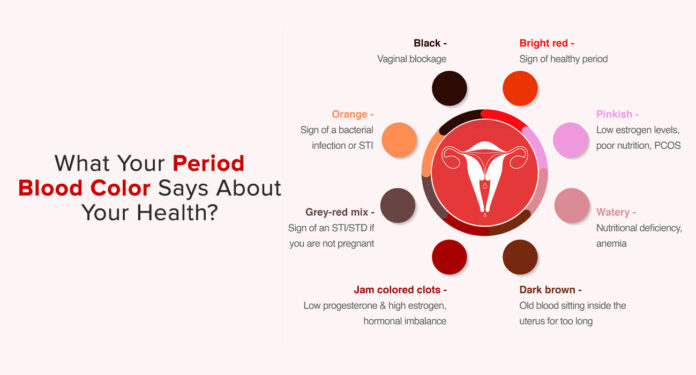
The shade of your menstrual blood can tell you a lot:
Bright red: Typically normal and indicates fresh, healthy blood flow. Usually seen at the start of your period.
Dark red or brown: Common toward the end of your period; represents older blood leaving the body.
Pinkish: Could suggest lower estrogen levels, sometimes influenced by stress, diet, or exercise.
Orange or unusual shades: May indicate infection, especially if accompanied by discomfort or odor.
While occasional variations are normal, consistent unusual colors should not be ignored.
Flow and Clots: Signs to Watch
Noticing clots or changes in flow is also important. Small clots on heavy days are usually normal, but large or frequent clots could signal conditions like Uterine Fibroids or hormonal imbalances.
Similarly, extremely heavy or prolonged periods that affect daily life deserve attention from a healthcare provider. Sudden changes in flow or clotting patterns can sometimes point to underlying issues, including Polycystic Ovary Syndrome or thyroid problems.
The Role of Lifestyle and Stress
Your menstrual cycle doesn’t exist in isolation lifestyle, diet, exercise, and stress levels all influence it. Intense physical activity, sudden weight changes, or chronic stress can lead to lighter, irregular, or delayed periods. Nutritional deficiencies, particularly iron and vitamin B12, can affect blood color and energy levels during menstruation. By observing these changes in context with your lifestyle, you can gain a clearer picture of how everyday habits impact your reproductive health.
Why Tracking Your Cycle Helps
Keeping track of your period is a simple way to stay in tune with your body. Apps, journals, or even mental notes can help you identify what’s normal and spot changes early. This proactive approach makes it easier to address problems before they escalate.
Breaking the Silence Around Menstrual Health
More young women are embracing open conversations about periods, empowering themselves to make informed health decisions. Understanding the messages your menstrual blood carries transforms your period from a nuisance into a tool for wellness.

